
Is Your Emergency Fund Adequate? 5 Key Warning Signs
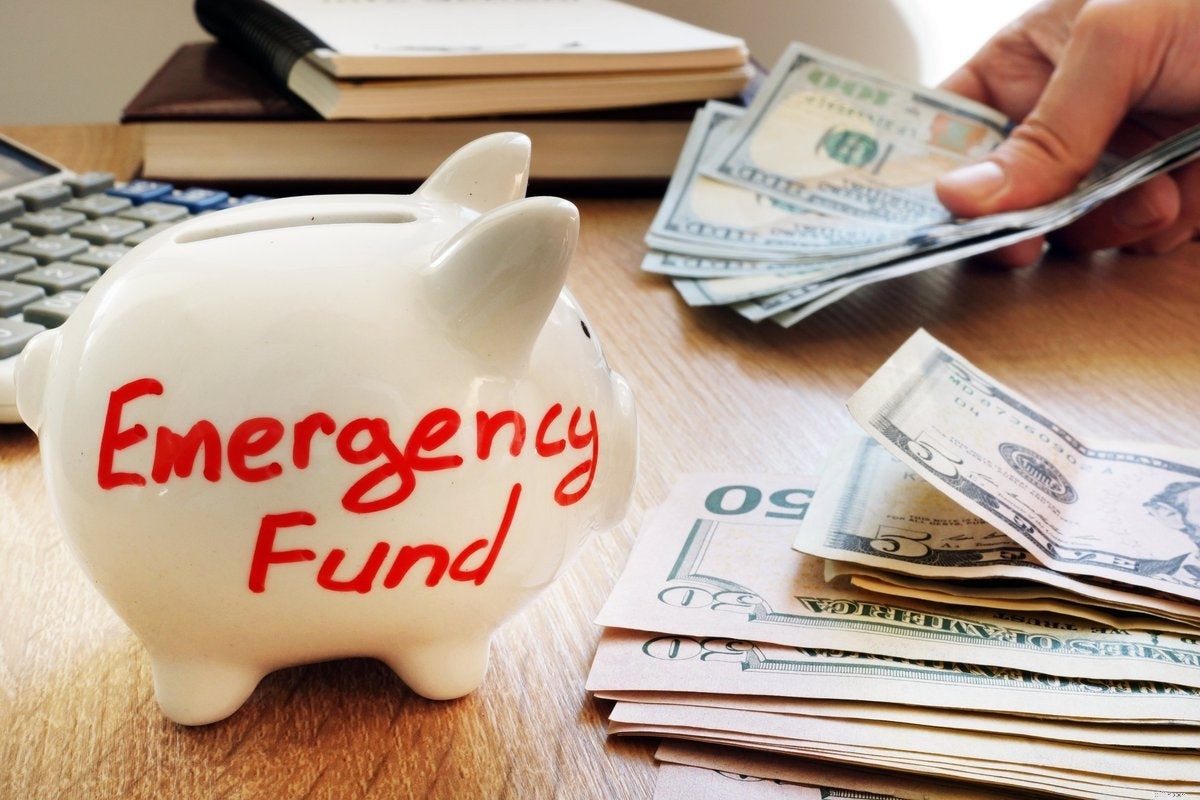
Is your emergency fund big enough? If not, you could be in trouble. Here are five signs you need more cash available.Image source: Getty Images.
Most financial experts recommend saving up an emergency fund with three to six months of living expenses. But that's a wide range; for a typical American, it's a difference of several thousand dollars.
Deciding exactly how big your emergency fund should be can be a challenge (though we make it easier with this emergency fund calculator). These five signs suggest you should err on the side of saving more money, rather than less.
1. You find yourself going into debt often for unexpected expenses
If you find yourself routinely reaching for credit cards because you face tons of unexpected expenses, you need a bigger emergency fund.
Emergency funds are designed to prevent you from going into debt by making sure you have the money available to cover surprise costs that creep up. Some people are more prone to financial emergencies than most. If you're one of them, you'll need to have a bigger pool of cash to draw from to cover them.
2. Your job is precarious
Emergency funds aren't just intended to help you cover unexpected costs for repairs or surprise bills. They can also help you avoid catastrophic financial losses in the event you no longer have a paycheck coming in.
Having a large emergency fund means you can still pay the mortgage or rent if you lose your job. It also means you won't have to charge expenses during periods of unemployment, which can leave you deep in the hole when you return to work.
The more likely it is that you'll have to go without a paycheck for a while, the more imperative it is that you have a big emergency fund to see you through the tough times.
3. It would take you a long time to find another job
In some lines of work, finding a new job can take a very long time. This may be the case if your skills are highly specialized or if there's a limited number of jobs in your area.
The longer you're likely to go without work in the event of a job loss, the bigger your emergency fund needs to be to see you through your time of unemployment.
Plus, if you may have to move to find a new job, your emergency savings can provide you with the funds you need to cover the considerable costs of relocating.
4. You have serious medical issues
Medical problems can leave you with massive bills and can also affect your ability to earn income. Here in the U.S., an emergency operation could cost you tens of thousands of dollars if you're uninsured (and sometimes even if you are insured).
A big emergency fund can help you to cover healthcare costs when you get sick and also ensure you can support yourself if you have to take time off while you recover.
5. You're the sole breadwinner in your family
If you live in a two-income household, then the loss of one income may not be a catastrophe, because you'll still have money coming in. However, if you're the only one bringing in a paycheck, you experience a 100% loss in household income if you lose your job or need to stop working for medical reasons.
Having a larger emergency fund gives your family more time to get back on its feet without worrying about paying the bills while no money is coming in.
Erring on the side of caution is always a good thing
You don't want to have a ridiculous amount of money in an emergency fund, because emergency savings won't generate much interest for you, given that they need to be stashed somewhere easily accessible such as a savings account. That said, it's usually best to err on the side of caution and save more money rather than less -- especially if you're more likely than the average person to need some a financial crash pad.
The important thing is to make sure your emergency fund provides the financial security you need to make it through tough times. Having a little extra financial security is never a bad thing.
-

Emergency Fund Investing: Safe & Liquid Options
There are many ways that you can invest your emergency fund. It is important that you choose the proper method, based on your personal and financial situations and goals. Make It Liquid Above al
-

Debunking Emergency Fund Myths: What You Need to Know
div.cust
banking
- Retirement Emergency Fund: Why It's Still Essential
- Build Financial Security: 4 Compelling Reasons for an Emergency Fund
- How Much Emergency Fund Do You Really Need? (And When to Increase It)
- Emergency Fund: Why You Need One & How to Build It
- How Much Emergency Fund Do You *Really* Need? (And Why)
- Emergency Fund for Retirees: Why & How Much You Need
- Emergency Fund Size: Is More Needed During Economic Uncertainty?
- Emergency Fund Size: Should You Increase Yours in 2021?
- Is Your Emergency Fund Adequate? 3 Warning Signs You Need to Increase It
-
Emergency Fund Usage: When & How to Access Your Savings
One of the fundamentals of personal finance is the idea that you should have an emergency fund. Starting an emergency fund is often emphasized, but we don’t talk as much about when you should ...
-
 Avoid Costly Mistakes: 4 Common Emergency Fund Errors
How many of them are you making right now? ...