
How Much Emergency Fund Do You Really Need? (And When to Increase It)
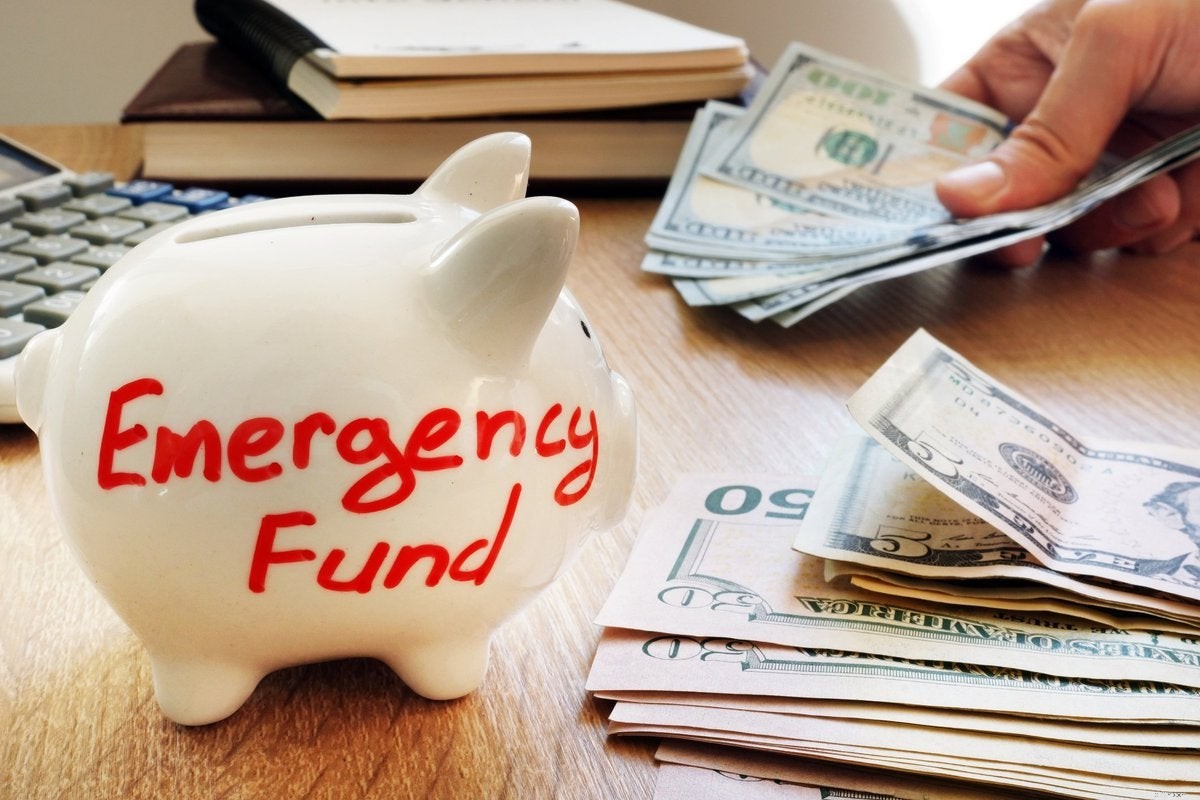
Here's when it could pay to sock more money away in the bank.
Since I started working, I've consistently added money to my savings account. And at this point, I have enough in my emergency fund to cover about a year's worth of bills.
Now, you may think, "Whoa, that's a lot of money to have sitting in the bank." And that's true. A common guideline for emergency savings is having three to six months' worth of living expenses. But I have reasons for aiming for more. Not only is my income variable, but as someone who's self-employed, I'm generally not entitled to unemployment benefits if work dries up, and so I need that extra protection.
And that's not the only reason to have a larger emergency fund. If any of these situations apply to you, you may want to boost your savings as well.
1. You own a home
When you own a home, all it takes is a string of bad luck to leave you on the hook for costly repairs. It's a good idea to have a robust emergency fund as a homeowner. You never know when several key appliances might break in short order, or when your heating system might go kaput in the middle of winter. If those things happen, you don't want the stress of wondering how you'll pay for them.
2. You have kids
Children have a way of costing more money than you expect, whether because they constantly outgrow their clothes, get interested in new (expensive) activities, or simply require childcare until they're old enough to look after themselves. I recommend boosting an emergency fund once kids come into the mix, because you never know what expenses they might bring.
3. You have pets
In the past month, I've plunked down about $2,500 on tests for my fairly young dog who has joint problems. Medical care for pets can be extremely expensive, and you never know when an issue might pop up. My dog is only four, and I know people whose dogs have needed surgery at a younger age than that. If you take on the responsibility of caring for a pet, pad your savings so that doesn't end up driving you into debt.
4. You have a health condition
If you have health issues with the potential to keep you out of work, it's imperative that you establish a stronger-than-average emergency fund. While disability insurance may help depending on the nature of your work and your ailment, that generally doesn't replace your paycheck in full. A stronger emergency fund can serve as your backup plan.
Since most of these situations apply to me and I'm self-employed with a variable income, I've boosted my emergency savings. That has given me a lot of peace of mind. If you want to sleep better at night, think about increasing your own savings balance. It never hurts to have a little extra protection, and having that money on hand could spell the difference between coasting through your next financial hiccup or landing in debt.
-
Emergency Fund Size: Calculate Your Ideal Savings Amount
Experts typically recommend you have enough in your emergency fund to cover three to six months’ worth of expenses. Your emergency savings should be enough to provide breathing room in your fi
-

Protect Your Savings: 3 Essential Steps for Financial Security
Dont let your savings fall by the wayside.
Personal finance
- Emergency Fund Size: How Much Do You Really Need?
- Build Financial Security: 4 Compelling Reasons for an Emergency Fund
- Is It Time to Quit Your Job? 5 Signs It's Time for a Change
- 5 Essential Emergency Expenses to Plan For
- Emergency Fund Size: Suze Orman's Recommended Amount & Best Practices
- Is Your Emergency Fund Adequate? 5 Key Warning Signs
- Emergency Fund for Retirees: Why & How Much You Need
- Emergency Fund Size: Is More Needed During Economic Uncertainty?
- Emergency Fund Size: Should You Increase Yours in 2021?
-
 Protect Your Financial Security: 3 Mistakes to Avoid with Your Emergency Fund
President Biden extends student loan payment pause Credible economic analyst Dan Roccato on the impact of President Biden extending the student loan repayment pause. No matter your age, income level, ...
-
 Emergency Savings for Retirees: How Much Do You Need?
Many or all of the products here are from our partners that pay us a commission. It’s how we make money. But our editorial integrity ensures our experts’ opi...