
Emergency Fund First: Why It's Crucial Before Investing
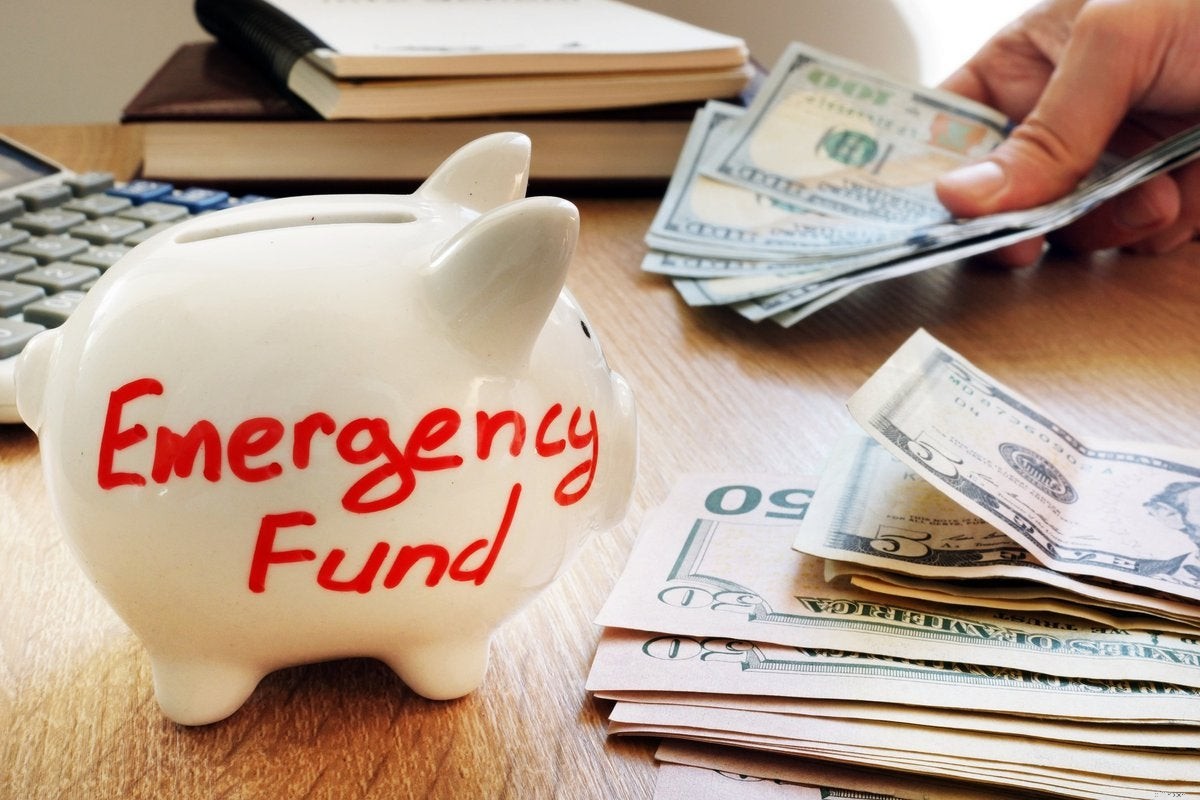
You could be left with a lot of regrets if you haven't saved for emergencies before you put your money at risk.
Investing in the stock market can be really exciting.
Over time, building a diversified portfolio of long-term investments has proven to be one of the single best ways to build wealth. And today, investing is more accessible than ever thanks to the fact that most online brokers have eliminated commissions. Many have also enabled fractional share purchases so you can buy partial shares if you can't afford full ones.
Because investing can put your money to work earning even more money for you, it's understandable that you may be really eager to get your cash into the market. But before you get started investing, you absolutely should make sure to have an emergency fund in place first.
Here's why.
It's safer to withdraw from an emergency fund than your investments
If you don't have money set aside for surprise costs, you could easily be forced to pull money out of the market. That's because emergencies will happen, and you may not always be able (or willing) to borrow money to cope with them.
That could be a big problem if you've put all your spare cash into the stock market. You might then be forced to sell some of your investments. And while investing should hopefully pay off over the long term, the stock market doesn't just go up every single day. It moves in cycles, and there could be market downturns or crashes.
If you put money into the market with no emergency fund and something goes wrong in your life, that catastrophe could easily happen when your investments are way down. Instead of being able to wait until the market had recovered, you would be forced to sell those investments at a loss.
There are also complications related to investing and taxes. If you've invested in a tax-advantaged retirement account, such as a 401(k) or IRA account, you could also face additional consequences besides being forced to sell when your stocks are down. If you need to pull your money out because you're faced with an unplanned emergency, you could be hit with a 10% early withdrawal penalty. You would also have to pay taxes on withdrawn funds at your ordinary income tax rate.
You can't afford to take a chance on suffering huge losses because an emergency strikes at a bad time, forcing you to sell your stocks when it doesn't make good sense to do so.
An emergency fund that's large enough to cover several months of living expenses will help you to avoid this fate. It will ensure that when you're ready to invest, you'll be doing so with money you can actually afford to put on the line.
So if you're excited about investing, get serious about building an emergency fund first. Slash your budget, consider working some extra hours, save your tax refund, and do whatever you can to put money away for surprise expenses.
The sooner you get your emergency savings account to the level you need, the sooner you can start putting your money in the market and making it work for you.


banking
- Investing 101: Essential Basics for New Investors
- Build Financial Security: The Essential Guide to Emergency Funds
- Emergency Fund Strategies: Balancing Security and Growth
- Navigating Election Volatility: Smart Investment Strategies for the Indian Stock Market
- Emergency Fund: Why You Need One & How to Build It
- Build an Emergency Fund Before Investing: A Crucial First Step
- Is Your Emergency Fund Adequate? 5 Key Warning Signs
- Emergency Fund Size: Should You Increase Yours in 2021?
- The Urgent Case for Starting to Invest Today
-
 Is Your Emergency Fund Adequate? 3 Warning Signs You Need to Increase It
Is your emergency fund too small? If any of these signs apply to you, it might be. ...
-
 Maximize Your Savings: The Benefits of Multiple Savings Accounts
Having multiple savings accounts helps me stay on track for different goals. ...