
Savings Account Interest Rates in 2022: What to Expect

They might -- but don't get too excited just yet.
The upside of keeping money in a savings account is getting to protect your principal deposit while earning interest on that cash. But in recent years, the amount of interest savers have earned has been minimal.
As of this writing, even popular high-yield savings accounts are paying somewhere in the ballpark of 0.40% to 0.60% interest. For a $10,000 deposit, that's $40 to $60 a year in interest.
In the coming months, we could see interest rates rise in savings accounts for one specific reason. But whether they'll increase substantially is a very different story.
Don't expect much growth in your savings account
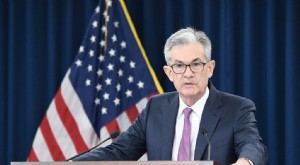
The Federal Reserve is planning to raise interest rates in 2022, and that could lead to higher savings account rates. Now to be clear, the Fed is not in charge of determining what banks pay consumers who keep their money there. The Fed doesn't actually set any consumer interest rates, and that extends to mortgage rates, credit card interest rates, and so forth.
However, the Fed's actions tend to influence consumer interest rates, so later this year, we could see various rates climb. That's not a good thing in the context of borrowing. Home buyers, for example, would rather see lower mortgage rates than higher ones, while credit card holders would rather pay less interest on their balances. But for savers who keep money in the bank, higher interest rates are a good thing.
That said, consumers should not expect interest rates to soar in the course of the year. They may creep upward toward the 1% mark, but it's doubtful they'll rise in a meaningful way anytime soon. That's why it's important not to keep too much money in the bank.
Don't overfund your savings
As a general rule, it's a smart idea to keep enough money in your savings account to cover three to six months of essential living expenses. That way, if you lose your job, you'll have cash reserves to tap while you look for work. That money might also come in handy if you encounter a large unplanned bill your paycheck can't cover, like a home or car repair.
But once you've managed to sock away six months' worth of essential expenses, you should consider putting the rest of your money into a brokerage account and investing it. These days, savings accounts are paying less than 1% interest. But if you invest your money, you might earn a much higher return if the market does well and you choose the right assets to buy.
Of course, there's a risk in investing -- that your portfolio won't do well and you'll lose money. That's why a brokerage account is definitely the wrong place for your emergency fund. You want to be able to tap that emergency fund in a pinch, which means you don't want to risk a scenario where you're cashing out investments when they're down.
But because savings accounts don't pay all that generously, you should limit the amount of money you keep in one. While savers might end up enjoying slightly higher interest rates in the course of 2022, there's a good chance they still won't be much to write home about, even toward the end of the year.

banking
- Savings Account Interest & Taxes: What You Need to Know
- Maximize Savings: 5 Strategies for Higher Returns in Low-Interest Environments
- High-Yield Savings Account Interest Rates: What to Expect in 2021
- CDs vs. Savings Accounts: Which Offers Higher Interest in 2024?
- Simplify Finances: The Benefits of Consolidating Bank Accounts
- Understanding Low Savings Account Interest Rates: Reasons & What to Expect
- Savings Account Interest Rates: What to Expect in 2022
- CD Rates in 2022: What to Expect & Where to Park Your Money
- Top Savings Accounts of 2022: High Yield & Low Fees
-
 Best Savings Accounts & High-Yield Options in 2024
Rates are low, but there are still some accounts that get you a return on your savings....
-
 Maximize Savings: Strategies for Low and Falling Interest Rates
Wondering what to do when interest rates are low? You’ve come to the right article. Riding the waves of a changing interest rate can feel a little rocky, and trying to save money when interest ...