
Major Banks Reduce Overdraft Fees: What Consumers Need to Know

That's good news for consumers.
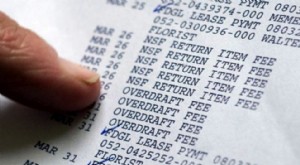
It's not uncommon for consumers to spend down their entire checking account balance and end up in a situation where they don't have enough money to cover a given transaction. When that happens, banks will often allow those transactions to go through, but at a cost.
It's a cost known as overdraft fees, and they can really hurt consumers who are low on funds to begin with. Banks have long justified the practice of charging overdraft fees by claiming the ability to spend more than what they have gives them added flexibility. It's similar to the way credit card companies charge interest on balances that are carried forward. In exchange for that leeway, cardholders pay up.
But more recently, big banks have been rethinking the practice of imposing overdraft fees. And now, two major players are cutting theirs.
Consumers get a break
Bank of America recently announced it will be reducing its overdraft fee from $35 to $10 starting in May. It will also get rid of its overdraft protection fee -- the fee customers are charged for moving money from a linked account to cover an overdraft.
Wells Fargo is going a similar route. It will also eliminate its overdraft protection fee and grant customers a 24-hour grace period to cover an overdraft before imposing a charge for it.
These changes are coming on the heels of an announcement by the Consumer Financial Protection Bureau (CFPB), which has plans to crack down on banks that make a lot of money on overdraft fees. The agency also advises consumers to be vigilant about avoiding those fees to the greatest extent possible.
How to steer clear of overdraft fees
If you want to avoid getting hit with overdraft fees, your best bet may be to find a bank that doesn't charge them. Ally Bank, for example, got rid of those fees in 2021.
Another good bet? Don't overdraw your account. Check your balance before engaging in transactions to avoid a scenario where you don't have the money to cover a purchase or payment.
Finally, aim to have some money on hand in your savings account. That way, if you run into a financial crunch, you'll have the option to move some cash from your savings to your checking account to cover bills if the latter account runs out of funds. If you hold your savings and checking accounts at the same bank, your funds transfer will usually go through quickly.
While it's a good thing to see two major banks reduce their overdraft fees, not every bank is going this route -- even in light of the CFPB's stance on the matter. And so it's important to be proactive about steering clear of them.
But overdraft fees aren't the only fees banks charge. You may also be liable for fees for things like having too low an account balance, so it's important to look into your bank's practices -- and consider making a switch if you're being charged excessively.


banking
- 401(k) Fees: How They Impact Your Retirement Savings
- Understanding Key Risks Facing Banks: A Comprehensive Overview
- Hidden Banking Fees: Are You Being Overcharged?
- Banking on a Sustainable Future: How Financial Institutions Combat Climate Change
- Avoid Overdraft Fees: 3 Proven Strategies to Save Money
- Understanding Overdraft Fees: How They Work & How to Avoid Them
- Overdraft Protection: Understanding Fees & Alternatives
- Understanding Bank Fees: Why Are They Charged?
- Understanding Bank Fees: How They Impact Your Savings
-
 American Banks Embrace Crypto: A New Era of Collaboration
This might bring a new boom to the cryptocurrency market. The cryptocurrency market is rapidly attracting more investors and American Bankers Association has decided to partner with cryptocurrency fir...
-
 Top Checking Accounts: Avoid Overdraft Fees & Save Money
When you’re low on funds and overdraw from your bank account, it can really feel like a kick in the teeth because you’re already tight on cash and then have to pay an extra fine. Of course, from the b...