Top 8 Prepaid Debit Cards of 2024: Features & Benefits
You can use a prepaid debit card just as you would any other debit card, except that you preload it with cash instead of it being connected to your checking account.
Prepaid debit cards come with several benefits that those with bank accounts and those without may wish to take advantage of. A prepaid card helps you stay on a budget because you can’t use it to make a larger purchase than your current balance.
If you don’t have a bank account for whatever reason, you don’t have to worry about carrying cash around and can also shop or pay bills with it online. However, some prepaid debit cards come with different restrictions and fees, so it’s wise to explore all of your options before selecting which one you’d like to get.
The 8 Best Prepaid Debit Cards
Best Alternative to a Prepaid Debit Card
How We Chose the Best Prepaid Debit Cards
We looked at over 40 of the most popular prepaid debit cards offered by banks, credit unions, and other financial institutions. Our list of the best prepaid debit cards is based on several factors such as fees, ease of use, ease of reloading, and features and benefits. The prepaid cards that made the list had the best mix of these factors.
Frequently Asked Questions
What is the best prepaid debit card?
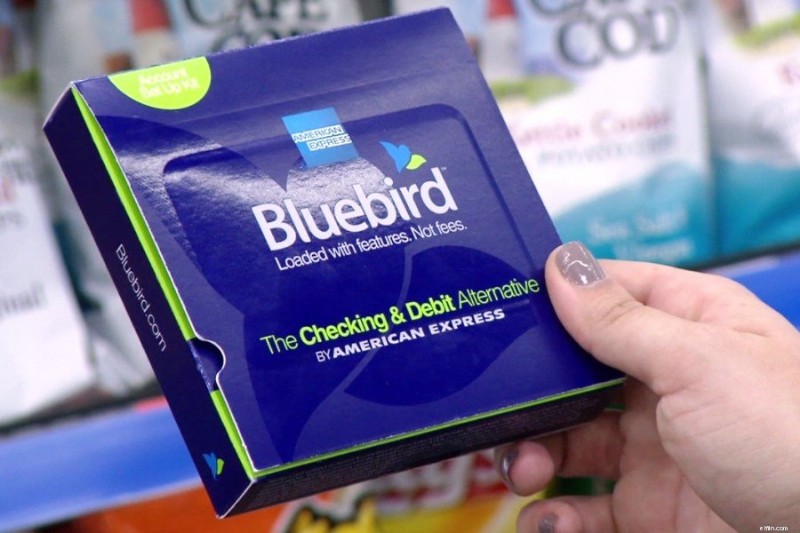
Finding the best prepaid debit card depends on your needs. If you’re looking for a prepaid card that replaces a bank account, try NetSpend. Bluebird by American Express is the best prepaid debit card for international use as the foreign transaction fee is $0. However, if you’re looking for a prepaid debit card for a child or teenager, go with FamZoo.
As you can see, the best prepaid card truly depends on what you want to use it for.
What are prepaid debit cards used for?
You can use a prepaid debit card online or at retail shops just as you would with a traditional debit card linked to a checking or savings account. Major brands like Visa or MasterCard issue prepaid cards so you can use the card anywhere credit cards are accepted.
This includes physical retailers as well as online stores. If you don’t qualify for a bank account and have issues shopping online because you don’t have a debit or credit card, then a prepaid debit card is a highly accessible option. Prepaid debit card issuers don’t check your banking history when you apply.
What is the difference between a debit card and a prepaid debit card?
The most significant difference is that you don’t need a bank account for a prepaid debit card. Debit cards typically require a checking or savings account with a financial institution like a bank or credit union. Many people, however, can’t qualify for a checking account. If that’s the case, you can purchase a prepaid card that you can use in almost the same manner.
Instead of depositing funds into your bank account, you load funds directly onto the prepaid card. The exact process depends on the card you choose. Often, you can set up direct deposit, add funds online or through your phone, or add cash in person at a participating retailer.
Another difference is that while checking accounts and debit cards from your bank are FDIC-insured, most prepaid cards are not. So if the company goes out of business while you have funds on your card, you may not see that money.
Who should use prepaid debit cards?
Depending on your credit history and current situation, a prepaid debit card may not be the best choice for you. They come with more fees and restrictions than traditional debit cards. And prepaid debit cards won’t help you build credit.
Prepaid debit cards are a good option for anyone unable to open a checking account due to a history of overdrawing their account. It’s also a good idea for anyone who wants to avoid the possibility of bank overdraft fees.
Prepaid cards are also a good option for parents that want to give their children limited access to funds. A prepaid card allows kids to make purchases, but they can’t spend beyond a certain amount.
Do prepaid debit cards come with fees?
Yes, prepaid cards tend to have higher fees than debit cards linked to your checking account. Here are some of the biggest fees you’ll want to watch out for:
- Monthly fees: A monthly fee is exactly what it sounds like; it’s a fee you pay every month, whether you use the card or not.
- Transaction fees: Most prepaid debit cards charge a fee for each transaction. This means you only pay for the transactions you complete, but these fees can add up quickly.
- Inactivity fees: Some prepaid cards, like the H&R Block Emerald Card, charge an inactivity fee. This is a fee you pay if you go for a certain length of time without using the card.
- Cancellation fees: Some vendors will charge a fee if you cancel your card before it expires.
- Reloading fees: If you reload your card at a reload location, you may have to pay a small fee. This fee can usually be avoided by signing up for direct deposit.
Can you use a prepaid debit card at an ATM?
The best prepaid debit cards have access to free nationwide ATM networks or branded bank networks for cards issued by banks. Make sure to check your prepaid card for participating ATMs.
There are two things to remember when making ATM withdrawals. First, check on the ATM fees from both your card issuer and the ATM you’re visiting. Also, check your prepaid card agreement to determine if there’s a daily limit on how much money you can withdraw each day.
Can I transfer money from a prepaid card to my bank account?
In most cases, you can’t transfer money from your prepaid card to your bank account. You would need to first cash out the funds and then make a separate deposit into your account. However, all card companies are different, so you can double-check this detail in the user agreements of available options to see if one may offer this service.
Do prepaid cards require a social security number?
No, and that’s one of the reasons many people prefer a prepaid debit card. As long as you have the cash to load funds on your card, you can qualify. So, you don’t have to worry about any impact on your credit score, your history with banks, or your residency status. Prepaid cards offer many benefits to all types of people looking for a better way to pay than just cash.
-

Top High-Yield Savings Accounts of 2024 | Compare Rates
Saving money is great, but earning interest on that cash is even better. While historically low interest rates are great when you need a loan, they don’t help much when you want to put your money to w
-

Comenity Bank Credit Cards: Options & Store Cards for 2024
Comenity Bank is a major credit card company that offers credit cards through national retail chains to consumers around the country. In fact, the 30-year-old credit card issuer has more than 50 mi
banking
- Top Prepaid Debit Cards: Low Fees & Rewards - 2024 Guide
- Top Debit Cards for Kids & Teens: Build Financial Literacy
- Top Credit Cards for Grocery Shopping - 2024
- Top Credit Cards for Study Abroad in 2024 - Travel Rewards & Benefits
- Prepaid Credit Cards: Benefits, How They Work & Are They Right for You?
- Top Travel Credit Cards with Insurance for 2024
- Top Secured Credit Cards for Building Credit in 2022
- Netspend Prepaid Cards: Compare & Find the Best for You
- Top Credit Cards for Millennials: Rewards & Bonuses (2024)