
Credit Score & Credit Card Approval: What You Need to Know
If you’re looking to be approved for a credit card, you’ll need to meet all of the card issuer’s minimum criteria for creditworthiness and income:
- Established credit — timely payments on credit accounts for two or more years.
- A stable income.
- A credit score that meets the bank’s minimum criteria.
The less debt you have and the longer you’ve been making timely payments on your existing credit accounts, the more likely it is you will be approved for cards with the lowest rates and best rewards.
What Credit Score Do You Need to Get Approved for a Credit Card?
| FICO score | Recommended credit cards |
|---|---|
| 750 or better (Excellent) | Chase Sapphire Preferred® Card |
| 700 to 749 (Good) | Chase Freedom Unlimited® |
| 600 to 699 (Average) | Capital One QuicksilverOne Cash Rewards Credit Card |
| Under 600 (Rebuilding) | Capital One Platinum Secured Credit Card |
You can also check your credit score with a service like myFICO score or get your score for free with any of these free credit monitoring services.
Once you know your credit score, you can avoid being declined when you shop for a new credit card by choosing a card for which you have an above-average chance of approval.
If you walk into a bank for a loan or apply for a credit card online, you have no idea what credit score is required to get approved. So if you know your score is 665 (and that’s about average), that doesn’t help you if the credit card you’re applying for requires a 670 credit score.
Most Credit Card Offers Require Very Good Credit
Let’s be clear about that. A lot of people who apply for credit cards are denied. And if you get denied too many times in a year, that can actually hurt your credit further.
Most so-called “prime” and “superprime” credit cards are only available to applicants with credit scores of 750 or better. These include most American Express, Chase, and Bank of America credit cards.
Even with good credit, there are other reasons you might still be declined, like too much overall debt or even just one recent late payment.
To help you avoid that, let’s look at what cards you can get with various credit scores. You can also browse our full list of the best credit cards. Each card features a minimum required credit quality category.
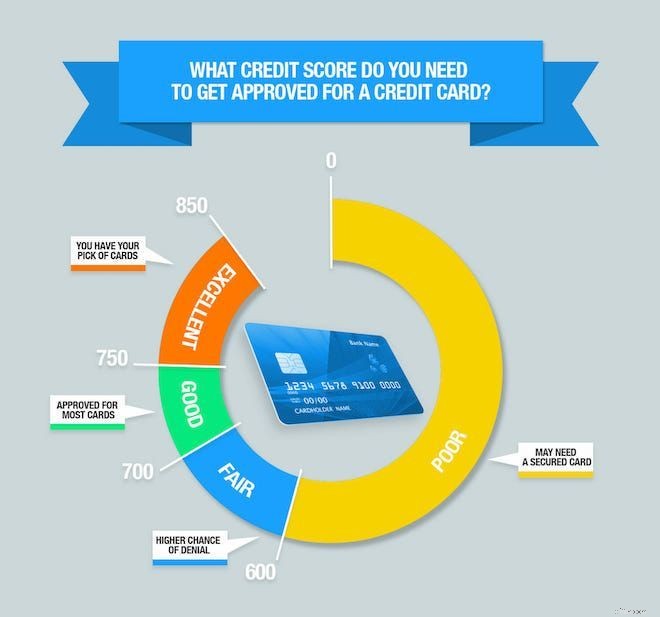
Excellent Credit: 750+
Reaching the excellent or superprime credit level often requires at least 10 years of on-time payments and a mix of credit accounts such as credit cards, student loans, and a mortgage.
Even if you’ve responsibly used credit for up to five years, you may still be declined for many cards simply because the banks want customers who have an even longer track record of timely payments.
If you’re in this range, you have your pick of any of the best credit cards out there, and you can take advantage of promotions in which the banks will actually pay you in cash back rewards or travel rewards for opening and using a new credit card.
Suggested Credit Card for Excellent Credit:
Chase Sapphire Preferred® Card
 Apply Now
On the Secure Website
Apply Now
On the Secure Website
In A Nutshell
The Chase Sapphire Preferred® Card sets the standard for travel rewards by offering an excellent 5x points on travel purchases through Chase Ultimate Rewards®, 3x points on dining and 2x points on all other travel purchases. And points are worth 25% more when you redeem travel through Chase Ultimate Rewards® – That means the killer 60,000 point sign-up bonus is worth $750 towards travel.
Read review Credit Score Requirements: Credit Score requirements are based on Money Under 30’s own research of approval rates; meeting the minimum score will give you the best chance to be approved for the credit card of your choice. If you don’t know your credit score, use our free credit score estimator tool to get a better idea of which cards you’ll qualify for. *Money Under 30 uses a FICO 8 score, which is one of many different types of credit scores. *A creditor may use a different score when deciding whether to approve you for credit. Poor 500-599 Fair 600-699 Good 700-749 Excellent 750-850What We Like:
-
A monster of an up-front bonus; 60,000 bonus points after spending $4,000 in the first three months.
-
5X points on travel purchased through Chase Ultimate Rewards®, 3X points on dining, 2X points on all other travel purchases, plus more.
-
Points are worth 25% more when you redeem travel through Chase Ultimate Rewards®
- Earn 60,000 bonus points after you spend $4,000 on purchases in the first 3 months from account opening. That's $750 when you redeem through Chase Ultimate Rewards®.
- Enjoy benefits such as a $50 annual Ultimate Rewards Hotel Credit, 5x on travel purchased through Chase Ultimate Rewards®, 3x on dining and 2x on all other travel purchases, plus more.
- Get 25% more value when you redeem for airfare, hotels, car rentals and cruises through Chase Ultimate Rewards®. For example, 60,000 points are worth $750 toward travel.
- With Pay Yourself Back℠, your points are worth 25% more during the current offer when you redeem them for statement credits against existing purchases in select, rotating categories
- Count on Trip Cancellation/Interruption Insurance, Auto Rental Collision Damage Waiver, Lost Luggage Insurance and more.
- Get complimentary access to DashPass which unlocks $0 delivery fees and lower service fees for a minimum of one year when you activate by December 31, 2024.
Apply Now >>
The Chase Sapphire Preferred® Card offers 5X points on travel purchased through Chase Ultimate Rewards®, 3X points on dining, 2X points on all other travel purchases, and 1 point on all other purchases.
Although there are no 0% intro APR offers with this card, the intro bonus rewards and on-going rewards still make this a worthy choice for your wallet.
Read our full Chase Sapphire Preferred® Card review.
Good Credit: 700–749
To have good credit, your credit scores need to be in the 700s. Scores in the high 600s are borderline “good.”
While our scale for “good” originally went as low as 680, you’ll have a much harder time getting approved for credit card offers the further below 700 your credit score is. Based on new data, we’ve increased the minimum level for “good credit” to 700. At this level of credit score, other factors — such as your income, debt levels, and recent payment history — will be big factors in the bank’s decision to approve you.
To get a credit score close to 700, you will need to have been using credit for at least three years without any late payments. You’ll have a good chance of credit card approval provided you aren’t overextended with too much debt or too many credit card accounts.
Suggested Credit Cards for Good Credit:
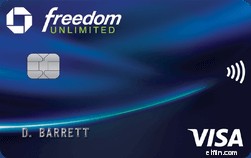
Chase Freedom Unlimited®
In A Nutshell
The Chase Freedom Unlimited® opens up with a terrific intro offer; earn an additional 1.5% cash back on everything you buy (on up to $20,000 spent in the first year) – worth up to $300 cash back! Tack on a 0% intro APR for 15 months on purchases and balance transfers (standard 17.24% – 25.99% Variable APR) add to that a strong everyday rewards program and it’s a terrific option for anyone looking to save a ton of money on everyday purchases.
Read review Apply Now On the Secure WebsiteIn A Nutshell
The Chase Freedom Unlimited® opens up with a terrific intro offer; earn an additional 1.5% cash back on everything you buy (on up to $20,000 spent in the first year) – worth up to $300 cash back! Tack on a 0% intro APR for 15 months on purchases and balance transfers (standard 17.24% – 25.99% Variable APR) add to that a strong everyday rewards program and it’s a terrific option for anyone looking to save a ton of money on everyday purchases.
Read review Credit Score Requirements: Credit Score requirements are based on Money Under 30’s own research of approval rates; meeting the minimum score will give you the best chance to be approved for the credit card of your choice. If you don’t know your credit score, use our free credit score estimator tool to get a better idea of which cards you’ll qualify for. *Money Under 30 uses a FICO 8 score, which is one of many different types of credit scores. *A creditor may use a different score when deciding whether to approve you for credit. ?- Good/
- Excellent
What We Like:
-
Intro Offer: Earn an additional 1.5% cash back on everything you buy (on up to $20,000 in the first year) – worth up to $300 cash back!
-
Unlimited 1.5% cash back on all other purchases.
-
0% intro APR on purchases and balance transfers for 15 months; then a variable APR of 17.24% – 25.99%.
Apply Now >>
The Chase Freedom Unlimited® comes with no shortage of enticing perks: no annual fee, the opportunity to earn an additional 1.5% cash back on purchases (up to $20,000 in the first year), 5% on travel booked through Chase Ultimate Rewards®, and 3% cash back on dining, including takeout and eligible delivery services.
You’ll also get an additional 3% cash back on drugstore purchases, and 1.5% cash back on all other purchases, plus 0% Intro APR on Purchases for 15 months and 0% intro APR on balance transfers for 15 months.
Read our full review of the Chase Freedom Unlimited®.
Chase Freedom Flex℠
 Apply Now
On the Secure Website
Apply Now
On the Secure Website
In A Nutshell
The Chase Freedom FlexSM offers an enticing $200 sign-up bonus after spending $500 in the first three months. Plus cash back rewards on travel, dining, drugstore and every day purchases with rewards that never expire. All for no annual fee!
Read review Credit Score Requirements: Credit Score requirements are based on Money Under 30’s own research of approval rates; meeting the minimum score will give you the best chance to be approved for the credit card of your choice. If you don’t know your credit score, use our free credit score estimator tool to get a better idea of which cards you’ll qualify for. *Money Under 30 uses a FICO 8 score, which is one of many different types of credit scores. *A creditor may use a different score when deciding whether to approve you for credit. Poor 500-599 Fair 600-699 Good 700-749 Excellent 750-850What We Like:
-
Awesome $200 cash back bonus after spending $500 on purchases in the first 3 months from account opening.
-
Earn 5% cash back on travel booked through Chase Ultimate Rewards® and on up to $1,500 in combined purchases in bonus categories each quarter you activate. Enjoy new 5% categories each quarter, plus earn 1% on all other purchases.
-
0% Intro APR on purchases and balance transfers for 15 months from account opening on purchases, then a variable APR of 17.24% – 25.99%.
- Earn a $200 Bonus after you spend $500 on purchases in your first 3 months from account opening.
- 5% cash back on up to $1,500 in combined purchases in bonus categories each quarter you activate. Enjoy new 5% categories each quarter!
- 5% cash back on travel purchased through Chase Ultimate Rewards®, our premier rewards program that lets you redeem rewards for cash back, travel, gift cards and more
- 3% cash back on drugstore purchases and dining at restaurants, including takeout and eligible delivery service, and unlimited 1% cash back on all other purchases.
- No minimum to redeem for cash back. You can choose to receive a statement credit or direct deposit into most U.S. checking and savings accounts. Cash Back rewards do not expire as long as your account is open!
- 0% Intro APR for 15 months from account opening on purchases and balance transfers, then a variable APR of 17.24% - 25.99%.
- No annual fee - You won't have to pay an annual fee for all the great features that come with your Freedom FlexSM card
- Keep tabs on your credit health - Chase Credit Journey helps you monitor your credit with free access to your latest score, real-time alerts, and more.
Apply Now >>
With the Chase Freedom Flex℠ cardholders earn 5% cash back on up to $1,500 in combined purchases in bonus categories each quarter that you activate. The categories will change every quarter.
This card also offers 5% back on travel booked through Chase Ultimate Rewards® and 3% cash back on dining and drugstore purchases.
Cardholders will also earn unlimited 1% cash back on all other purchases.
Read our full review of the Chase Freedom Flex℠.
Average Credit: 600–699
If you’ve just started to use credit or are recovering from a missed payment or two, you’ll probably have a lower credit score in the 600s.
This means you’ll have trouble getting approved for many of the credit cards you see most advertised, but don’t worry, there are still offers out there for you.
Not knowing this, you may try to apply for several cards and get declined which, in turn, will hurt your credit score even more. If you’re in this group, you’ll want to know which credit cards will offer you the best chance of approval and apply for those cards first. You may be able to get approved for some of the leading cards, but it’s iffy.
Pay attention to the minimum credit score range required. Choosing a card that matches your credit score is your best shot for approval.
- Best Credit Cards if Your FICO Score is Between 650 and 699
- Best Credit Cards if Your FICO Score Is Between 600 and 649
Suggested Credit Cards for Average Credit:
If you have OK but not great credit, Capital One should be your first stop for a new credit card. Capital One is a major card issuer that has some cards well-suited for consumers with average but not-quite excellent credit. Because they’re such a big bank, Capital One has lots of great cards and you may be able to upgrade your card as your credit improves.
Capital One Platinum Credit Card
In A Nutshell
Finding an unsecured credit card with average credit can be difficult, but the Capital One Platinum Credit Card is happy to have your business. You won’t find many perks to owning this credit card, but it’s a great first card for young people looking to build a strong credit history and there’s no annual fee.
Read review Apply Now On the Secure WebsiteIn A Nutshell
Finding an unsecured credit card with average credit can be difficult, but the Capital One Platinum Credit Card is happy to have your business. You won’t find many perks to owning this credit card, but it’s a great first card for young people looking to build a strong credit history and there’s no annual fee.
Read review Credit Score Requirements: Credit Score requirements are based on Money Under 30’s own research of approval rates; meeting the minimum score will give you the best chance to be approved for the credit card of your choice. If you don’t know your credit score, use our free credit score estimator tool to get a better idea of which cards you’ll qualify for. *Money Under 30 uses a FICO 8 score, which is one of many different types of credit scores. *A creditor may use a different score when deciding whether to approve you for credit. ?- Fair
What We Like:
-
Only average / fair / limited credit is required for approval
-
Be automatically considered for a higher credit line in as little as 6 months
-
No annual fee or foreign transaction fees
Apply Now >>
The no-fee Capital One Platinum Credit Card gives you access to a higher credit line after making your first six monthly payments on time. It’s designed to be a good first credit card or a good first new card as you get back on your feet from past credit problems.
Read our full Capital One Platinum Credit Card review.
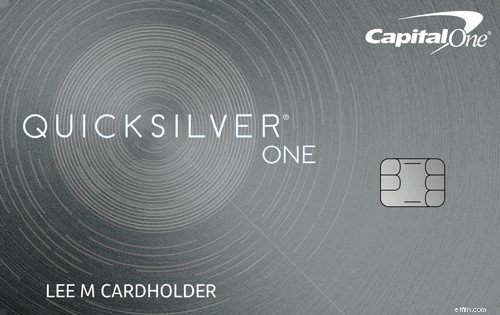
Capital One QuicksilverOne Cash Rewards Credit Card
In A Nutshell
If you don’t have the excellent credit needed to score some of the bonuses other Capital One credit cards offer, consider the Capital One QuicksilverOne Cash Rewards Credit Card. It’s a terrific card for average credit and you can still earn 1.5% cash back on all purchases with a modest $39 annual fee.
Read review Apply Now On the Secure WebsiteIn A Nutshell
If you don’t have the excellent credit needed to score some of the bonuses other Capital One credit cards offer, consider the Capital One QuicksilverOne Cash Rewards Credit Card. It’s a terrific card for average credit and you can still earn 1.5% cash back on all purchases with a modest $39 annual fee.
Read review Credit Score Requirements: Credit Score requirements are based on Money Under 30’s own research of approval rates; meeting the minimum score will give you the best chance to be approved for the credit card of your choice. If you don’t know your credit score, use our free credit score estimator tool to get a better idea of which cards you’ll qualify for. *Money Under 30 uses a FICO 8 score, which is one of many different types of credit scores. *A creditor may use a different score when deciding whether to approve you for credit. ?- Fair
What We Like:
-
1.5% cash back on all purchases.
-
Be automatically considered for a higher credit line in as little as six months.
-
No foreign transaction fees and a modest $39 annual fee.
Apply Now >>
Alternately, the Capital One QuicksilverOne Cash Rewards Credit Card offers unlimited 1.5% cash back on every purchase with a low annual fee.
Read our full Capital One QuicksilverOne Cash Rewards Credit Card Review.
Credit One Credit Cards
Credit One Bank is a lesser-known but rapidly growing issuer with credit cards especially for consumers with average or limited credit.
Compare Credit One credit cards.
Bad Credit: Under 600
If you’re in the last group and have bad credit because you’ve missed payments, had collection accounts, or a foreclosure, you need to take special steps to get approved for a credit card.
If you’re in this situation, you should only apply for a credit card in an effort to begin rebuilding credit (NOT to spend money you don’t have!). Usually, this means applying for a secured credit card.
A secured credit card requires a security deposit before you can begin making charges. That security deposit acts as your credit limit. Although that may sound like a debit card or prepaid card, the secured credit card will report your payment history to the credit bureaus, which debit and prepaid cards do not do.
After a year or so of using a secured card, you may be able to upgrade to an unsecured account and get your deposit back.
Suggested Credit Card for Bad Credit:
Capital One Platinum Secured Credit Card
In A Nutshell
If you are worried that you will not get approved for a conventional credit card or have been rejected in the past, the Capital One Platinum Secured is an excellent option. It’s rare to find one that doesn’t charge an annual fee and Capital One will automatically review your credit limit in as little as six months.
Read review Apply Now On the Secure WebsiteIn A Nutshell
If you are worried that you will not get approved for a conventional credit card or have been rejected in the past, the Capital One Platinum Secured is an excellent option. It’s rare to find one that doesn’t charge an annual fee and Capital One will automatically review your credit limit in as little as six months.
Read review Credit Score Requirements: Credit Score requirements are based on Money Under 30’s own research of approval rates; meeting the minimum score will give you the best chance to be approved for the credit card of your choice. If you don’t know your credit score, use our free credit score estimator tool to get a better idea of which cards you’ll qualify for. *Money Under 30 uses a FICO 8 score, which is one of many different types of credit scores. *A creditor may use a different score when deciding whether to approve you for credit. ?- Poor
What We Like:
-
Put down a refundable security deposit starting at $49 to get a $200 initial credit line.
-
Be automatically considered for a higher credit line in as little as six months with no additional deposit needed.
-
No annual fee and no foreign transaction fees.
Apply Now >>
How Does Your Credit Score Affect Your Credit Card Application?
Banks use your credit score to estimate their risk that you won’t pay back your credit card charges. The higher your credit score, the less risky and the higher your chance of getting approved for a credit card.
Banks also factor in your credit score when deciding how much of a credit limit to give you after you’re approved for a new credit card.
What’s the lesson? Know your credit score. (Remember, you can use our free credit score estimator above or there are lots of free credit monitoring services to check your score online.)
Keeping track of your credit score can alert you to problems in your credit report and show you how timely payments are paying off as your score goes up. You can also compare your score to national averages so you know how good a job you’re doing managing credit.
I’ve Got Good Credit — Why Was I Denied for a Credit Card?
Oftentimes you can still be denied for a credit card even though your credit score isn’t that bad. This is especially true if your credit score isn’t in the mid-700s or better.
What gives?
Banks’ approval criteria for each card changes all the time. But common reasons you may be denied a credit card, even if you have a good credit score, include:
- Too much debt (or high credit balances even if you pay them off).
- Too much available credit.
- Too short of a credit history.
- Recent late payments, charge-offs, or other negative items.
If your credit score is in the high 600s, you may still get approved for some of the leading card offers, but this is where you have to be careful. You’re more likely to be approved if you have a year or two of on-time payments and very little credit card debt. If your score is lower than 700 because you’ve missed payments or have a lot of revolving debt, your approval chances are lower.
Don’t apply for new credit if you have recent late payments or big balances on your existing credit cards. Even if you pay your cards in full each month, that big balance from the month you went on vacation could look like debt to a bank’s computers. The best time to apply for a new credit card is when:
- Your current card balances aren’t too high.
- You have not missed a payment in the last two years.
- You have not recently applied for other credit.
Summary
There is a credit card out there for every credit score, even poor credit. But before you apply for any credit card, make sure you read the fine print.
Read more:
- Best Rewards Credit Cards
- Best Credit Card Sign-Up Bonus Offers
-

Balance Transfer Credit Cards: A Comprehensive Guide
Zero. In many contexts, that sounds pretty great. Free stuff is what’s mostly associated with the number. That’s why it’s quite understandable that zero percent balance-transfer credit cards
-

Dell Financing Credit Score Requirements & Approval Tips
Are you thinking about applying for the Dell financing? The minimum recommended credit score for a Dell credit card is 640. How to Increase Your Chances of Getting Approved for Dell Preferred Accou
banking
- Amazon Credit Cards: Application & Approval Guide | Chase & Synchrony
- Credit Score & Credit Cards: What You Need to Know
- Shell Gas Card: Minimum Credit Score & Approval Requirements
- Understanding Credit Scores: What's the Best Score & Why It Matters?
- Walmart Credit Card: Minimum Credit Score & Approval Requirements
- Nissan Financing: What Credit Score Do You Need?
- Wells Fargo Credit Card Requirements: Minimum Credit Scores Explained
- Credit Cards for Low Income: A Comprehensive Guide
- Auto Loan Credit Score Requirements: What You Need to Know
-
 Understanding Credit: A Comprehensive Guide for Consumers
What is credit, how does credit work, and why is it important? When it comes to making big purchases like buying a home or financing a business, knowing and understandi...
-
 Authorized User Credit Card: How It Works & Benefits
When it comes to building and establishing credit, we all have to start somewhere. But when you are just beginning your credit journey, getting your foot in the door can be an upward battle. Luckily, ...