
Cash Back Credit Cards: A Complete Guide to Earning Rewards
If you’re like me, and the shopping list for the 2020 holiday season growing by the day, you may be wondering about those cash back credit cards that everybody seems to be talking about and you don’t seem to have.
Yup: shop with your credit card and get more cash in your account.
Sounds too good to be true, right?
A cash back credit card or rewards card can be a great asset, but it’s important to pick the right one. We’ve rounded up some of the facts on how cash back credit cards actually work.
What is a cash back credit card?
Cash back credit cards pay back a certain percentage of what you spend (similar to a rebate). The typical rate is between 1 and 2% for purchases.
If a card has a 1% cash back rate, for example, you’ll earn $0.01 for every dollar you spend and earn $10 for every $1,000 you spend.
They’re a popular type of rewards credit card. More than half of companies offering rewards credit cards will have a cash back option.
Different cards come with different benefits which we’ll cover below. A good card can help you cover expenses, build credit, or even grow your savings.
How do the cash back cards work?
Signing up
Before picking a card and starting the sign-up process, you should have a good idea of your spending habits. Cash back cards are often designed with certain types of spenders in mind. Some cards, for instance, give you cash back whenever you travel. Others reward you for purchases at specific stores. The card will work best for you if its reward structure fits a buying habit you already have.
Once you’re ready to get a card, only sign up for ones you think you’ll use consistently. Sending out multiple applications for cards may seem like a good idea, but it can hurt your credit score.
Speaking of credit scores, cash back cards typically come with a credit score requirement. Many cards require a high score.
Cards sometimes offer perks once you’re approved. A sign-on cash bonus is a common perk, but be sure to read the fine print. You may have to spend a specific amount within a certain time frame to earn the bonus. The Chase Freedom Flex℠, for example, gives a $200 cash back bonus—if you spend $500 in the first three months from account opening. If you weren’t planning to spend the amount otherwise, the bonuses can end up costing you more than you’d save!
Your best bet is to pick a card with a smaller sign-up bonus but a higher consistent percentage rate of cash-back rewards.
Annual Percentage Rate (APR)
One of the most important things to understand about a cash back credit card is how its Annual Percentage Rate or APR works.
This calculation will be similar to the interest rate on any other credit card. An APR is the yearly, or annual, rate of interest on your card. If you can pay your balance in full and on time each month, you won’t end up with interest charges—which is exactly what you should do.
Two things can raise your interest rate on a cash back credit card: A high APR on the card to begin with, and a habit of carrying a balance (not paying in full) every month. Depending on the balance and the APR, the interest can stack up so high it cancels out any cash rewards.
And cash back cards with the best rewards programs usually—but not always!—come with a higher-than-average APR. Cards may offer a low introductory APR when you sign up. After the intro rate expires the ongoing rate becomes something in the 15% – 25% range.
You’ll get the most out of a cash back credit card if you plan to keep your balance paid.
Fees
Many cards come with annual fees of between $50 to $100 per year just to maintain the card. The fee-heavy cards tend to offer larger cash rewards for purchases, though. To find out if the fee’s worth it, calculate how much you’re likely to spend and how much cash you’ll get back. The payback amount may be high enough to offset the fee (if you’re a regular at a grocery store and shopping for a family, for instance, you’ll spend plenty). Otherwise, look for a card with low or no annual fees.
Late payment fees might also stack up and cancel out your rewards. If your card comes with high late fees, be sure to keep payments up to date.
Another fee to watch out for is a foreign transaction fee. This one can be easy to miss. But it kicks in if you’re traveling abroad or shopping online at an international website. Look for cards with low or no foreign transaction fees if you think you’ll spend cash internationally.
Earning points
Moving on to the perks—how do you get cash back?
Most cards allow you to earn “points” which they’ll convert into your cash back amount. But the specifics of each card are different. Here’s what you should be aware of.
- Point caps. Cards will often have a limit or “cap” on how many points you can earn in a month, quarter, or year.
- Refunds and “cash value” perks. You may run into a card that operates like a cash back card, but offers refunds like gift cards as rewards instead. These cards are only a good deal if you think you’ll use the refunds.
- More cash back for certain purchases. Some cards, like the Capital One QuicksilverOne Cash Rewards Credit Card, give you the same rewards no matter what you buy. Others, like Chase Freedom Unlimited®, give you extra rewards in certain categories. For example, with Chase Freedom Unlimited®, you’ll earn cash back in select categories long after that year is up. From the date you get the card, you’ll earn 5% cash back on travel booked through Chase Ultimate Rewards®, 3% on dining and drugstore purchases, and then 1.5% unlimited cash back on all other purchases. What we’ve found is that the most common accelerated earning categories are, not surprisingly, necessities – gas and groceries. Restaurants and drugstores are also popular categories. Others include hotels, airlines, parking, and utilities.
- The card’s rewards may only apply to specific stores, gas stations, restaurants, et cetera. Ideally a card would earn you cash back at locations where you’re already a regular. You aren’t spending more or differently than you otherwise would, but you’re still earning rewards.
- Registering online. This is an aspect of cash back credit cards that’s easy to forget. To earn the accelerated rewards for certain categories, you’ll have to register your card online. Same goes if your card offers special temporary promotions. Keep an eye out for any new rewards or promotions you think you’ll use, and sign up by the deadline. This means you’ll have to read the correspondence from the credit card company carefully!
Payback rates
Cash back credit cards give you back a percentage of what you’ve spent. This percentage rate is between 1 and 2% for most cards. But with the varieties of cash back cards out there, you have lots of options.
You may run into the following payback rate structures:
- Flat rate. A flat rate card gives you the same percentage of cash back no matter how much you spend or where you spend it.
- Different rates for different spending categories. Some cards offer an “accelerated” or higher percentage of rewards for purchases in certain categories. The higher rate is often 5 or 6%. There may be a limit to how much you can earn in higher-rate categories per year.
- Rotating categories for higher rewards. Certain cards, like the Chase Freedom Flex℠, “rotate” new spending/bonus categories every quarter for customers to earn a higher (5%) cash back rate. You have to sign up or activate the category to get the extra cash back and there is a $1,500 max spend.
- Cards with variable rates aren’t always a better deal. If you’re already planning to purchase the higher-rate items, cash back cards can lead to great savings. But if you’re spending money you’d ordinarily save just to earn the rewards, the card might cost more than it earns.
Don’t want to keep track of higher-reward categories? Find a cash back card with a flat rate.
Redeeming points
Cards offer different ways to “cash out” your points once you’ve earned them. These could include:
- Mailing a check.
- Sending a direct deposit to your bank account.
- Applying rewards to your credit card balance.
- Giving you a gift card for a popular store like Amazon.
- Donating to a charity of your choice.
Most cards will let you choose between two or more options. When you’re ready to cash out you can go to the card’s website or call their customer service center.
When and how often do you get cash back? This varies. Some cards pay right away. Others pay once you hit a minimum amount like $20.
Can cash back rewards expire? Maybe. Take a look at the card’s expiration or forfeit policy before you sign on the dotted line. Several cards have no expiration date, meaning you can hold onto points as long as you keep the card active.
Other cards require you to redeem points before a cutoff time, usually between one and five years. If your points have an expiration date, make sure to redeem them on a regular basis—once every year or once every six months. Your card might offer a way to deposit rewards automatically in your bank account, similar to direct deposit for a paycheck.
Redeem all your points before you close your card or transition to another card. You can keep a cash back card active without using it much, but use it at least once every quarter (three months) to keep your rewards valid.
You should consider a cash back credit card if…
- You have good credit. You can get a cash back card with a less-than-ideal credit score. But better credit gets better deals—lower interest rates and higher payback percentages.
- You can pay your balance each month. Whether you’re already in this habit or want to develop it, paying off a credit card regularly is the best way to ensure you’ll reap maximum rewards. Cards with the best perks also tend to carry the highest APRs. When you stay on top of your balance, you won’t have to worry about a growing interest rate—and you’ll still get all the bonuses.
- You have predictable spending habits. This isn’t an essential for a cash back credit card, but it’s a good way to maximize rewards. If you get gas from the same station, shop at the same stores, or have a travel pattern, a cash back card offering higher rates in these categories can rack up the savings.
Some cash back credit cards to check out:
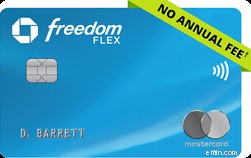
Chase Freedom Flex℠
 Apply Now
On the Secure Website
Apply Now
On the Secure Website
In A Nutshell
The Chase Freedom FlexSM offers an enticing $200 sign-up bonus after spending $500 in the first three months. Plus cash back rewards on travel, dining, drugstore and every day purchases with rewards that never expire. All for no annual fee!
Read review Credit Score Requirements: Credit Score requirements are based on Money Under 30’s own research of approval rates; meeting the minimum score will give you the best chance to be approved for the credit card of your choice. If you don’t know your credit score, use our free credit score estimator tool to get a better idea of which cards you’ll qualify for. *Money Under 30 uses a FICO 8 score, which is one of many different types of credit scores. *A creditor may use a different score when deciding whether to approve you for credit. Poor 500-599 Fair 600-699 Good 700-749 Excellent 750-850What We Like:
-
Awesome $200 cash back bonus after spending $500 on purchases in the first 3 months from account opening.
-
Earn 5% cash back on travel booked through Chase Ultimate Rewards® and on up to $1,500 in combined purchases in bonus categories each quarter you activate. Enjoy new 5% categories each quarter, plus earn 1% on all other purchases.
-
0% Intro APR on purchases and balance transfers for 15 months from account opening on purchases, then a variable APR of 17.24% – 25.99%.
- Earn a $200 Bonus after you spend $500 on purchases in your first 3 months from account opening.
- 5% cash back on up to $1,500 in combined purchases in bonus categories each quarter you activate. Enjoy new 5% categories each quarter!
- 5% cash back on travel purchased through Chase Ultimate Rewards®, our premier rewards program that lets you redeem rewards for cash back, travel, gift cards and more
- 3% cash back on drugstore purchases and dining at restaurants, including takeout and eligible delivery service, and unlimited 1% cash back on all other purchases.
- No minimum to redeem for cash back. You can choose to receive a statement credit or direct deposit into most U.S. checking and savings accounts. Cash Back rewards do not expire as long as your account is open!
- 0% Intro APR for 15 months from account opening on purchases and balance transfers, then a variable APR of 17.24% - 25.99%.
- No annual fee - You won't have to pay an annual fee for all the great features that come with your Freedom FlexSM card
- Keep tabs on your credit health - Chase Credit Journey helps you monitor your credit with free access to your latest score, real-time alerts, and more.
Apply Now >>
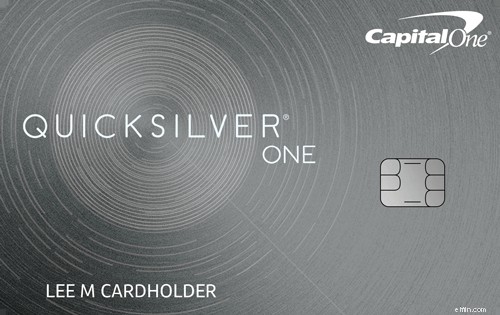
Capital One QuicksilverOne Cash Rewards Credit Card
 Apply Now
On the Secure Website
Apply Now
On the Secure Website
In A Nutshell
If you don’t have the excellent credit needed to score some of the bonuses other Capital One credit cards offer, consider the Capital One QuicksilverOne Cash Rewards Credit Card. It’s a terrific card for average credit and you can still earn 1.5% cash back on all purchases with a modest $39 annual fee.
Read review Credit Score Requirements: Credit Score requirements are based on Money Under 30’s own research of approval rates; meeting the minimum score will give you the best chance to be approved for the credit card of your choice. If you don’t know your credit score, use our free credit score estimator tool to get a better idea of which cards you’ll qualify for. *Money Under 30 uses a FICO 8 score, which is one of many different types of credit scores. *A creditor may use a different score when deciding whether to approve you for credit. Poor 500-599 Fair 600-699 Good 700-749 Excellent 750-850What We Like:
-
1.5% cash back on all purchases.
-
Be automatically considered for a higher credit line in as little as six months.
-
No foreign transaction fees and a modest $39 annual fee.
Apply Now >>
Summary
Cash back credit cards are amazing cards for those who can keep their spending in check and shop only at places that offer the best rewards. Use our guide above to help pick the best cash back card for your needs.
Read more
- Best Cash Back Credit Cards
- How To Get 5 Percent Back On Everything You Buy (Or, Almost Everything)
-
High-Limit Credit Cards: Benefits, Requirements & How They Work
How Does a High-Limit Credit Card Work? High Limits for Excellent Credit Having a high-limit credit card does not mean having a credit card with a few thousand dollars as a credit limi
-

Understanding Credit Card Blocks: What You Need to Know
When company blocks your credit card, it places a hold on your credit line for the estimated amount of your final bill. Even though you haven't completed the transaction, the portion of your credi
banking
- Understanding Credit Card Rewards: Points & Miles Explained
- Understanding Credit Card Holds: What They Are & Why You Get Them
- Understanding Credit Cards: A Comprehensive Guide
- Secured Credit Cards: How They Work & Build Credit
- Understanding Unemployment Debit Cards: How They Work & Usage
- Understanding Credit Card Interest: A Comprehensive Guide
- Top Cash Back Credit Cards of 2024 - Earn Rewards!
- Best Cash Back Credit Cards: A Comprehensive Guide
- Understanding Credit Cards: A Beginner's Guide to Responsible Use
-
 Credit Card Cash Advances: How They Work & Associated Costs
You can pull money from your credit card account at an ATM. You can get cash from a credit card by taking out a cash advance. However, cash advances can be costly. You're charged a higher...
-
 Understanding Credit Card Magnetic Stripes: How They Work
The front of your credit has a lot of numbers. Here is an example of what they might mean. The stripe on the back of a credit card is a magnetic stripe, often called a magstripe. The magstripe is ma...