
Top Credit Cards for FICO Scores 700-749 | [Year]
A credit score over 700 puts you in the good to excellent credit range and makes you a good risk from a lending standpoint.
If you’ve recently moved out of the 600s (considered fair credit), you’ll notice the change. A lot more credit cards, with far more features and benefits, are available to you.
Here are some of the top credit card offers available for your good credit:
Top credit cards for credit scores 700 to 749 at a glance:
| Credit Card | Best For |
|---|---|
| Capital One Venture Rewards Credit Card | Travel rewards |
| Chase Sapphire Preferred® Card | |
| Capital One VentureOne Rewards Credit Card | Travel rewards + no annual fee |
| Discover it® Miles | |
| Wells Fargo Platinum card | Balance transfers |
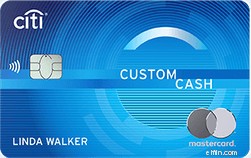
| Citi Custom Cash℠ Card | Cash rewards and balance transfers |
| Capital One® Savor® Cash Rewards Credit Card | Cash rewards |
| Chase Freedom Flex℠ | |
| Chase Freedom Unlimited® | |
| Ink Business Unlimited® Credit Card | Small businesses |
Capital One Venture Rewards Credit Card
![Top Credit Cards for FICO Scores 700-749 | [Year]](https://www.etffin.com/Article/UploadFiles/202209/2022091310453462.png) Apply Now
On the Secure Website
Apply Now
On the Secure Website
In A Nutshell
Capital One’s leading product is the Capital One Venture Rewards Credit Card and it shows. A one-time 75,000 mile bonus after spending $4,000 in the first 3 months is flat out AWESOME, and 2X miles per dollar spent is about as good as it gets with a travel rewards credit card.
Read review Credit Score Requirements: Credit Score requirements are based on Money Under 30’s own research of approval rates; meeting the minimum score will give you the best chance to be approved for the credit card of your choice. If you don’t know your credit score, use our free credit score estimator tool to get a better idea of which cards you’ll qualify for. *Money Under 30 uses a FICO 8 score, which is one of many different types of credit scores. *A creditor may use a different score when deciding whether to approve you for credit. Poor 500-599 Fair 600-699 Good 700-749 Excellent 750-850What We Like:
-
Earn 75,000 bonus miles when you spend $4,000 on purchases in the first 3 months from account opening.
-
2X miles earned for $1 spent on all purchases
-
Receive up to a $100 credit for Global Entry or TSA PreCheck®
- Enjoy a one-time bonus of 75,000 miles once you spend $4,000 on purchases within 3 months from account opening, equal to $750 in travel
- Earn unlimited 2X miles on every purchase, every day
- Miles won't expire for the life of the account and there's no limit to how many you can earn
- Receive up to a $100 credit for Global Entry or TSA PreCheck®
- Enjoy two complimentary visits per year to Capital One Lounges or to 100+ Plaza Premium Lounges through our Partner Lounge Network
- Earn 5X miles on hotels and rental cars booked through Capital One Travel, where you'll get Capital One's best prices on thousands of trip options
- Use your miles to get reimbursed for any travel purchase—or redeem by booking a trip through Capital One Travel
- Transfer your miles to your choice of 15+ travel loyalty programs
Apply Now >>
Chase Sapphire Preferred® Card
![Top Credit Cards for FICO Scores 700-749 | [Year]](https://www.etffin.com/Article/UploadFiles/202209/2022091310453423.png) Apply Now
On the Secure Website
Apply Now
On the Secure Website
In A Nutshell
The Chase Sapphire Preferred® Card sets the standard for travel rewards by offering an excellent 5x points on travel purchases through Chase Ultimate Rewards®, 3x points on dining and 2x points on all other travel purchases. And points are worth 25% more when you redeem travel through Chase Ultimate Rewards® – That means the killer 60,000 point sign-up bonus is worth $750 towards travel.
Read review Credit Score Requirements: Credit Score requirements are based on Money Under 30’s own research of approval rates; meeting the minimum score will give you the best chance to be approved for the credit card of your choice. If you don’t know your credit score, use our free credit score estimator tool to get a better idea of which cards you’ll qualify for. *Money Under 30 uses a FICO 8 score, which is one of many different types of credit scores. *A creditor may use a different score when deciding whether to approve you for credit. Poor 500-599 Fair 600-699 Good 700-749 Excellent 750-850What We Like:
-
A monster of an up-front bonus; 60,000 bonus points after spending $4,000 in the first three months.
-
5X points on travel purchased through Chase Ultimate Rewards®, 3X points on dining, 2X points on all other travel purchases, plus more.
-
Points are worth 25% more when you redeem travel through Chase Ultimate Rewards®
- Earn 60,000 bonus points after you spend $4,000 on purchases in the first 3 months from account opening. That's $750 when you redeem through Chase Ultimate Rewards®.
- Enjoy benefits such as a $50 annual Ultimate Rewards Hotel Credit, 5x on travel purchased through Chase Ultimate Rewards®, 3x on dining and 2x on all other travel purchases, plus more.
- Get 25% more value when you redeem for airfare, hotels, car rentals and cruises through Chase Ultimate Rewards®. For example, 60,000 points are worth $750 toward travel.
- With Pay Yourself Back℠, your points are worth 25% more during the current offer when you redeem them for statement credits against existing purchases in select, rotating categories
- Count on Trip Cancellation/Interruption Insurance, Auto Rental Collision Damage Waiver, Lost Luggage Insurance and more.
- Get complimentary access to DashPass which unlocks $0 delivery fees and lower service fees for a minimum of one year when you activate by December 31, 2024.
Apply Now >>
Capital One VentureOne Rewards Credit Card
![Top Credit Cards for FICO Scores 700-749 | [Year]](https://www.etffin.com/Article/UploadFiles/202209/2022091310453443.png) Apply Now
On the Secure Website
Apply Now
On the Secure Website
In A Nutshell
The Capital One VentureOne Rewards Credit Card has a litany of benefits including a 20,000 mile one-time bonus after spending $500 in the first 3 months, a 0% intro APR on purchases and balance transfers for 15 months (after which the standard rate of 16.49% – 26.49% Variable applies). A balance transfer fee of 3% applies to amounts transferred within the first 15 months.
Read review Credit Score Requirements: Credit Score requirements are based on Money Under 30’s own research of approval rates; meeting the minimum score will give you the best chance to be approved for the credit card of your choice. If you don’t know your credit score, use our free credit score estimator tool to get a better idea of which cards you’ll qualify for. *Money Under 30 uses a FICO 8 score, which is one of many different types of credit scores. *A creditor may use a different score when deciding whether to approve you for credit. Poor 500-599 Fair 600-699 Good 700-749 Excellent 750-850What We Like:
-
A one-time bonus of 20,000 miles after spending $500 in the first three months
-
1.25 miles earned on every $1 spent
-
No annual fee and no foreign transaction fees
- $0 annual fee and no foreign transaction fees
- Earn a bonus of 20,000 miles once you spend $500 on purchases within 3 months from account opening, equal to $200 in travel
- Earn unlimited 1.25X miles on every purchase, every day
- Miles won't expire for the life of the account and there's no limit to how many you can earn
- Earn 5X miles on hotels and rental cars booked through Capital One Travel, where you'll get Capital One's best prices on thousands of trip options
- Use your miles to get reimbursed for any travel purchase—or redeem by booking a trip through Capital One Travel
- Transfer your miles to your choice of 15+ travel loyalty programs
- Enjoy 0% intro APR on purchases and balance transfers for 15 months; 16.49% - 26.49% variable APR after that; 3% fee on the amounts transferred within the first 15 months
Apply Now >>
Citi Custom Cash℠ Card
![Top Credit Cards for FICO Scores 700-749 | [Year]](https://www.etffin.com/Article/UploadFiles/202209/2022091310453422.png) Apply Now
On the Citi Secure Website
Apply Now
On the Citi Secure Website
In A Nutshell
The Citi Custom Cash℠ Card earns a strong $200 in cash back after you spend $750 on purchases in the first 3 months of account opening. This bonus offer will be fulfilled as 20,000 ThankYou® Points, which can be redeemed for $200 cash back and this card also includes an excellent 0% intro APR opportunity.
Read review Credit Score Requirements: Credit Score requirements are based on Money Under 30’s own research of approval rates; meeting the minimum score will give you the best chance to be approved for the credit card of your choice. If you don’t know your credit score, use our free credit score estimator tool to get a better idea of which cards you’ll qualify for. *Money Under 30 uses a FICO 8 score, which is one of many different types of credit scores. *A creditor may use a different score when deciding whether to approve you for credit. Poor 500-599 Fair 600-699 Good 700-749 Excellent 750-850What We Like:
-
0% into APR for 15 months on purchases and balance transfers (regular APR is 16.24% – 26.24% variable)
-
Earn $200 in cash back after you spend $750 on purchases in the first 3 months of account opening. This bonus offer will be fulfilled as 20,000 ThankYou® Points, which can be redeemed for $200 cash back
-
No annual fee
- Earn $200 in cash back after you spend $750 on purchases in the first 3 months of account opening. This bonus offer will be fulfilled as 20,000 ThankYou® Points, which can be redeemed for $200 cash back.
- 0% Intro APR on balance transfers and purchases for 15 months. After that, the variable APR will be 16.24% - 26.24%, based on your creditworthiness.
- Earn 5% cash back on purchases in your top eligible spend category each billing cycle, up to the first $500 spent, 1% cash back thereafter. Also, earn unlimited 1% cash back on all other purchases.
- No rotating bonus categories to sign up for – as your spending changes each billing cycle, your earn adjusts automatically when you spend in any of the eligible categories.
- No Annual Fee
- Citi will only issue one Citi Custom Cash℠ Card account per person.
Apply Now >>
Chase Freedom Flex℠
![Top Credit Cards for FICO Scores 700-749 | [Year]](https://www.etffin.com/Article/UploadFiles/202209/2022091310453478.png) Apply Now
On the Secure Website
Apply Now
On the Secure Website
In A Nutshell
The Chase Freedom FlexSM offers an enticing $200 sign-up bonus after spending $500 in the first three months. Plus cash back rewards on travel, dining, drugstore and every day purchases with rewards that never expire. All for no annual fee!
Read review Credit Score Requirements: Credit Score requirements are based on Money Under 30’s own research of approval rates; meeting the minimum score will give you the best chance to be approved for the credit card of your choice. If you don’t know your credit score, use our free credit score estimator tool to get a better idea of which cards you’ll qualify for. *Money Under 30 uses a FICO 8 score, which is one of many different types of credit scores. *A creditor may use a different score when deciding whether to approve you for credit. Poor 500-599 Fair 600-699 Good 700-749 Excellent 750-850What We Like:
-
Awesome $200 cash back bonus after spending $500 on purchases in the first 3 months from account opening.
-
Earn 5% cash back on travel booked through Chase Ultimate Rewards® and on up to $1,500 in combined purchases in bonus categories each quarter you activate. Enjoy new 5% categories each quarter, plus earn 1% on all other purchases.
-
0% Intro APR on purchases and balance transfers for 15 months from account opening on purchases, then a variable APR of 17.24% – 25.99%.
- Earn a $200 Bonus after you spend $500 on purchases in your first 3 months from account opening.
- 5% cash back on up to $1,500 in combined purchases in bonus categories each quarter you activate. Enjoy new 5% categories each quarter!
- 5% cash back on travel purchased through Chase Ultimate Rewards®, our premier rewards program that lets you redeem rewards for cash back, travel, gift cards and more
- 3% cash back on drugstore purchases and dining at restaurants, including takeout and eligible delivery service, and unlimited 1% cash back on all other purchases.
- No minimum to redeem for cash back. You can choose to receive a statement credit or direct deposit into most U.S. checking and savings accounts. Cash Back rewards do not expire as long as your account is open!
- 0% Intro APR for 15 months from account opening on purchases and balance transfers, then a variable APR of 17.24% - 25.99%.
- No annual fee - You won't have to pay an annual fee for all the great features that come with your Freedom FlexSM card
- Keep tabs on your credit health - Chase Credit Journey helps you monitor your credit with free access to your latest score, real-time alerts, and more.
Apply Now >>
Chase Freedom Unlimited®
![Top Credit Cards for FICO Scores 700-749 | [Year]](https://www.etffin.com/Article/UploadFiles/202209/2022091310453454.png) Apply Now
On the Secure Website
Apply Now
On the Secure Website
In A Nutshell
The Chase Freedom Unlimited® opens up with a terrific intro offer; earn an additional 1.5% cash back on everything you buy (on up to $20,000 spent in the first year) – worth up to $300 cash back! Tack on a 0% intro APR for 15 months on purchases and balance transfers (standard 17.24% – 25.99% Variable APR) add to that a strong everyday rewards program and it’s a terrific option for anyone looking to save a ton of money on everyday purchases.
Read review Credit Score Requirements: Credit Score requirements are based on Money Under 30’s own research of approval rates; meeting the minimum score will give you the best chance to be approved for the credit card of your choice. If you don’t know your credit score, use our free credit score estimator tool to get a better idea of which cards you’ll qualify for. *Money Under 30 uses a FICO 8 score, which is one of many different types of credit scores. *A creditor may use a different score when deciding whether to approve you for credit. Poor 500-599 Fair 600-699 Good 700-749 Excellent 750-850What We Like:
-
Intro Offer: Earn an additional 1.5% cash back on everything you buy (on up to $20,000 in the first year) – worth up to $300 cash back!
-
Unlimited 1.5% cash back on all other purchases.
-
0% intro APR on purchases and balance transfers for 15 months; then a variable APR of 17.24% – 25.99%.
- Intro Offer: Earn an additional 1.5% cash back on everything you buy (on up to $20,000 spent in the first year) - worth up to $300 cash back!
- Enjoy 6.5% cash back on travel purchased through Chase Ultimate Rewards®, our premier rewards program that lets you redeem rewards for cash back, travel, gift cards and more; 4.5% cash back on drugstore purchases and dining at restaurants, including takeout and eligible delivery service, and 3% on all other purchases (on up to $20,000 spent in the first year).
- After your first year or $20,000 spent, enjoy 5% cash back on Chase travel purchased through Ultimate Rewards®, 3% cash back on drugstore purchases and dining at restaurants, including takeout and eligible delivery service, and unlimited 1.5% cash back on all other purchases.
- No minimum to redeem for cash back. You can choose to receive a statement credit or direct deposit into most U.S. checking and savings accounts. Cash Back rewards do not expire as long as your account is open!
- Enjoy 0% Intro APR for 15 months from account opening on purchases and balance transfers, then a variable APR of 17.24% - 25.99%.
- No annual fee – You won’t have to pay an annual fee for all the great features that come with your Freedom Unlimited® card
- Keep tabs on your credit health, Chase Credit Journey helps you monitor your credit with free access to your latest score, real-time alerts, and more.
Apply Now >>
Ink Business Unlimited® Credit Card
![Top Credit Cards for FICO Scores 700-749 | [Year]](https://www.etffin.com/Article/UploadFiles/202209/2022091310453525.png)
In A Nutshell
The Ink Business Unlimited® Credit Card opens up with a $750 cash bonus after spending $7,500 in the first three months from account opening; includes 1.5% cash back on all purchases and charges no annual fee.
Read review Apply Now On the Secure WebsiteIn A Nutshell
The Ink Business Unlimited® Credit Card opens up with a $750 cash bonus after spending $7,500 in the first three months from account opening; includes 1.5% cash back on all purchases and charges no annual fee.
Read review Credit Score Requirements: Credit Score requirements are based on Money Under 30’s own research of approval rates; meeting the minimum score will give you the best chance to be approved for the credit card of your choice. If you don’t know your credit score, use our free credit score estimator tool to get a better idea of which cards you’ll qualify for. *Money Under 30 uses a FICO 8 score, which is one of many different types of credit scores. *A creditor may use a different score when deciding whether to approve you for credit. ? Poor 500-599 Fair 600-699 Good 700-749 Excellent 750-850What We Like:
-
Earn $750 in bonus cash after spending $7,500 in the first three months of account opening
-
Earn an unlimited 1.5% cash back on all purchases
-
No annual fee
- Earn $750 bonus cash back after you spend $7,500 on purchases in the first 3 months from account opening
- Earn unlimited 1.5% cash back on every purchase made for your business
- No Annual Fee
- Redeem rewards for cash back, gift cards, travel and more through Chase Ultimate Rewards®
- Earn rewards faster with employee cards at no additional cost. Set individual spending limits for greater control
- With Fraud Protection your card transactions will be monitored for possible signs of fraudulent activity using real-time fraud monitoring
- With Zero Liability you won't be held responsible for unauthorized charges made with your card or account information
- 0% introductory APR for 12 months on purchases
Apply Now >>
In-depth analysis of the best credit cards for good-to-excellent credit (700-749 FICO Score)
Best travel credit cards:
Capital One Venture Rewards Credit Card
Apply Now
On the Secure Website
Card features
- Annual fee: $95.
- APR range: 17.49% - 25.49% (Variable).
- Sign-on bonus offer: Earn 75,000 bonus miles when you spend $4,000 on purchases in the first 3 months from account opening.
- Rewards: Unlimited 2X miles per dollar on every purchase, every day.
- Other features: $0 foreign transaction fees, up to $100 application fee credit for Global Entry or TSA PreCheck, miles are good at any airline or hotel, with no blackout dates, no limit or expiration date on miles.
Why the Capital One Venture Rewards Credit Card is a good option for those with good/excellent credit
The Capital One Venture Rewards Credit Card offers outstanding travel benefits, and they waive the annual fee the first year.
How to use the Capital One Venture Rewards Credit Card
If you’re a frequent traveler, this card can definitely lower your travel expenses. The biggest benefit will naturally come in the first year, but you’ll have to use the card consistently to get the most out of the travel benefits in subsequent years.
Why you might not want to consider the Capital One Venture Rewards Credit Card
Again, this card is for frequent travelers. Bonus miles are redeemed in travel, and not for unrelated purchases.
Apply now or read our full review of the Capital One Venture Rewards Credit Card.
Chase Sapphire Preferred® Card
Apply Now
On the Secure Website
Card features
- Annual fee: $95.
- APR range: 18.24% - 25.24% Variable.
- 0% introductory APR: Not offered.
- Sign-on bonus offer: 60,000 bonus points when you spend $4,000 on purchases in the first three months (worth $600 cash, or $750 in travel when you redeem through Chase Ultimate Rewards®).
- Rewards: 5X points on travel purchased through Chase Ultimate Rewards®, 3X points on dining, 2X points on all other travel purchases, plus 1X point per dollar on all other purchases.
- Other features: $0 foreign transaction fees, transfer points to participating frequent travel programs on a one-for-one basis, trip cancellation insurance.
Why the Chase Sapphire Preferred® Card is a good option for those with good/excellent credit
Similar situation here, the Chase Sapphire Preferred® Card is made for frequent travelers.
How to use the Chase Sapphire Preferred® Card
Similar situation—if you pay your balance in full every month, you’ll avoid interest charges. And if you’re a frequent traveler, the bonus points you earn will cover your annual fee many times over.
Why you might not want to consider the Chase Sapphire Preferred® Card
Once again, if you’re not a frequent traveler, this card won’t be the best choice for you.
Apply now or read our full review of the Chase Sapphire Preferred® Card.
Best travel credit card with no annual fee:
Capital One VentureOne Rewards Credit Card
Apply Now
On the Secure Website
Card features
- Annual fee: $0.
- APR range: 16.49% - 26.49% (Variable); 3% fee on the amounts transferred within the first 15 months.
- 0% introductory APR on purchases and balance transfers for 15 months.
- Sign-on bonus offer: 20,000 bonus miles when you spend $500 on purchases in the first three months of account opening.
- Rewards: Unlimited 1.25 miles on all purchases.
- Other features: $0 foreign transaction fees, travel accident insurance.
Why the Capital One VentureOne Rewards Credit Card is a good option for those with good/excellent credit
The Capital One VentureOne Rewards Credit Card is another great card for travel rewards, with the benefit of a $0 annual fee. You’ll need to purchase your tickets first, then redeem your miles as a statement credit to cover the cost
How to use the Capital One VentureOne Rewards Credit Card
One of the advantages of this card is that the sign-on bonus can be obtained by spending just $500 in the first three months. That can easily be accomplished even if you’re not a heavy credit card user. As with the other cards, just pay your balance in full each month, and you won’t have to worry about accruing interest or dropping your score due to high credit utilization. Since there’s no annual fee, you don’t have to worry about making enough in travel miles to make it worth it.
Why you might not want to consider the Capital One VentureOne Rewards Credit Card
If you don’t travel often, you’ll probably want to go with a card that gives you gift cards or cash. The Capital One VentureOne Rewards Credit Card also requires that you make the purchase, then redeem your miles as a statement credit to cover the cost on your bill.
Apply now or read our full review of the Capital One VentureOne Rewards Credit Card.
Discover it® Miles
Card features
- Annual fee: $0.
- APR range: 13.49% - 24.49% Variable
- 0% introductory APR on purchases for 14 months, See Terms on balance transfers.
- Sign-on bonus offer: Discover will match all miles earned at the end of your first year.
- Rewards: Unlimited 1.5X miles for every dollar spent on purchases; any airline or hotel, no blackout dates; redeem miles as a statement credit toward travel purchases.
- Other features: $0 foreign transaction fee, Credit Scorecard with your FICO Credit Score, Social Security alerts, paying late won’t raise your APR, no late fee on your first late payment.
Why the Discover it® Miles is a good option for those with good/excellent credit
The Discover it® Miles is another great credit card for travel rewards and no annual fee. You also get 14 months 0% APR on purchases and a reduced intro APR on balance transfers.
How to use the Discover it® Miles
Unlike other travel rewards cards on this list, Discover it® Miles doesn’t offer a flat upfront bonus. But they will match all miles you earn at the end of the first year – which means you’ll have a busy first year using the card.
Why you might not want to consider the Discover it® Miles
Again, if you’re not a traveler, you’ll be better off selecting another card. Also, be careful of the first year mileage match. You’ll have to work harder for this bonus than you will with other cards.
Apply now or read our full review of the Discover it® Miles credit card.
Best balance transfer credit cards:
Wells Fargo Platinum card
*This offer is expired or no longer available.
Card features
- Annual fee: $0.
- APR range: 16.49% - 24.49% Variable.
- 0% introductory APR: 0% for 18 months on balance transfers and purchases.
- Other features: Access to My Money Map, a tool that helps with budgeting, advanced security features, access to your FICO® score.
Why the Wells Fargo Platinum card is a good option for those with good/excellent credit
The Wells Fargo Platinum card has no annual fee and an intro APR of 0% for 18 months on balance transfers and purchases, making it the perfect card for anyone that needs to pay off a large debt, or who needs to make a big purchase with some leeway to pay it off.
How to use the Wells Fargo Platinum card
Once you’ve set up your account, you’ll just transfer balances from other credit cards to your Wells Fargo Platinum card. You can also make purchases at 0% for 18 months. If you monitor your credit score and takes steps to improve it, you can reduce the interest rate you’re offered after the introductory period.
Why you might not want to consider the Wells Fargo Platinum® card
There are no rewards associated with this credit card, so it’s better for those who are working hard to reduce their debt.
Best cash rewards and balance transfer credit card:
Citi Custom Cash℠ Card
Apply Now
On the Citi Secure Website
Card features
- Annual fee: $0.
- APR range: 16.24% - 26.24% (Variable).
- 0% introductory APR: 0% for 15 months on purchases & 0% for 15 months on balance transfers.
- Sign-on bonus offer: Earn $200 cash rewards bonus after spending $750 in the first three months of account opening.
- Rewards: 5% cash back on up to $500 of purchases made within your top spending category each billing cycle, plus unlimited 1% cash back on all other purchases.
- Other features: Citi Entertainment® gives exclusive access to live event experiences and ticket presales.
Why the Citi Custom Cash℠ Card is a good option for those with good/excellent credit
The Citi Custom Cash℠ Card offers a rare mix of high rewards, a generous welcome bonus, PLUS no annual fee, and 0% APR on both balance transfers and new purchases, making it a compelling jack-of-all-trades card for those looking to crush old debt while avoiding new debt.
How to use the Citi Custom Cash℠ Card
Since the Citi Custom Cash℠ Card offers 5% cash back on your spendiest category each billing cycle, you can maximize your rewards by focusing your spending each month on travel, home improvement, etc. If you need to initiate a balance transfer, just be sure to do it within the first four months.
Why you might not want to consider the Citi Custom Cash℠ Card
The Citi Custom Cash℠ Card’s chief drawback is that it only gives 5% cash back in one category. If you tend to spend broadly, you may be more rewarded by a card offering 5% cash back in multiple, rotating categories.
Apply now or read our full Citi Custom Cash℠ Card review.
Best cash rewards credit cards:
Capital One® Savor® Cash Rewards Credit Card
Disclaimer – The information about the Capital One® Savor® Cash Rewards Credit Card has been collected independently by MoneyUnder30.com. The card details have not been reviewed or approved by the card issuer.
Card features
- Annual fee: $95.
- APR range: 16.24% - 24.24% (Variable).
- 0% introductory APR: Not offered.
- Sign-on bonus offer: $300 in cash rewards after spending $3,000 on purchases within the first three months of opening their account.
- Rewards: 4% on all dining, entertainment, and popular streaming services payments; 3% cash back on groceries, and 1% on all other purchases.
- Other features: You’ll become member of the World Elite MasterCard® Club.
Why Capital One® Savor® is a good option for those with good/excellent credit
The Capital One® Savor® Cash Rewards Credit Card is a great card for frequent diners. But, the sign-up reward is where this card shines. You can earn $300 in cash rewards after spending $3,000 on purchases within the first three months of opening their account.
How to use the Capital One® Savor® Cash Rewards Credit Card
You can make up for the annual fee if you dine out on a regular basis, or by using your Capital One® Savor® to buy groceries.
Why you might not want to consider Capital One® Savor®
If you don’t dine out frequently, you’d be better served with a cash back card that offers rewards in different categories.
Apply now or read our full review of the Capital One® Savor® Cash Rewards credit card.
Chase Freedom Flex℠
Apply Now
On the Secure Website
Card features
- Annual fee: $0.
- APR range: 17.24% - 25.99% Variable.
- Sign-on bonus offer: $200 bonus after spending $500 on purchases in the first three months from account opening.
- Rewards: 5% cash back on up to $1,500 in combined purchases in bonus categories each quarter you activate, 5% cash back on travel purchases when you book through Chase Ultimate rewards®, 3% cash back on dining and drugstores, and unlimited 1% cash back on all other purchases.
- Other features: Purchase Protection that covers your new purchases for 120 days against damage or theft up to $500 per claim and $50,000 per account.
Why the Chase Freedom Flex℠ is a good option for those with good/excellent credit
Chase Freedom Flex℠ is another card with a strong combination of cash bonuses and great introductory offers.
How to use the Chase Freedom Flex℠
This is another card where it’s easy to get cash back. The sign-up bonus of $200 after you spend $500 in the first three months gives you a huge discount on whatever you buy. Throw in the 5% cash back in bonus categories, plus 3% on dining and drugstore purchases and 1% on all other purchases, and this card can save you serious money in the first year, and every year thereafter.
Why you might not want to consider the Chase Freedom Flex℠
The rewards offer is well worth taking. But be careful of the 0% Intro APR on Purchases for 15 months and 0% Intro APR on Balance Transfers for 15 months. When combined with the rewards, this is the type of card that could see you running up a very large balance quickly – and one that you will be harder to pay off anytime soon.
Apply now or read our full review of the Chase Freedom Flex℠.
Chase Freedom Unlimited®
Apply Now
On the Secure Website
Card features:
- Annual fee: $0.
- APR range: 17.24% - 25.99% Variable.
- 0% introductory APR: 15 months on purchases and balance transfers.
- Intro Offer: Earn an additional 1.5% cash back on purchases (up to $20,000 in the first year) – worth up to $300 cash back!
- 5% cash back on travel booked through Chase Ultimate Rewards®.
- 3% cash back on dining and drugstore purchases.
- 1.5% cash back on all other purchases.
- Other features: Cash rewards don’t expire and you can redeem them at any time.
Why the Chase Freedom Unlimited® is a good option for those with good/excellent credit
If you don’t want an annual fee, want great rewards, and a decent 0% intro, the Chase Freedom Unlimited® is perfect.
It’s meant for cardholders that are looking for a great card all-around.
How to use Chase Freedom Unlimited®
If you need to put a purchase on your card, the 15 month of interest free payments could help you pay it off in full quickly. Plus, you can use your card for ALL purchases and earn cash back.
Why you might not want to consider the Chase Freedom Unlimited®
Quite honestly, the Chase Freedom Unlimited® offers plenty of perks without much room for criticism. The 5% cash back on travel booked through Chase Ultimate Rewards® paired with the 3% cash back on dining and drugstores, and 1.5% cash back on all other purchases is hard to beat. AND you can earn an extra 1.5% cash back on purchases in the first year, making this an awesome all-around card.
Apply now or read our full review of the Chase Freedom Unlimited®.
Ink Business Unlimited® Credit Card
Apply Now
On the Secure Website
Card features
- Annual fee: $0.
- APR range: 15.49% - 21.49% Variable.
- 0% introductory APR: 0% Intro APR on Purchases for 12 Months.
- Sign-on bonus offer: $750 bonus cash back after you spend $7,500 on purchases in the first three months after account opening.
- Rewards: Unlimited 1.5% cash back.
- Other features: employee cards at no additional cost, zero liability protection.
Why the Ink Business Unlimited® Credit Card is a good option for those with good/excellent credit
The Ink Business Unlimited® Credit Card is a great all-around cash back card for small business owners. The card comes with an impressive unlimited 1.5% cash back on all purchases, along with a $0 annual fee and plenty of other perks, making it a hard card to beat for business owners.
How to use the Ink Business Unlimited® Credit Card
In order to be eligible for the bonus cash back offer, cardholders need to spend $7,500 in the first three months after opening their account. The Ink Business Unlimited® Credit Card is a great option for businesses with a good amount of general monthly expenses, or for business owners planning on making a significant purchase in the near future.
Why you might not want to consider the Ink Business Unlimited® Credit Card
If you’re not a business owner, unfortunately, you won’t be eligible for the Ink Business Unlimited® Credit Card. If you do own a business and have a lot of expenses in a particular category, like travel or office supplies, a rewards card with bonuses in those particular categories might increase your earnings.
But for business owners who want a straightforward, reliable cash back card that helps them earn while they spend, the Ink Business Unlimited® Credit Card is a great option.
Apply now or read our full Ink Business Unlimited® Credit Card review.
Summary of the best credit cards if your FICO score is between 700-749
In the table below, we summarized the main information for each of the cards we presented as the best cards if your FICO Score is between 700 and 749:
| Card/Category | Annual Fee | APR Range | Sign-up Bonus Offer |
|---|---|---|---|
| Capital One Venture Rewards Credit Card | $95 | 17.49% - 25.49% (Variable) | 75,000 bonus miles when you spend $4,000 on purchases in the first 3 months from account opening |
| Chase Sapphire Preferred® Card | $95 | 18.24% - 25.24% Variable | 60,000 bonus points when you spend $4,000 on purchases in the first three months |
| Capital One VentureOne Rewards Credit Card | $0 | 16.49% - 26.49% (Variable) | 20,000 bonus miles when you spend $500 on purchases in the first three months of account opening |
| Discover it® Miles | $0 | 13.49% - 24.49% Variable | Discover will match all miles earned at the end of your first year |
| Wells Fargo Platinum card | $0 | 16.49% - 24.49% Variable | None |
| Citi Custom Cash℠ Card | $0 | 16.24% - 26.24% (Variable) | $200 (or 20,000 bonus ThankYou® Points) when you spend $750 on purchases in the first three months of account opening |
| Capital One® Savor® Cash Rewards Credit Card | $95 | 16.24% - 24.24% (Variable) | $300 in cash rewards after spending $3,000 on purchases within the first three months of opening their account |
| Chase Freedom Flex℠ | $0 | 17.24% - 25.99% Variable | $200 Bonus after you spend $500 on purchases in your first 3 months from account opening |
| Chase Freedom Unlimited® | $0 | 17.24% - 25.99% Variable | Intro Offer: Earn an additional 1.5% cash back on purchases (up to $20,000 in the first year) - worth up to $300 cash back! |
*5% cash back categories have a $1,500 max spend and require quarterly activation
How we came up with this list
We used six criteria to come up with our list of the nine best credit cards if your FICO Score is 700 to 749:
- Annual fee.
- APR range.
- 0% introductory APR.
- Sign-on bonus offer.
- Rewards.
- Other features.
The cards we selected offer the best combination of these features, even if each doesn’t offer all six.
- What is good/excellent credit?
- How to find the best credit cards if your FICO score is 700 to 749
- The most important features of credit cards if your FICO score is between 700 and 749
- What to do before applying for a credit card if your FICO score is 700 to 749
- How to properly use a credit card for good/excellent credit
- Tips to maintain or improve your credit
- FAQs
- Compare more recommended credit cards
What is good/excellent credit?
Good/excellent credit is another of those credit blocks that isn’t necessarily defined by the three major credit bureaus. Experian lists the 700 to 749 score range as floating between good and very good (but not excellent).
What factors affect your credit score?
Your credit score is comprised of five factors: payment history, amounts owed, length of credit history, new credit, and credit mix.
If your FICO Score is 700 to 749, you’re probably perfect or near-perfect in the payment history category. At worst, you may have one or two 30-day late payments in your distant past, but nothing recent.
In this credit score range, credit utilization ratio is likely to be a bigger factor. It’s the amount you owe on your credit cards, divided by your total credit card limits.
For example, if you owe $5,000 in credit card debt, and you have $20,000 in credit card limits, your credit utilization ratio was 25%. Any number below 30% is considered good.
How to find the best credit cards if your FICO score is 700 to 749
If you’re in this credit score range, the best credit cards aren’t hard to find. Nearly all types of cards will be available to you.
At this credit score range, it will be less a matter of finding cards you qualify for, and more about selecting the ones you like best.
What’s more, traditional factors, like annual fee and interest rate become less important. Credit cards in the 700 to 749 range offer the kinds of perks that can actually enable you to come out ahead in using the card. That is, the rewards and benefits will be higher than the annual fee, and even the interest expense if you make a habit of not carrying an outstanding balance.
This guide will offer nine different credit cards if your FICO Score is 700 to 749. You can simply choose the card (or cards) that offer the best combination of rewards and benefits for you.
Most important features of credit cards if your FICO score is 700 to 749
Let’s take a deeper look at the six criteria listed above.
Annual percentage rate—APR
If your FICO Score is 700 to 749 you’ll be presented with an interest rate range. Something typical would be 14.74% to 24.74%.
If your credit score is closer to 750, you may get a lower rate. If it’s just above 700, you may pay the higher rate.
The annual fee
Some cards on our list have no annual fee, but a few do. Among those that do, the maximum is $95.
Though it would be preferable to take a card with no annual fee, you have to weigh the benefits the card offers. Those benefits may be more generous on a card that has an annual fee than one that doesn’t.
0% introductory APR
This is a common feature in cards offered in the good/excellent credit range. A credit card issuer may provide a 0% APR for anywhere from six months to 18 months. It usually applies to balance transfers, but may also include purchases.
This offer will be more attractive to someone who has high interest credit card balances they want to transfer. If you don’t, it may not offer much incentive to take the card.
Sign-up bonus offer
These are very common for credit cards in the good/excellent credit range. In fact, they’re one of the main reasons consumers select one card over another.
All the cards on our list provide a sign-up bonus. Some are more generous than others, but that doesn’t make them better cards. A card with better ongoing rewards may be preferable to one with a very generous sign-on bonus offer.
Credit card rewards
These are the ongoing rewards, like 1% cash back on all purchases, or 5% cash back on select purchases.
In the second case, a credit card may offer you enhanced cash back rewards or points on certain categories. These categories usually change on a quarterly basis, and can apply to gas, groceries, restaurant meals, or other spending categories.
As attractive as sign-up bonuses are, ongoing rewards are a better reason to choose a credit card. They’re what you’ll be left with after the bonus offer has been completed.
Additional card benefits
These are the other benefits typical to credit cards. They can include collision damage waiver on auto rentals, $0 fraud liability for unauthorized charges, free credit scores, and other perks.
What to do before applying for a credit card if your FICO score is 700 to 749
Even if you’ve been in the 700 to 749 credit score range for a long time, never assume that’s still the case. Credit scores are a moving target! The score you have today will be different a month from now, and again a year from now.
For that reason, there are a few steps you should take before you even make application for a credit card.
Check your credit
You should always be monitoring your credit, at least to know if there are errors or any fraudulent activity. But it’ll be a big advantage when you’re about to apply for credit. It will give you a chance to know what your credit is before the lender does.
You can do this by using free credit score providers, and you should sign up for one if you haven’t already.
Research available cards for your credit score
The first step is to identify those cards designed specifically for good/excellent credit. You’ve already taken that step by coming to this guide.
Don’t apply for multiple credit cards
This is standard advice any time you apply for credit of any type (except mortgages). If you put in multiple applications, you can actually hurt your chance of being approved and even catapult your score back to the bad credit range.
Each lender will have access to your credit report, which will show that you’ve applied elsewhere. Those applications will show up as credit inquiries. Too many inquiries can actually drop your credit score. Maybe it won’t be by a lot, but it could be enough to put you into a bad credit score range.
Pick the card you want most, and apply for it. If you’re turned down, or you don’t like the terms, only then should you apply for another card.
Credit card features to consider if you have good/excellent credit
There are a few factors that come into play with the good/excellent credit range.
The annual fee debate
You certainly can get credit cards with no annual fee. But as discussed earlier, that doesn’t automatically make them a better choice. If ongoing rewards are more generous with a card that charges an annual fee, it might be the better choice over the card with no annual fee.
Rewards should match your spending patterns
If you’re not a frequent traveler, it will make little sense to get a card that provides generous travel rewards. As you probably won’t take advantage of them, it’ll be just another credit card.
Also, look very carefully at any qualifications for the rewards. Many credit cards in the good credit score to excellent credit score range make their most generous rewards offers on select categories. If you use those categories normally, it will make sense to take the card. But if you don’t, you won’t earn the rewards.
Cash back vs. rewards points or miles
Rewards come in three flavors: cashback, points, and miles.
Points and miles are typically associated with travel rewards. Once again, if you’re a frequent traveler, this type of rewards package will be attractive. Understand that it’s typical with travel rewards that they’re primarily earned through travel purchases, and redeemed in the same category.
If you’re not a frequent traveler, cash back rewards are definitely the way to go. You can generally earn them through regular purchase activity, and redeem them for cash, or a statement credit (which can be applied in a number of ways).
Frequent credit card use is required to take full advantage of rewards
Depending on the rewards offered, earning them can be a bit complicated. It may be easy in the first year, due to a generous sign-on bonus. But the ongoing rewards aren’t always so easy.
Take travel rewards, for example. If a travel rewards card offers two points for every $1 you spend, you’ll have to spend $1,000 per month to earn 2,000 points. In one year’s time, you can earn 24,000 points spending at that level, equal to $240 in travel purchases.
But the critical connection is being able to spend at that level every month. If you don’t normally use a credit card, you may not accumulate a meaningful number of points.
How to properly use a credit card for good/excellent credit
One of the main goals of a credit card when you’re in the 700 to 749 credit score range is to reap the benefits without doing anything that might cause your credit score to drop.
We recommend these strategies:
Pay off your balance quickly and regularly
Credit card rewards can actually enable you to earn money through your credit card usage. But if you carry a balance on your card, and have to pay an interest rate of close to 2% per month, it’s likely the rewards will be more than offset by interest expense.
To get the maximum results from the rewards, pay off your balance each and every month. That will make the rewards a pure benefit.
Charge no more than you can easily repay when the bill comes in
This really gets to the mechanics of paying off your balance each month. If you have room in your budget to pay $500 per month toward your credit card bill, then that’s as much as you should charge on it. It makes it less likely you’ll need to carry a balance.
Remember, using a credit card responsibly does not mean maxing out your available credit every month!
High-spend credit cards
Credit card issuers make the most money on people who make frequent use of their cards and carry large balances. They’ll use a combination of high credit limits, generous rewards, and a 0% APR introductory offer.
This is an outcome you must resist. If the combination of the above three benefits cause you to run your credit card balance up to $10,000, and you have an interest rate of 20%, you’ll be paying $2,000 per year in interest, at least once the 0% introductory offer term ends.
Watch out for the balance transfer trap!
A 0% introductory APR is an outstanding benefit to have, but only if you use it the right way. And the right way is to pay off any balance transferred before the 0% APR introductory term ends.
To do otherwise is to put yourself in a potential trap.
Here’s why…
- Balance transfer fees. Credit cards routinely charge an upfront fee of between 3%-5% of the balance transferred. If you transfer $10,000, that will be $300 to $500, paid up front.
- The 0% introductory APR could convince you to keep the balance outstanding—after all, it won’t be costing you any money.
- The 0% introductory APR will end, and then you’ll be subject to the regular interest rate. It’s possible that rate will be higher than the one you’re paying on the card you transferred the balance from.
If you won’t be able to pay the balance in full within the introductory term you might want to avoid a balance transfer entirely. In that situation, it’ll just be moving debt from one credit line to another—with an interest rate reprieve in the middle.
Tips to maintain or improve your credit
As noted earlier, your good/excellent credit score isn’t a permanent feature. There are a number of events that could knock it down a few points (or more than a few points) and drop you back below 700.
We recommend these strategies to avoid that outcome (and maybe even build a higher credit score):
Monitor your credit score from now on
Credit card companies aren’t the only ones that can perform a credit check. In fact, you should do this at least on a monthly basis. That will give you an opportunity to identify any irregularities immediately.
Brand-new issues are easier to fix than those that have been sitting for a few months or years. The information will be fresh on your mind, and you’ll likely have documentation to prove your case.
Dispute any errors promptly
If there are any errors on your report, you need to dispute them immediately. Contact the creditor, open a dispute, and provide documentation supporting your claim. Have the creditor provide written confirmation of the error, then ask them to report the corrected information to all three credit bureaus.
Wait 30 days and pull your credit again. If the error still appears, write a letter to each of the three credit bureaus (Equifax, TransUnion, and Experian), and include a copy of the creditor’s letter acknowledging the error. Based on that letter, the credit bureaus can remove the error and fix your credit report.
Pay ALL your bills on-time
If your credit score is over 700, you’re probably doing this faithfully. At the same time, you should be aware that a single late payment could have a serious negative effect on your credit rating.
Set up automatic debits for any recurring payments you have. You should do this even with rent and utility payments. Though they won’t report to credit bureaus in the normal course, they will report unpaid balances. Automatic debits will eliminate that possibility.
Compare more recommended credit cards
- See our recommended credit cards (all credit levels)
- See our recommended cash back credit cards
- See our recommended low APR credit cards
Is your credit score not between 700 and 749? Find more top credit cards for your credit score (FICO score) range:
- Best credit cards for a credit score above 750
- Best credit cards for a credit score between 650 – 699
- Best credit cards for a credit score between 600 – 649
- Best credit cards for a credit score under 599
Note: According to our research, these credit cards offer the best chance of approval for applicants with credit scores of 700, 701, 702, 703, 704, 705, 706, 707, 708, 709, 710, 711, 712, 713, 714, 715, 716, 717, 718, 719, 720, 721, 722, 723, 724, 725, 726, 727, 728, 729, 730, 731, 732, 733, 734, 735, 736, 737, 738, 739, 740, 741, 742, 743, 744, 745, 746, 747, 748 and 749. This does not mean guaranteed approval as credit decisions take into factors other than FICO score.

banking
- Credit Card vs. Smart Card: Key Differences Explained
- Credit Score Impact of Credit Card Rewards: 10 Expert Tips
- Top Credit Cards for Credit Scores 700-749 | Millennial Money
- Difference Between Secured and Unsecured Credit Cards
- Best Credit Cards for Building Credit with a 500 Score
- Top Credit Cards for Excellent Credit Scores (750+)
- Low-Interest Credit Cards: Save on Interest & Debt - [Year]
- Best Credit Cards for FICO Scores 600-649 | [Year]
- Top Credit Cards for FICO Scores 650-699 | [Year]
-
 Closing Credit Cards: Impact on Your Credit Score Explained
Increasing your credit score can seem like a complicated process. After all, it’s created by an intricate algorithm that weighs each item on your credit report in various ways. Many blogs and...
-
 Credit Card vs. Debit Card: Understanding the Key Differences
Consumers today can make purchases in various ways: Debit cards, credit cards, mobile wallet payments (like Apple Pay and Google Pay), and even cash or old-style paper checks. It’s not surpris...