
Nvidia Pays $5.5 Million to Settle Cryptocurrency Mining Charges
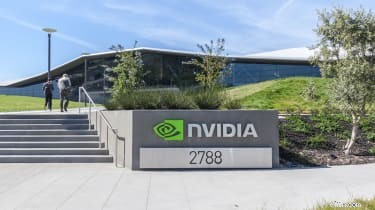
Nvidia has agreed to pay $5.5 million (£4.46 million) to settle the long-standing civil charges accusing the chip giant of attempting to conceal the impact of cryptomining on its gaming business.
Nvidia’s gaming chips had been used to mine cryptocurrency, including Ethereum, since at least 2018.
However, the Santa Clara, Califonia-based company “failed to disclose that cryptomining was a significant element of its material revenue growth from the sale of its graphics processing units (GPUs) designed and marketed for gaming” in its back-to-back quarterly financial results in fiscal 2018.
This violated Section 17(a)(2) and (3) of the Securities Act of 1933 and the disclosure provisions of the Securities Exchange Act of 1934, according to the US Securities and Exchange Commission (SEC).
Commenting on the charges, SEC Enforcement Division’s Crypto Assets and Cyber Unit chief Kristina Littman said that “NVIDIA’s disclosure failures deprived investors of critical information to evaluate the company’s business in a key market”.
It also led to an influx of demand that increased the price of Nvidia’s gaming processors and contributed to the global chip shortage.
“All issuers, including those that pursue opportunities involving emerging technology, must ensure that their disclosures are timely, complete, and accurate,” Littman added.
On Friday, the SEC announced that the charges against Nvidia had been settled for $5.5 million, without admitting or denying the charges. The chip giant didn’t issue any statement on the settlement and didn’t reply to IT Pro’s request for comment.
Nvidia has also taken steps to tackle the issue of its chips being used for cryptomining. In 2021, the company introduced Lite Hash Rate (LHR) technology that prevents mining capabilities on a number of its GPUs, including the GeForce RTX 3060, RTX 3060 Ti, RTX 3070, and RTX 3080.
Nvidia’s global head of GeForce Marketing Matt Wuebbling said at the time that the “software drivers are designed to detect specific attributes of the Ethereum cryptocurrency mining algorithm, and limit the hash rate, or cryptocurrency mining efficiency, by around 50%”.
However, recent reports from Forbes suggest that the LHR lock had been successfully broken by mining software provider NiceHash.
-

Blockchain in iGaming: Transforming the Industry - CoinGeek Live 2020
During the recent CoinGeek Live 2020 conference, one of the key events on Day 3 was a presentation about the impact of blockchain technology on the iGaming sector. Despite being linked to the remote
-

Undervalued Cryptocurrencies: Potential Investment Opportunities for October
Here is the list of top undervalued cryptocurrencies to buy this October for better returnsThere are more than six thousand cryptocurrencies present in the market today. All of these currencies have e
Blockchain
- Tesla Stock Outlook 2025: Unexpected Growth Drivers
- TRON (TRX) Price Prediction: 2025 & 2030 Forecast - Expert Analysis
- John McAfee's Bitcoin Price Prediction: $1 Million by 2020 - Analysis
- Prioritize Savings: Build a Secure Financial Future
- GameStop Stock Surge: Investor Battle & Market Analysis
- Bitcoin's Future: Will Tesla Adoption Drive Value?
- Top 10 Cryptocurrencies to Invest in September 2024
- Top Cryptocurrencies for Potential Gains in November 2021
- Nvidia RTX 3060: Self-Throttling for Cryptocurrency Mining to Prevent Shortages
-
Tron: A Comprehensive Overview of the Blockchain Entertainment Platform
What Is Tron? Tron is a blockchain-based decentralized digital platform with its own cryptocurrency, called Tronix or TRX. Founded in 2017 by a Singapore non-profit organization, the Tron Found...
-
Top Cryptocurrencies by Trading Volume - September Analysis
Top cryptocurrencies by volume are used as an investment model and payment routineThe evolution of cryptocurrency has taken over the world by storm. With thousands of digital currencies crowding the m...