
Accelerate Credit Card Debt Repayment: Strategies & Savings
Credit card companies want you to be in debt. Interest rates and fees are how they make money, so it is in the best interest of the credit card company to require you to only pay a few dollars each month toward your credit card bill. Credit card companies charge you a small percentage of your total debt as your monthly minimum payment and most people go along with their plan.
And why not? It’s a nice feeling to only have to pay $20 a month… at least until you look at the bill and see that of your $20 payment, only $2 or $3 is actually going toward the debt. Not so Fun Fact: If you make minimum payments on your credit card debt, it will take you years to pay them off.
How to pay your credit cards off in half the time
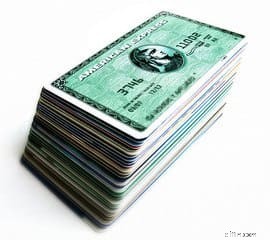 With a little planning and work you can eliminate your credit card debt in much less time than you probably think you can. Use these tips and you will dramatically reduce the time it takes to pay off your credit cards.
Make the commitment – stop using your credit cards.
The absolute first thing you need to do is dedicate yourself to getting out of debt. This means you need to stop using your credit cards. Cut them up, put them in the blender, freeze them in a block of ice… Do whatever it takes to keep them out of reach and remove the temptation once and for all.
Transfer your credit card debt to a 0% interest credit card.
Some credit card companies offer 0% balance transfer credit cards that come with a 0% interest rate as an introductory offer to bring in new customers. I know the last thing you want to do when you are trying to get out of debt is open a new credit card, but this is one time where it is in your favor to do so. It is much easier to pay off debt at 0% interest than it is at 20% or more. Just don’t use the credit card after you open it and transfer the balance, or you will accrue interest on your new debt.
Get organized.
The next step is to make a full assessment of your financial situation. Start by gathering all your bills and list them on a sheet of paper. Be sure to include your credit card bills, rent or mortgage payment, car bills, any recurring bills like cable, internet, cell phones, etc, and any expected bills that may come due in the near future such as annual car insurance, new tires, etc. Next, list all sources of income.
Set a Budget.
Once you have your list of income and expenses, you should create a budget. It may take you a couple months to refine it, but that’s OK. The idea is to get to the point that you know and understand where your money is coming from and where it is going. Give each dollar a plan, and make sure it goes what you want it to do, instead of the other way around. Here is a list of the best budgeting tools to help you get started.
Pay Early, Pay Often.
Here is a little known fact about getting rid of credit card debt: credit card companies are required to apply your payment to your debt the day they receive it. That means paying your debt early reduces the principal, the amount on which you are paying interest. Sending in your payments even a few days early reduces the principal enough to make a small difference. If you get paid twice a month, then send in half of your payment on your first paycheck and the other half on your second paycheck. You can even send in payments more often than that if you come across a little extra money during the month. *Note: Some credit card companies limit the number of monthly payments you can send per month, so check before sending more than a few payments in a month.
Use a debt snowball.
A debt snowball is an efficient way to get out of debt. To start a debt snowball you pay the minimum on each card and you apply any additional money to the card with the lowest balance. When you pay that card off, apply the money you were paying on that card to the card with the next lowest balance. Repeat the process until you have paid off all your credit cards.
Continue your commitment to stay out of debt.
Once you have eliminated your credit card debt it is up to you to stay out of debt. Stick with your budget, and remember not to purchase anything you can’t pay cash for.
Related Post:
How is Your Credit Score Determined?

-
Credit Card Dispute Time Limits: Your Rights Under the Fair Credit Billing Act
Consumers have a right to dispute credit card billing errors under Fair Credit Billing Act. Credit card billing errors happen occasionally and can be corrected when addressed in a timely mann
-

Credit Card Debt Relief: Refinancing vs. Debt Consolidation - Which is Right for You?
budget
- Personalized Credit Cards: A Guide to Photo & Custom Designs
- Understanding the Downsides of Credit Card Use: Financial Risks & How to Avoid Them
- Effective Strategies for Paying Off Credit Card Debt with Cash
- Retirement Debt Solutions: Strategies for Seniors to Conquer Credit Card Debt
- Best Loan Options to Pay Off Credit Card Debt
- Retirement vs. Debt Payoff: Which Should You Prioritize?
- Prioritize Debt: The Smartest Way to Pay Off Credit Card Debt
- Debt Relief: Effective Strategies for Paying Off Multiple Credit Cards
- Maximize Your Credit Card Rewards: A Complete Guide
-
Credit Card Debt Solutions: Strategies for Repayment & Recovery
This article may contain links from our partners. Please read how we make money for more info.This post is sponsored by Debt.com. All opinions are 100% our own. Just because you’ve been tu...
-
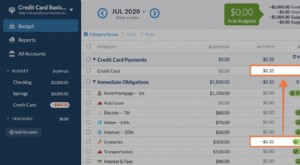 Managing Credit Cards in YNAB: A Step-by-Step Guide
Like your friend Brittany, credit cards in YNAB can be a little extra. Credit cards in YNAB don’t have a positive balance that feeds the budget like checking and savings accounts. In fact, more often...