
Tax Payment Options: What to Do If You Can't Pay
It’s tax time, and that means that you are probably getting your paperwork together, and preparing to pay what you owe. Even though there are many households who don’t pay federal taxes, and you might be one of them, you might find that you have to pay state taxes. If you already have your taxes withheld, it makes things easy. Tax withholdings as part of a regular job simplify the process. You might even have a refund coming!
However, some of us are not in such a position. I have a home business. I pay quarterly estimated taxes, which helps on the federal end, but my state taxes are often due in one big lump sum. Plus, since my business has grown each year since I started it, I usually owe some federal taxes — and, of course, the first quarterly payment is due the same day as the payment for the amount I underpaid by.
Ways to Pay Your Taxes
No matter the reason, even with what you thought was good planning, you could find yourself trying to come up with the money you need to pay federal or state taxes.
Here are some things you can try to meet your obligation:
Pay Taxes from Your Savings
This is the ideal method. Hopefully, you have some money set aside that you can tap into. Yes, you will be using your savings that may be targeted for something else. But it’s better than paying late penalties or fees for late or non-payment.
Raid the Emergency Fund
I admit that I have done this in the past. In fact, I’m doing it this year. After my basement flooded, I had car repairs and some other unexpected expenses, all within the space of a couple of months, the money I had been saving up for my state taxes was pretty much gone. I am tapping into the emergency fund for the state taxes and replacing the money as quickly as possible.
Pay Your Taxes with a Credit Card
If you have room on your credit card, it might be tempting to use it to pay what you owe in taxes. However, using a credit card to pay taxes can be a problem. Most companies will charge you a percentage of the transaction to pay your taxes with a credit card (often anywhere from 2% – 3% of your total bill). That makes it much more expensive to pay your taxes.
If you get the rewards points and can pay off the balance immediately, then it might not be so bad.
But what if you have to carry a balance? The interest charges can quickly override the value of your rewards. Think twice before you swipe your card.
Installment Agreement from the IRS or State Tax Commission
If you are really having trouble paying your taxes, sometimes your best choice is to go to the source. I researched my state tax commission’s policy on installment agreements. I would have to pay a late penalty and interest, but it would still be less than putting it on my credit card, and it wouldn’t set my retirement efforts back. The IRS also offers a very reasonable installment agreement option, with a fee for the loan, and a competitive interest rate. If you owe less than $25,000, you can apply for the agreement.
Withdraw from Your Retirement Accounts
One available option is making a withdrawal from your retirement account. You can borrow from your account, with a plan to pay it back, or you can take an early distribution (just be aware of the pros and cons of retirement plan loans).
For example, you can withdraw your contributions to a Roth IRA without penalty at any time. However, you can’t replace the earning power of that capital in your retirement fund. So be careful. And remember that you might have additional taxes and penalties to pay.
The long-term cost of raiding your retirement account is often substantially higher than other methods for paying your taxes.
What To Do If You Can’t Pay Your Taxes
Benjamin Franklin had it right. If there is anything just as inevitable as death in this world, it is that the government will want to tax you. Whether or not you agree with the taxes you pay or what the funds are used for, you still have to file and pay your taxes each year.
We’re all prone to mistakes. Maybe you put the wrong number down on your W-4 at work. Maybe you had some unexpected bonus income that you didn’t account for to pay tax on, and you have already spent all the money. Sometimes we find ourselves with a big tax bill, but lacking the capability to pay that bill.
If you find yourself unable to pay your taxes to the government, what should you do?
First Things First – Always File Taxes on Time
Your first reaction might be to avoid filing your taxes. If you can’t pay them, why bother, right?
Unfortunately, this is the worst response you can take. It’s essential to file your taxes on time, especially if you owe money. This will help you avoid certain late penalties and interest.
If you find yourself up against the deadline, you can file a tax extension, which gives you until October 15th to file your taxes with the IRS. Unfortunately, it doesn’t give you an extension to pay, just an extension to file. If you owe money, it is due by the standard tax filing date – normally April 15th each year.
If you can’t pay your taxes, you have a few options.
3 Ways to React to Being Unable to Pay Your Taxes
Here are three ways you can react to a big tax bill you cannot pay.
Work with the IRS
The absolute best thing you can do is to call the Internal Revenue Service and work with them to come up with a solution that works for everyone. You will still end up paying the debt, likely with some fees or interest involved, but you will still pay it back. The IRS has an entire department of people dedicated to working with individuals that cannot pay their taxes on time. Don’t ignore this resource.
Borrow Money
Depending on how large the debt is you might be better off borrowing some money from other sources to pay your taxes immediately and pay down your other debt on your own schedule.
You could use a tax payment service (find one at this official IRS page) and pay as little as 1.89% for using your credit card, plus any interest the credit card company charges you.
Another option is getting a personal loan. There are many places you can get a personal loan, including your bank, a P2P lending company such as Lending Club or Prosper, or similar financial institution.
We don’t recommend getting a payday loan, title loan, or another high-interest loan. This will further put you into debt and cause more long-term problems.
Lastly, you could try borrowing money from family and friends, but you would have to explain your personal tax situation to them first.
Settle Your Tax Debt
If you owe a significant amount of money to the IRS, you might be able to settle your debt using something called an Offer in Compromise. While you see many commercials about settling your tax debt that make the promise sound simple and easy, it rarely is. For starters, you have to put in an extensive application (imagine applying for a mortgage and having to lay out every dollar and asset you own; this is similar) and pay a $150 application fee. On top of that, it can take 2 years to settle the debt, and that is if you get accepted. (A majority of tax debts are not settled so don’t count on this.)
The Only Way to Not React
The only way to not react is to ignore the debt. Sticking your head in the sand will not make any debt go away, especially one from the government. Penalties, fees, and interest will build up if you ignore this debt. Even if you can’t pay it, at the minimum you should communicate with the IRS. They might just work out a payment plan you can afford that doesn’t cost you an arm and a leg.

-
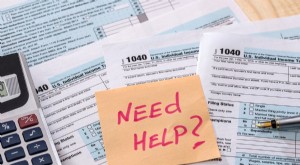
Tax Relief Options: What to Do If You Can't Pay Your Taxes
Owing taxes you can't pay is stressful, but there are options available to avoid t
-

Pension Income and Taxes: What You Need to Know
If youre receiving a pension from a former job, will you be taxed? Everyone looks forward to retirement. Time to relax, and hopefully, reap the benefits of a lifetime of hard work. Maybe you h
budget
- Consequences of Unpaid Bills: What to Expect & How to Manage
- Raising Financially Savvy Kids: Unexpected Benefits of Paying for Chores
- Navigating Job Search Challenges: Strategies for Unemployment & Underemployment
- Student Loan Default: Consequences and What to Expect
- Navigating Financial Difficulties: A 6-Step Plan When You Can't Pay Bills
- Consequences of Not Paying Bills: What to Expect from Creditors & Collections
- What Happens to Outstanding Debt After Death? Legal & Financial Implications
- Dealing with Tax Debt: Options When You Can't Pay
- Dealing with Unpaid Income Taxes: A 3-Step Guide to IRS Resolution
-
 Retirement Planning Software: Benefits & Features - [Year]
Retirement planning software is a commonly used tool in the financial planning industry today. Here are a few things to consider about retirement planning software and what it can do for you. Lo...
-
 Navigating Massive Stock Gains: A Guide for Investors
This is surely a question some people have had to ask themselves this year. Whether it’s Overstock (up a ridiculous 6,300% from mid-March to mid-August), Novavax (at one point up over 4,600% this ...