
Quarterly Estimated Taxes: A Comprehensive Guide for 2024
Do you owe estimated taxes?
The US tax system is a pay as you go system, which means you are supposed to pay taxes as you earn income. This isn’t a problem for many people because their employers withhold their taxes from their paycheck. But if you do not have enough money withheld from your paycheck or if you have additional income from self-employment, investments, real estate, or other means, you may need to pay self employment tax or make estimated tax payments.
Who Needs to Pay Estimated Taxes?
 The money employers automatically withhold from your paycheck is sent in to the IRS and your state if you live in a state that assesses income tax. Ideally, the exact amount of money would be withheld and you won’t end up owing any money or receiving a tax return. However, it’s not always easy to predict your year end income or which deductions you will have throughout the year, particularly if you have unsteady income. Because of this, many entrepreneurs have to deal with self-employment and estimated taxes.
You must pay estimated tax if both of the following apply:
- You expect to owe at least $1,000 in taxes after subtracting your withholding and credits.
- You expect your withholding and credits to be less than the smaller of;
- 90% of your current year tax liability, or
- 100% of the tax shown on your previous year’s tax return.
In other words, the amount of estimated taxes you need to pay to avoid penalties is the smaller of 90% of what you will owe this year, or at least 100% of what you owed last year (110% for high income earners).
Who Does Not Have To Pay Estimated Tax
You should not have to pay estimated taxes if you will owe less than $1,000 in taxes this year, or if your employer withholds enough money through your paychecks. You can adjust your W-4 to withhold more or less money depending on your personal situation. Use the IRS Withholding Calculator to determine how many dependents you should claim, which will affect the amount of taxes withheld from your paycheck.
How To Determine How Much Estimated Tax to Pay
If you have steady income that is not subjected to automatic tax withholdings, or if you have a fairly good idea how much money you will earn in a given year, you can determine how much estimated taxes to pay with estimated tax worksheets or software. IRS Form 1040-ES includes a worksheet to calculate how much you should pay for your estimated taxes. You can also find calculators in most commercial tax software programs like TurboTax and H&R Block Online (H&R Block Review).
Irregular income? It can be difficult for individuals with irregular income to predict how much they will earn in a given year. Thankfully there is a safe harbor rule, which states that as long as you pay 100% of your previous year’s total tax liability in withholding and/or estimated taxes, you’ll be exempt from underpayment penalty regardless of your final tax amount (remember the 90% of current year or 100% of last year rule from above?).
How much per installment? The IRS wants estimated taxes to be paid in equal installments, regardless of when you earn your income. This can be tricky when you don’t know how much you will earn, or if you typically have lean months in the beginning of the year, and earn more money in the latter part of the year. The easy way to avoid this is to follow the safe harbor method mentioned above. But if you want to do it a different way, then I recommend this article about calculating your estimated tax payments.
How I Determine My Estimated Tax Obligations
My accountant bases my estimated taxes based on my previous year’s income, which is how many people calculate their estimate taxes. However, you may wish to reassess your calculation as your year progresses. You may find that your income situation is very different from the previous year and you may end up owing more or less than your estimated tax payments justify. If you owe more, then you can wait and pay them when you file your taxes, as long as you meet the safe harbor minimum as described above. But if you pay too much, you may end up receiving a large tax refund. I recommend consulting with a tax professional if you plan on changing your estimated tax payments during the year.
Estimated Tax Deadlines
Estimated taxes are due four times per year on the dates listed below, or the following business day if the due date falls on a weekend or holiday. (Note the due dates are not spaced exactly 3 months apart):
- April 15th
- June 15th
- September 15th
- January 15th
Note: You must still pay your estimated taxes by the deadline, even if you have filed an extension on your taxes.
How to File and Pay Your Estimated Taxes
There are two ways you can file and pay your estimated taxes: by paper or electronically.
- Pay by mail. Use IRS Form 1040-ES (download pdf here) to calculate your estimated taxes. Then fill out a voucher on the form to send along with your estimated tax payment.
- Pay Electronically. If you prefer to pay your taxes electronically, you can sign up for the Electronic Federal Tax Payment System (EFTPS) to pay your estimated taxes online. It can take up to 2 weeks to receive your PIN in the mail, so plan accordingly.
I usually pay my estimated taxes by mail each quarter. My accountant gives me the estimated tax vouchers for the next year. I place them in a large manilla envelope and set calendar reminders to make the payment and send in the check. You can do the same thing electronically. Either way, the key is to be organized and not miss your scheduled estimated tax payment. Failing to make your payment can lead to penalties and/or fees.
Here are more tips for organizing your tax documents.
Consult a professional for more details
The information in this article should give you a decent overview of how estimated taxes work and how they might apply to your situation. But keep in mind that each situation is unique and this may not cover all people and situations. Your specific tax situation may be different; please consult an accountant or IRS documentation for information specific to your needs.
Additional IRS Resources:
- Publication 505, Tax Withholding and Estimated Tax.
- Estimated Taxes.
- Form 1040-ES.

-
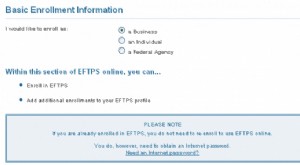
IRS Electronic Tax Payments: A Quick Guide for Individuals & Businesses
Federal taxes will be due in a couple months and now is a great time to get started, even though you probably won’t have your paperwork ready since most employers won’t send out W-2s until
-
Marriage & Taxes: Understanding the Impact & Filing Strategies
Have you recently gotten married? If so, congratulations! Getting married is one of life’s biggest events. It also requires a lot of time and effort to seamlessly merge two households into one. While
budget
- Massachusetts Real Estate Transfer Taxes: Who Pays & Rates
- Small Business Payroll Taxes: A Comprehensive Guide to Calculation & Withholding
- Understanding Cryptocurrency Taxes: A Comprehensive Guide
- Adoption Tax Credit: Benefits, Eligibility & 2020 Value
- Understanding Capital Gains Taxes: A Comprehensive Guide
- Quarterly Taxes for Businesses: A Simple Calculation Guide
- LLC Taxes Explained: A Comprehensive Guide for US Businesses
- Excise Tax Explained: What It Is & Who Pays
- Understanding Tax Returns: A Comprehensive Guide
-
 Understanding & Minimizing Capital Gains Taxes
Most people are familiar with income taxes and sales taxes. Income taxes are automatically withheld from pay or paid by independent contractors, self-employed individuals and some others based on how ...
-
Annual Income from $35/Hour: Salary & Financial Planning
If the figure in the title of this article matches how much you make an hour – congrats! You’re officially making more than the average American. More than 60 million jobs...