
Achieve Financial Freedom: How to Save $100K in 3.5 Years
Saving a large amount of money can seem unrealistic, but with some serious commitment and real dedication it is very much possible. I can say that because I saved over $100,000 in 3 1/2 years -- right after I graduated from college. I did this without any outside contributions, a mortgage, and a single income of $54,000 before taxes.
Here's how I did it:
I started by contributing to my retirement accounts
When I first started working full-time, I didn't have a clue what saving for retirement was. All I knew was that I was being offered free money through my 401k match and I wanted that cash.
As time progressed, it took it upon myself to learn what retirement savings and investing was all about: Asset allocation, diversification, fund types, expense ratios, all that fun stuff. My employer matched 100% of the first 6% that I contributed. By contributing 15% of my salary I was about to save about $40,000 in 3 1/2 years.
If your employer offers a match, you have to take it. It's free money! If you can't afford that much of a contribution right away, raise it by 1% each quarter until you get what's yours.
I kept my expenses low
Keeping my expenses down was a big factor in my savings. After contributing to my retirement account and paying for health insurance, my main expenses were my car ($150), auto insurance ($80) and my mortgage ($900).
"Going out" was hanging out at a friend's house with some Netflix and board games. I also lived close to work, so I didn't have to buy gas too often. My water, wi-fi, and cell phone bills totaled around $170 each month. Whatever I had left over, I tried my best to save.
By packing lunches, working out at home or the park, carpooling, and not dining out too often, I was able to really get my day-to-day costs down.
I saved 40% to 50% of each paycheck -- and anything extra
My first year working, I earned somewhere around $1,350 - $1,400 per paycheck and I tried to save at least $600 from each one. I also saved my annual bonus which was about $1,500 after tax. I always saved the bulk of whatever tax return I got. As a result of all this, I averaged about $18,000 a year in cash savings. In 3 1/2 years, I had well over $50,000 saved in cash from my full-time job.
The biggest and best move I made was to make my cash savings automatic. The money was never in my main checking account, so I never saw it. You can't miss what you don't have!
I started a side hustle
About a year and a half into saving, I became very interested in photography. This interest led me to start my own business. I took a bit of money from my savings, purchased some mid-level equipment, and ended up with a very successful part-time photography business. My business grew very quickly and become very profitable.
With the money I earned through photography, I reinvested what I could into my business and put the rest into savings. The first year I earned around $10,000. The second year I earned around $30,000. Subsequent years I earned more. I worked hard but, to me, it was worth it. Around this time, I also started learning about investing outside of my retirement account, so I used some of the money I earned from my business to do that. These earnings pushed my savings over the $100,000 mark.
By starting a side hustle and treating that money as actual income instead of "fun money", I was able to save way more than I could otherwise.
Saving money long term is not easy, but you can start right now. Make a full assessment of where you currently stand, create a strategy to build wealth, keep your expenses low (budget, budget, budget), automate as much as you can, and stay focused. Over time, and with discipline and dedication, you will see the results -- and those same goals that seemed crazy will become real.
-

Find & Claim Your Unclaimed Money: A Comprehensive Guide
There may be money waiting for you. Every year, the pot of unclaimed money continues to grow, with the rightful owners not staking a claim. Part of the reason this money goes unclaimed is tha
-
Money Order Guide: How to Fill Out & Use a Money Order
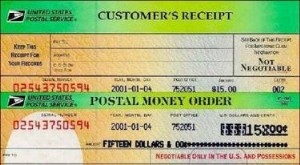
Write a Money Order A money order is a piece of paper that acts like a guaranteed check. A money order can be purchased at banks and grocery stores, as well as several other types of stores.
budgeting
- Manage Financial Stress: Practical Strategies for a Calm Mind
- Accepting Money Orders: A Comprehensive Guide for Recipients
- From Stagnation to Success: A 5-Year Journey to Wealth
- Achieve Financial Independence: A 5-Year Path to $1 Million
- Achieve $100K Savings by 25: A Personal Journey & Strategy
- Achieve $100K Savings: A 3-Year Journey (No Six-Figure Salary Required)
- Boost Your Savings in 2022: Strategies for Financial Success
- Slash Your Expenses: How Moving Abroad Can Save You Money
- Financial Compatibility in Relationships: Navigating Money Differences
-
 Cashing a Money Order: A Simple Guide
It's easy to turn a money order into cash. A money order is considered "as cash" at most banks and businesses, so it is generally easier to cash than a personal check. That...
-
 Track a Money Order: Methods & Recovery Tips
A money order is a document that you can use to pay for something, similar to a prepaid check. If you send someone a money order and want to know whether it was cashed or deposited, you can often chec...