
Send Money Anonymously: A Guide to Money Orders
Giving money to a friend, family member or someone else in need can be an uncomfortable experience for both parties. To avoid the discomfort, you can give anonymously with a money order. The source can be untraceable for the recipient if you don't include identifying information.
Purchasing a Money Order
You can purchase a money order from several sources, including the United States Postal Service, Western Union and MoneyGram. Most limit the value of each money order to $1,000 if you are sending it within the United States. Purchase multiple money orders if you need to send more than this amount. You will have to show some identification, such as a driver's license or state ID, if you are purchasing money orders for $3,000 or more, to comply with anti-money laundering statutes.
Tip
Depending on the provider, you can pay for your money order with cash, debit or credit card or traveler's checks.
Completing the Money Order
Complete the money order with the recipient's name and address, but leave the section for payer information blank. Tear off the receipt from the money order and keep this for your records. It contains an identifying number for tracking the money order. You can use it to find out if it has been cashed. Some providers, like MoneyGram, allow customers to check the status of their money orders by phone.
Sending the Money Order
If you choose to mail the money order, address the envelope to the recipient but don't include a return address to maintain anonymity. Don't use certified or registered mail, as these services require a return address. If possible, drop the envelope off at the person's residence discretely. Include an unsigned note to let the recipient know what the money is for, or that it is a gift. An anonymous money order without explanation could raise thoughts of a scam, causing the person to throw it away or report it. Print the note, or have someone else write it if you think the recipient will recognize your handwriting.
Requesting a Refund
You can get a refund for the money order if it gets lost or stolen, or it becomes apparent that the recipient does not plan to cash it. Submit the receipt you detached from the money order. Some providers, like Western Union, charge a processing fee for the service.
-

Anonymous Money Transfer Methods: Safe & Secure Options
There are several options to send money safely and anonymously to a person, charity or business. Each option can facilitate a safe transfer and avoids the risk of mailing cash and negotiable instrumen
-
![Send Money from Morocco: Fast & Reliable Options | [Your Company Name]](https://www.etffin.com/article/uploadfiles/202109/2021092517421304_S.jpg)
Send Money from Morocco: Fast & Reliable Options | [Your Company Name]
Whether you are studying abroad, in town on business or just visiting the country of Morocco, you may need to send money back home, perhaps to make your mortgage payment, or to help a family member wi
budgeting
- MoneyGram Money Order Tracking: Check Status & Get Support
- Accepting Money Orders: A Comprehensive Guide for Recipients
- Cancelling a Money Order: A Step-by-Step Guide
- Sending Checks & Money Orders: A Simple Guide
- Western Union Money Order Tracking: Find Your Payment
- Money Orders: A Comprehensive Guide to Sending and Receiving
- Cashing a Money Order: A Simple Guide
- Track a Money Order: Methods & Recovery Tips
- Understanding Money Orders: How They Work & Usage
-
 Vigo: Send Money to Latin America & the Caribbean | Western Union
Vigo started as a remittances agent in New York to help migrants send money home to Brazilian communities. Vigo is a money transfer service that was bought by Western Union in 2005. It allows...
-
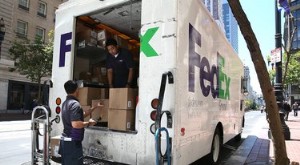 Securely Send Money with FedEx: Cashier's Checks & Safer Options
Two Fedex employees unloading Fedex truck Sending cash through standard mail carries the risk of theft. FedEx offers faster delivery options, with packaging that conceals your money. You'...