
Recovering Lost Money at ATMs: A Step-by-Step Guide
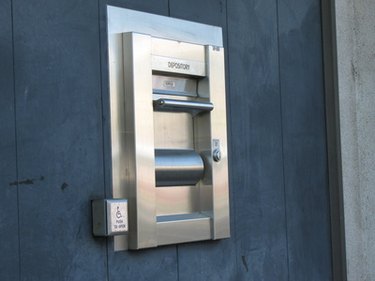
Losing money in an ATM can be a very frustrating experience. Luckily, most ATMs have some type of protocol in the event of a machine malfunction. Most banking institutions may require consumers to file a written complaint and present any corroborating evidence, such as ATM transaction receipts in order to investigate the transaction, while non-banking ATMs may require a different course of action. Contacting a bank institution's customer service department is just one resource for filing a complaint.
Step 1
Save all receipts or any other documentation. This will come in handy as proof of your transaction. Some banks will only accept copies of original receipts. Keep the original receipts for your own personal financial records. Note the transaction's date, time and location and dollar amounts lost.
Step 2
Look at the top, bottom or sides of the ATM for a contact number, if it's the weekend or after normal business hours. Contact the ATM's customer service line. If you are calling about a bank-issued ATM machine, you might be required to divulge your account or social security number and debit or ATM card number to access customer service. The customer service agent will give you instructions on the steps needed to file a complaint. If you are unable to find contact information for a non-bank ATM, such as a toll-free (800) customer service number, contact your state's Consumer Affairs agency to file a formal complaint. (See Resources for state listings.)
Step 3
Go inside of the bank and ask to speak with an account representative or a branch manager, if available. Present your bank receipt, photo ID and ATM or debit card to the agent, if applicable and explain that you lost your money during an ATM transaction. Complete an ATM complaint form, if applicable. Most banks will refund the money immediately after checking the ATMs transaction records or you might have to wait a specified time frame for a refund, depending on the individual banking institution.
Warning
Most non-bank ATMs aren't supervised or monitored by a specific banking institution. If you encounter any fraudulent activity with your account while using a non-bank ATM, contact law enforcement and your individual bank immediately.
-

Accurate Cash Counting: Methods & Tips for Large Sums
Large amounts of cash may be difficult to count accurately. Money drives the societal interactions of the modern world. With the invention of paper money, people were able to carry around lar
-
![Cashing a MoneyGram: Options & Locations - [Year]](https://www.etffin.com/article/uploadfiles/202109/2021092517490501_S.jpg)
Cashing a MoneyGram: Options & Locations - [Year]
How to Cash in a MoneyGram MoneyGram is a service to send people money. You can do this electronically, sending money to someone's bank account or allowing the recipient to pick it up at
budgeting
- Manage Financial Stress: Practical Strategies for a Calm Mind
- Receive Money with MoneyGram at VCom Kiosks: A Simple Guide
- Walmart Money Transfer: Send & Receive Money Easily
- ATM Money Transfers: A Simple Guide to Moving Funds
- Alternative Ways to Withdraw Cash Without Your ATM Card
- ATM Withdrawal Guide: A Simple Step-by-Step Process & Security Tips
- ATM Transfers: How to Move Funds Between Your Accounts
- Send Money Wire Transfer with PayPal: A Step-by-Step Guide
- Lost CD? How to Redeem Your Certificate of Deposit - Bank of America
-
 Cancelling a Money Order: A Step-by-Step Guide
Money orders have a value equal to the cash paid for the instrument. Money orders are financial instruments that have a value equal to the cash paid for the document. As a result, canceling a...
-
 Secure & Convenient Ways to Withdraw Money Online
Money can be withdrawn online if you have a destination and a means of retrieving the physical cash. The Internet can provide you with convenient ways of withdrawing money online without havi...