
Cost vs. Budget: Understanding the Key Differences
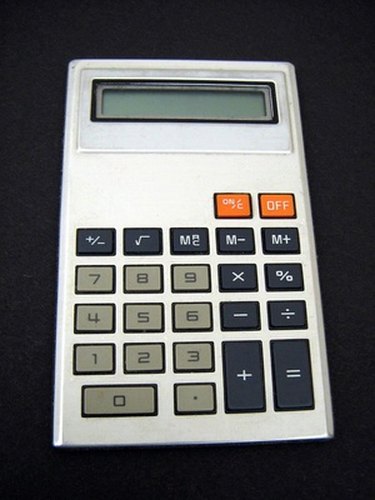
A budget is a guide to spending that ensures all expenses will be paid on time, given there aren't any significant changes. Even if changes occur, a budget comes to the rescue because saving for emergencies should be part of every budget. Think of a budget as a moving picture which takes place over time. Costs are a snapshot in the present and may go down or up in the future.
Time Period
Budgets are developed for different time periods and in several layers of detail. A monthly budget covers all the expenses such as rent or mortgage payments, car leases or payments, utilities, food and gas. What should also be covered are expenses that don't occur every month, such as car insurance, medical bills and vacations. If you know the cost of your annual checkup, divide it by 12 and set aside that amount every month.
Time Frame
Budgets are compiled for the future. The cost of something takes place in the present. In some cases the cost is known for budgeting purposes, such as lease payment. In others the cost, such as medical services, is estimated on what has been spent in the past.
Costs
Costs are what a service or product requires in payment. The payment may be in cash or in payments paid in the future. A house costs more than what most families can afford to pay in one lump sum. A mortgage or loan covers the purchase price of the home, plus the cost, or interest for the loan. In reality the true cost of owning the home may be two or three times the purchase price when the interest is factored into the cost. When figuring the true cost of an acquisition, consider the purchase price and the cost of obtaining the financing.
Income and Outgo
A budget requires estimating both what the income will be and the expected outgo, or payments. Costs only affect the outgo or payments. A budget is adjusted to differences in income. If the family income drops, certain discretionary items such as entertainment will be eliminated, followed by those items that have some leeway in their usage, such as groceries and utilities. Costs are only negotiable before purchase. In other words, if you're buying a new car, the price is negotiable before you buy it, but you can't decide afterward you've paid too much and lower the cost retroactively or adjust the car payments in the future.
-

The True Cost of Obesity: A Financial Breakdown
Weight and finances have been discussed at length on personal finance blogs, but mostly the report [PDF] that put a figure to the staggering individual costs of being obese in America. Dr. Avi Do
-
Budget vs. Spending Plan: Understanding the Difference & Choosing What's Right for You
You might not feel like you have your money all figured out yet, but your palms are itching for some financial control. You’re here! You’re ready to make a budget. Or a spending plan. Or wait, are th
budgeting
- Trustee vs. Fiduciary: Understanding the Key Differences
- Understanding the Relationship Between Marginal Cost and Average Variable Cost
- Structural vs. Seasonal Unemployment: Understanding the Differences
- Earnings vs. Wages: Understanding the Key Differences
- Trust vs. Escrow Accounts: Understanding the Key Differences
- Savings vs. Checking Account Numbers: Why They Should Be Different
- Banking vs. Insurance: Understanding the Key Differences
- Amortized Cost vs. Market Value of Securities: Key Differences
- Fixed vs. Variable Costs: Understanding the Difference for Businesses
-
 Pre-Qualified vs. Pre-Approved for a Mortgage: Understanding the Difference
If you’re thinking of buying a home in the near future, you’ve probably started reading up on a lot of the terms related to mortgages. Mortgages are a type of loan you can use to purchase...
-
Moving Cost Sharing: Strategies for Couples & Roommates
Money tends to be a touchy subject for many people–so don’t be surprised if you run into roadblocks when you and your roommate or significant other begin calculating moving co...