
Effective Strategies to Encourage Saving in Others

It may be challenging to watch someone close to you live a lifestyle in which saving money isn't a priority, especially when you're careful about your finances. Although it's not necessarily your responsibility to guide the individual through the process of setting up a savings account or retirement plan, your reasons outlining the benefits of these practices may spark change in the person.
Discussion Approach
The approach you take to persuade someone to save money depends on your relationship with the person. Find a quiet time to speak to the person and share your concerns that she's not saving enough. Offer assistance in exploring the saving avenues that are best for her, or direct her to a bank's financial adviser. During your conversation, clearly outline some key reasons to save. With a child or teenager, express the importance of saving for future expenses such as buying a vehicle or going to college.
Compounding Interest
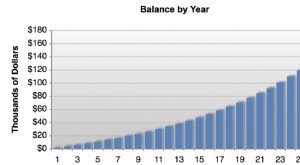
A key benefit to saving as early as possible is the rate at which interest compounds, provided the money is in a high-interest account. Over multiple decades, five figures in the bank can turn into six or seven figures -- but the money needs this amount of time to grow. If you don't start saving until late in your work career, your money won't see significant growth by the time you retire and begin needing what you've saved. Explore venues other than savings accounts; a certificate of deposit is a form of risk-free savings that may yield a higher interest.
Matching 401(k) Contributions
Many businesses contribute to your 401(k), which is ideal if you don't earn a high salary and saving money is challenging. Although every company has a different plan, some companies contribute 50 cents for every $1 you contribute to your plan. If you plan to stay with a certain company for a long period, you might amass tens of thousands of dollars in money from the company.
Big Purchases and Emergencies
Although saving money for retirement is a good idea, maintaining a savings account may provide a financial buffer for large purchases such as buying a home or vehicle. Saved money is valuable around the holidays as you can buy gifts without having to rely on a credit card. Having money stashed away also is important in the event of emergencies such as an unexpected home repair or time off work because of a medical issue.
-
Optimal Savings Rate: How Much Should You Save Monthly?
How much money should you save each month? I get asked this question all the time. Here’s my answer: “Save as much as you can.” Seriously, every 1% you save will have a huge impact on your future net-
-

Save Money on Car Insurance: Proven Strategies & Tips
Disclosure: This post contains affiliate links, which means we receive a commission if you click a link and purchase something that we have recommended. Pleas
budgeting
- Emergency Savings: Quick Steps to Cut Expenses & Manage Finances
- Pottery Barn Savings: Tips & Tricks for Affordable Home Decor
- Financial Planning for Your 30s: Smart Savings Strategies
- Smart Money Saving Strategies for Your 20s
- Pet Insurance Savings: Tips for Affordable Coverage
- 12 Proven Strategies to Boost Your Savings
- Achieve Financial Freedom: Save $100 Daily & Build Wealth
- Effective Money-Saving Strategies: Build a Secure Financial Future
- YNAB: Mastering Budgeting for Effective Savings
-
Wedding Savings Guide: A Practical Approach
Saving for a wedding is really not a heck of a lot different than saving for any big purchase—be it a new car, a big trip, or a home of your own. It takes a good bit of discipline to accomplish the fi...
-
Grocery Savings: Proven Strategies to Reduce Food Costs
If you’re trying to cut costs and save money, food spending is a great place to do it. According to the Bureau of Labor Statistics, food is the third largest expense for most Americans1. But it’s also...