
SaaS Ecommerce: Boosting Speed & Safety for Enterprise Brands
The retail space is competitive and ever-changing.
No one wants to be held to a 12-month launch timeline costing half a million dollars or more for an ecommerce campaign, website or headless commerce initiative.
Now, enterprise brands are no longer strapped to expensive site launches to support ecommerce channel business initiatives.
- Whether you are going direct-to-consumer and need a site to test new product launches before wholesaling to Target and Walmart…
- Or need to take your B2B operations online and provide Target and Walmart’s new millennial B2B buyers with a more streamlined, custom B2B buying experience…
Ecommerce technology is no longer a money pit.
Balancing Speed & Safety
Retail organization become more complex as they scale.
Brand IT teams, engineers and developers must maintain brand safety while also balancing the need for speed from the marketing organization.
Historically, getting to market quickly has implied the giving up of safety.
Or, conversely, making sure the ecommerce technology is safe, reliable and resilient meant slowing down the pace of innovation.
This push and pull between IT and marketing teams has often made ecommerce scalability and innovation for established brands a longed for dream. Something that just was not possible.
As a result, disruptive brands have gone direct-to-consumer with new business models and similar products, building community and brand equity along the way.
And these brands have done so using SaaS ecommerce technologies that lower the cost barrier to launching and scaling an ecommerce business.
Now, more and more enterprise brands are looking to SaaS to better compete in the modern retail ecosystem.
But not all SaaS platforms are the same.
Fred Lebhart, CEO, efelle creative
The Most Popular SaaS Models & Their Security Implications
SaaS platforms are multi-tenant software solutions hosted in the cloud. Their extensibility functions on the use and call power of APIs – which enable micro-service architecture.
It is the APIs which allow the marketing team their innovation, and the business operations teams the proper system syncing.
This is how you build end-to-end systems that enable innovation at speed and don’t break already established internal best business practices.
But, for the IT team, security still needs to be addressed.
All SaaS platforms maintain Level 1 3.2 PCI Compliance, which protocols how to encrypt and manage sensitive credit card information.
But SaaS platforms handle personal data aside from credit card information differently.
Multi-Tenant Differences Between Platforms:
BigCommerce is multi-tenant, but not at the database level.
Our firewalls, load balancers and application servers can accept requests for any store on the platform, but they have to pull that data from the store’s database using a unique set of credentials for authentication.
This means it’s highly unlikely, nearly impossible, for a developer to accidentally expose one store’s data to another.
BigCommerce also does encryption at rest, in which we encrypt the data at AES-128 encryption level in database tables that contain Personal Data.
Shopify is multi-tenant all the way down to the database level.
Shopify does not do encryption at rest, but will soon use Disk Encryption, which will do encryption at rest at the filesystem level.
If someone cracked the filesystem encryption, the database would be exposed (unlikely, but a possibility).
Demandware creates bespoke solutions so it is likely to vary per customer.
It is this difference in multi-tenant data security, in combination with API strength and call volume limitations that win over IT teams from established retailers.
SaaS Use Cases for Established Retailers
But, how then do these retailers implement their new, cost-effective systems?
It varies by brand and their particular problem to solve, but there are 6 typical ways this is done.
- Direct-to-Consumer Implementations
- Online B2B Deployment and Personalization
- B2E & Internal Collateral
- Education & Publishing Vertical Deployments
- Operating Division GTM
- Headless Commerce (API-First)
Big Brands Using SaaS Ecommerce in Their Tech Stack:
- Bliss.
- SkullCandy.
- Toyota.
- Spinning.com.
- Sony.
- Ben & Jerry’s.
- Paul Mitchell.
- Sharp Electronics.
- Avery Dennison.
- Freund.
- Cargill.
- Old Spice.
- Natori.
- Ford.
- QVC.
- Georgia Pacific.
- Kohler.
- Rand McNally.
- Dupont.
- Assurant’s My Wit.
- Powell’s Bookstore.
- Delaware North.
- Carolina Panthers.
- Grand Canyon.
- Detroit Pistons.
- New Chapter.
The Use Case Booklet
From Toyota to Skullcandy and everyone in between, Fortune 500 and enterprise retailers are exploring SaaS ecommerce options for fast GTM while maintaining necessary security protocol.
See who they are, how they are doing it and test drive your own sandbox site.
Direct-to-Consumer & B2C Implementations
Legacy B2B and wholesale brands are needing to launch additional B2C channels.
Here are the top reasons why established brands like Chapstick and Natori are launching direct-to-consumer sites alongside their highly profitable wholesale channel.
Top 2 Reasons Brands Go Direct:
- Test new products in new regions: Being able to test new products in new regions by swinging up sites in those new areas gives established retailers ample testing power, saving them time and money on expensive in-country deployments.
- Build a direct line to what customers are asking: Brands without a direct-to-consumer channel have a huge lapse in time from when they develop an item to when Walmart (or their wholesale partners) will sell it. Why? Because the brand has no way to prove the customer will want the new item. With a direct-to-consumer site, these brands can get imperial evidence in a short period of time by collecting tons of customer data points. For instance, would Heinz have launched purple ketchup if they could have tested it on a direct-to-consumer site?
These direct-to-consumer sites must be cost-effective, meet modern UX standards and pass procurement’s strict requirements for stability and security.
See how these enterprise brands make this work.
1. Bliss World

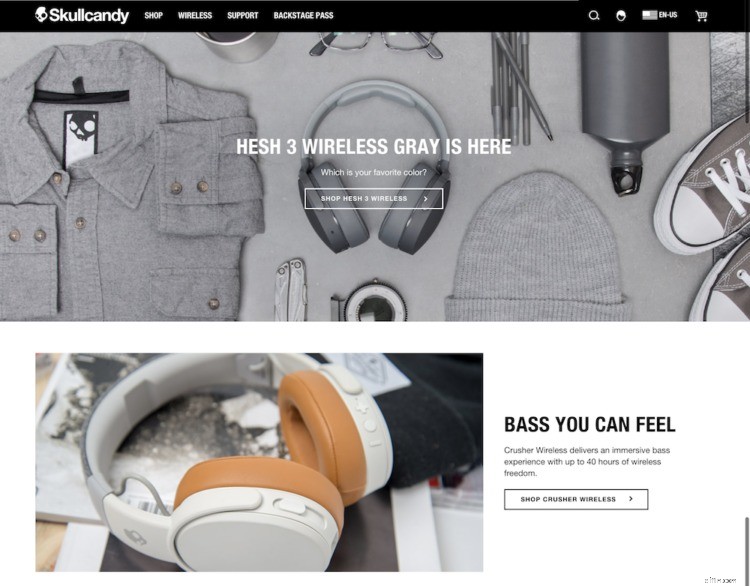
2. SkullCandy
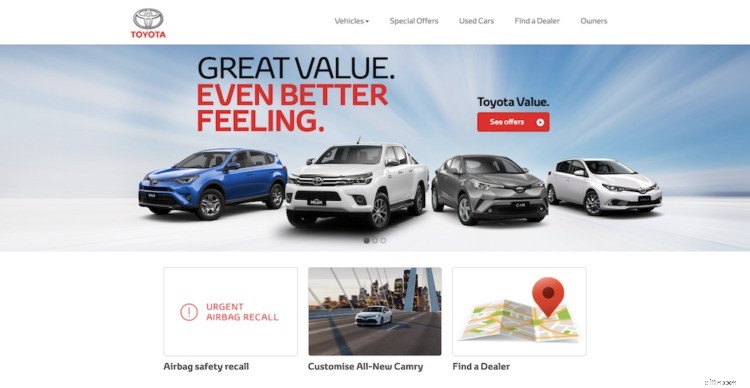
3. Toyota
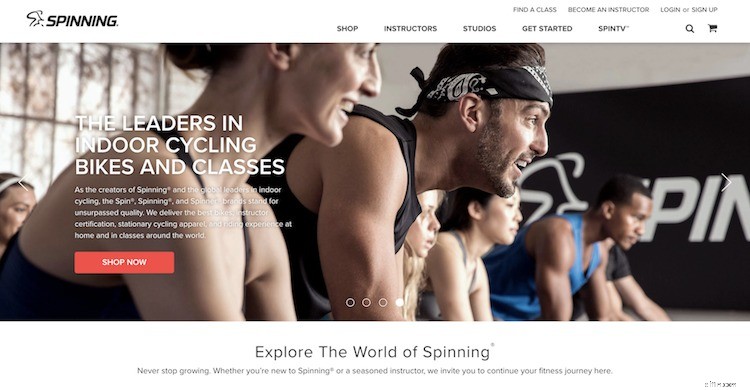
4. Spinning.com
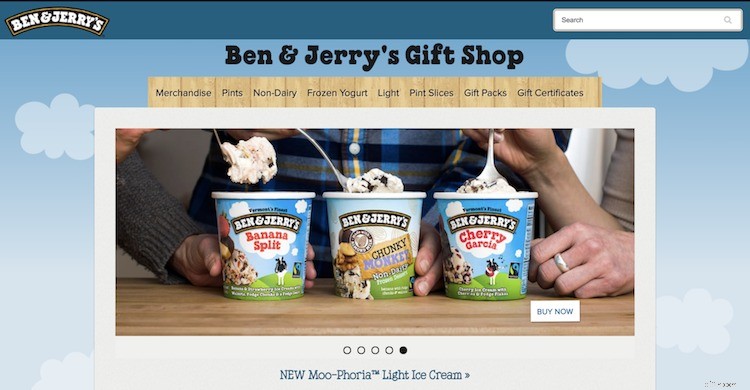
5. Ben & Jerry’s
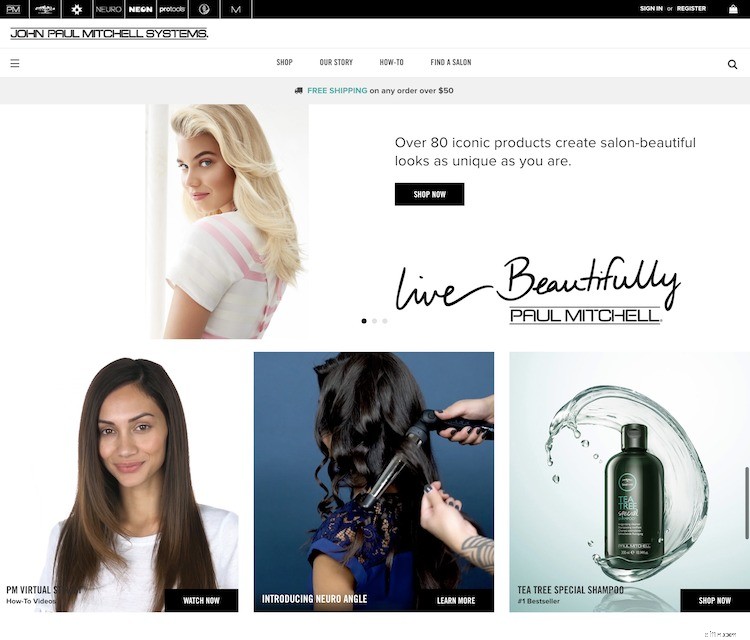
6. Paul Mitchell
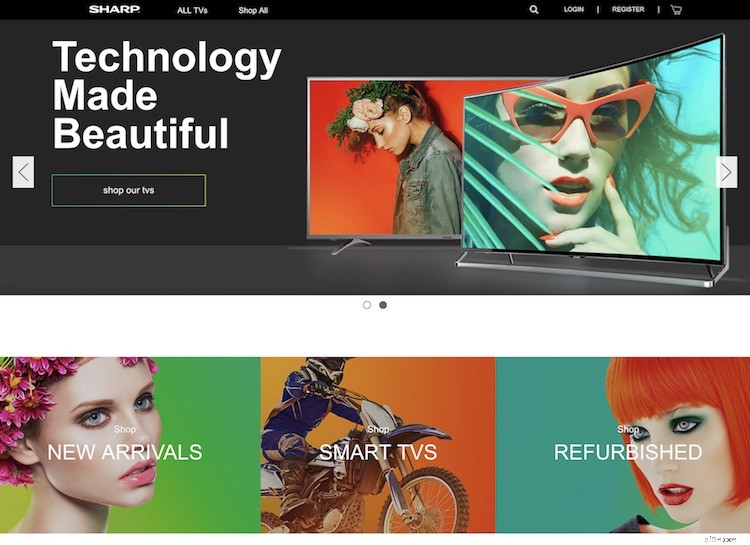
7. Sharp Electronics
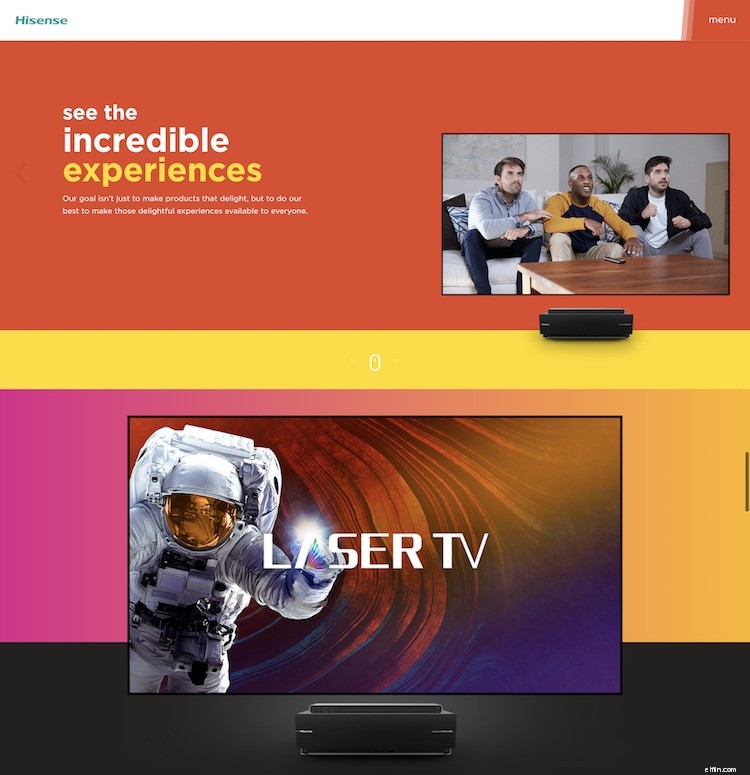
8. Hisense
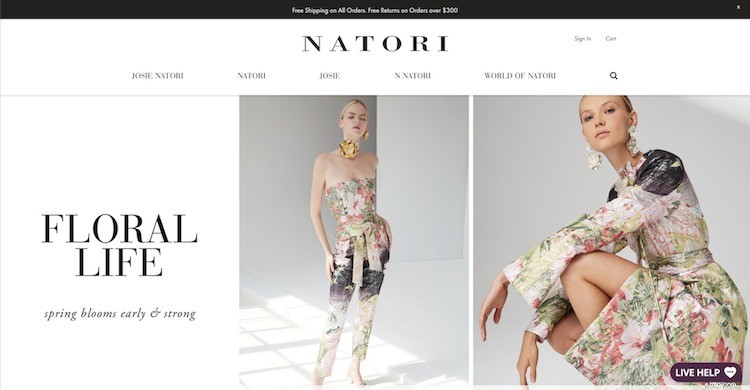
9. Natori
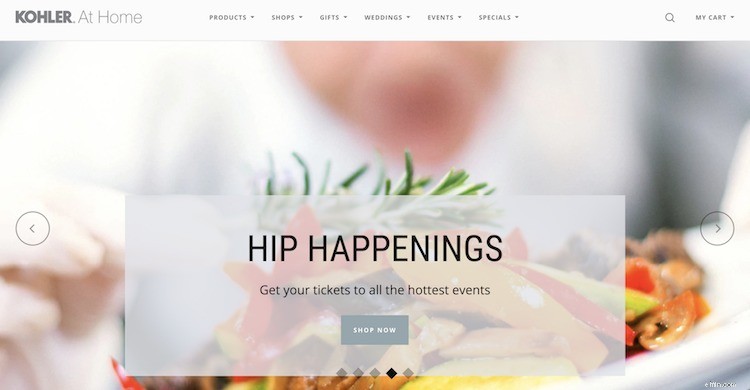
10. Kohler
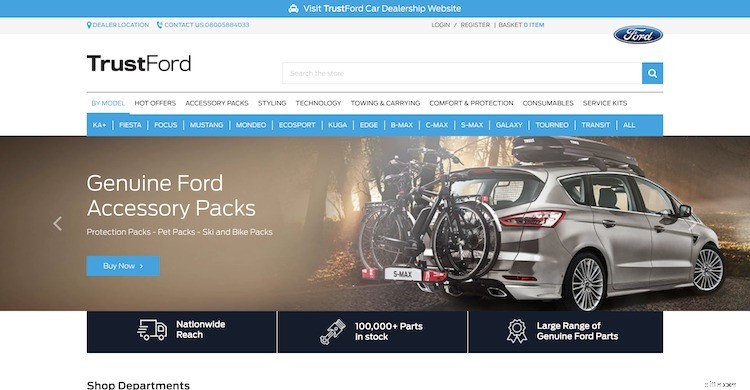
11. Ford
-
U.S. Ecommerce Market: Opportunities & Strategies for Global Businesses
America is the land of opportunity and a superpower in the world of online sales. It has the world’s largest economy and it’s a global leader when it comes to cross-border ecommerce exports and
-

Protect Your Business: A Comprehensive Guide to Ecommerce Fraud Prevention
Ecommerce is a rapidly growing industry with many exciting innovations happening all the time. Customer expectations have never been higher – they want more personalization, instant gratificatio
Business
- Boost Conversions with Explainer Videos: 13 Ecommerce Examples
- Top Tech & Electronics Brands Driving Online Sales Growth
- Top 8 Facebook Ads Tools for Ecommerce Success | [Year]
- Top 11 Technically Innovative Ecommerce Brands of 2022
- Boost Ecommerce Profits: Why Customer Retention is Your #1 Marketing Strategy
- Headless Commerce: A Guide for Enterprise Ecommerce Success
- Open Source vs. SaaS Ecommerce: Choosing the Best Platform for Your Business
- A History of SaaS: From Early Days to Today's Dominance
- Building Trust: Why Brand Reputation Drives Holiday Sales
-
 Understanding the Balance Sheet & Income Statement: A Comprehensive Guide
Balance sheets and income statements are two forms of financial information a company prepares annually, quarterly or even more frequently. They both measure performance over a given period of t...
-
 Cross-Border E-commerce Readiness Checklist: Launch Your Global Business
As you consider cross-border commerce, it is important to evaluate the status of your organization and supporting infrastructure prior to developing a go-to-market strategy. All brands, no matt...