
Understanding Insurance Checks: Legalities & Proper Handling
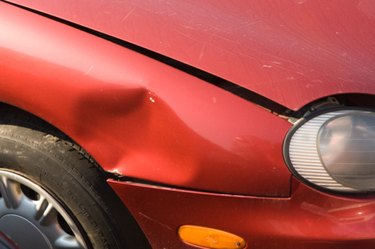
If you receive a check from the insurance company for work completed on your vehicle, medical treatment received or a claim from your homeowner's policy, the company is reimbursing you for the money you already spent. In many cases, they make the check out to the service provider and yourself. In that case, it's illegal to deposit the check in your account since that would require forging the service provider's name.
Types of Claims
You receive checks from insurance companies for a variety of different types of claims. If you've had a house fire or other homeowner's loss, companies pay you the check, particularly if you required the services of several different types of contractors, or they make the check out to you and the contractor. If you still owe money on the house or vehicle damaged the insurance company normally makes the check to you and your lending company. Most of the time checks from health insurance go directly to the provider so you seldom receive a check unless you already paid the bill.
Checks Made to You
Companies frequently make the check to the individual holding the policy and expect them to deposit it into a checking account and then pay the bill. If the company makes the check to you, there is no law against depositing it and spending it elsewhere. However, there are other ramifications to doing that.
Check to Both of You
Unless a bank teller makes an error accepting the check for deposit, you won't be able to put the money in your account unless both parties sign the check. If you do forge the signature of the service provider, you breach the law, since it is forgery. The bank also may question the deposit if it has both signatures since very few providers will sign the back of the check and give it back to you because of fear of not receiving payment.
Other Problems
If the check was in your name and you use it for other purposes, you won't go to jail. However, there are other ramifications when you do that. The provider still requires payment, just as you expect payment when you go to work. When they don't receive it, they can sue you for a bad debt. Once they win the suit, they can put a lien on property, garnish wages or attach a bank account to recover the money you owe them.
No Work, No Problem
If you choose not to have a repair done and simply drive the car with a wrinkled door or bent fender, spending the money on other items instead, it's not a problem as long as you don't owe on it. The value of the car drops if it has damages. The insurance company doesn't suffer a loss because of the drop in value; you do. In reality, all the company is doing is reimbursing you for the drop in value due to a loss.
-

Secure Your Future: Understanding the Importance of Life Insurance
Life insurance is one of those things that we kind of know we need but many of us dont want to deal with getting it right away. Sometimes its hard to even think about
-

Smart Holiday Spending: 5 Expert Tips to Stay on Budget
Many or all of the products here are from our partners that pay us a commission. It’s how we make money. But our editorial integrity ensures our experts’ opi
car
- COVID-19 Car Insurance Rebates: Are You Eligible?
- Insurance Car Repair Payout: Do You Have to Fix It?
- Paying for Collision Repairs: Can You Sign Over Your Insurance Check?
- Diversify Your Portfolio: Stocks to Consider Amid Travel Industry Challenges
- Reinsurance Explained: Risk Management for Insurance Companies
- Checking Insurance Complaints: A Comprehensive Guide
- Group Insurance: How Your Broker Can Secure the Best Coverage
- Group Life Insurance: Understanding Employer-Sponsored Coverage
- Protect Your Retirement: Understanding Longevity Insurance
-
 Choosing the Right Insurance Coverage: Key Features & Agent vs. Company
With insurance prices increasing, it is more important than ever to find the best insurance coverage. Insurance Company vs. Insurance AgentMost people don’t really know that there is a diff...
-
Ski Boat Insurance: Protection for Your Water Sports Adventures
Ski boat insurance is a special type of marine insurance designed to protect your ski boat in case of damage or involvement in a boating accident. What Should a Ski Boat Insurance Policy Cover?Wh...