
Reinstating Your Car Loan: A Step-by-Step Guide
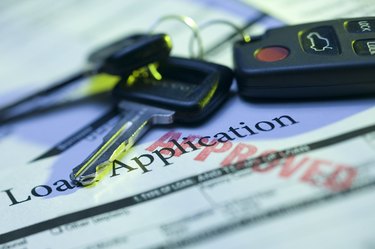
When you finance a vehicle, the vehicle serves as collateral for the loan. Should you neglect to make your payments, your lender reserves the right to repossess the car and sell it to cover the remaining balance of the loan. The amount of time that will pass between the date you stop making payments on your car loan and the date the lender repossesses the vehicle will vary by lender. In many cases, however, you may be able to pay the amount you owe, plus fees, to have the car loan reinstated.
Step 1
Check your state's laws concerning car loan redemption. According to the Federal Trade Commission, some states have consumer protection laws that allow individuals to reinstate their car loans if they are able to pay the past due amount plus any fees that the lender incurred by repossessing the vehicle.
Step 2
Examine your original loan contract for an "acceleration clause." If your car loan contract contains one, paying the past due amount and fees will not be enough to reinstate the car loan. As soon as the loan defaults, the amount due will accelerate. This means that you will not be able to reinstate your car loan without paying off the entire balance of the loan.
Step 3
Contact your lender and ask for a written statement of the full amount necessary to reinstate the loan.
Step 4
Pay the past due amount, plus fees, within the necessary time frame. A lender will not hold on to your car forever while waiting for you to redeem the loan. The standard time frame to reinstate your vehicle loan is 15 days.
Step 5
Ask for a statement in writing that the loan has been reinstated and the date and time that the loan was reinstated. Should your car be accidentally sent to auction, or re-keyed after you reinstate the loan, this document will prevent you from having to pay additional charges to recover the vehicle.
Tip
All of your personal property that is present within the car must be returned to you whether or not you decide to reinstate the car loan. Items such as a stereo, however, are considered a part of the car and will not be returned.
Filing for bankruptcy can prevent a repossession from occurring or result in the court forcing your lender to reinstate your loan.
Warning
Even if you choose to reinstate your car loan, a record of the repossession will still appear on your credit report and damage your credit rating for seven years.
-

Buying a Car as a Minor: What You Need to Know
At what age can you own a car? The short answer is that you can own a car when you reach the age of majority (18 years of age in the United States). While there are exceptions to this rule, the most l
-

Understanding Car Loan Finance Charges: A Step-by-Step Guide
An individual may borrow a certain amount of money to buy a new or used car from a bank or other lender. The loan amount is commonly referred as the principal. Under the car loan agreement, the money
car
- Selling a Car with a Title Loan: A Step-by-Step Guide
- Trading in a Car with a Loan: A Comprehensive Guide
- Removing Your Ex-Spouse from a Car Loan: A Legal Guide
- USAA Car Refinance: Save Money on Your Auto Loan
- Auto Loans for Unemployed Individuals: Options & Strategies
- Canceling a Car Loan: Your Options & What to Expect
- Strategies to Exit Your Car Loan: Options & Credit Protection
- Repossession Recovery: Your Guide to Getting Your Car Back
- Accelerate Your Car Loan Repayment: Strategies & Tips
-
Comprehensive Guide to Loans: Types, Application & Repayment
If you need to borrow money, whether it’s to fund a large purchase or get through a time of financial need, you’ll not only need to know where to go for that money and how to apply for i...
-
 Car Loans with a 720 Credit Score: Rates & Tips
Many or all of the products here are from our partners that pay us a commission. It’s how we make money. But our editorial integrity ensures our experts’ opi...