
Selling a Car with a Lien: A Guide to Legal & Financial Considerations
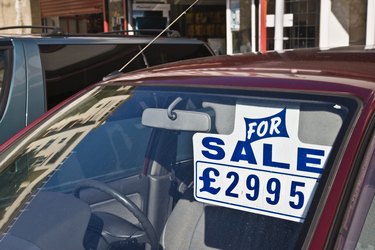
Selling a car you don't entirely own can be a tricky proposition. Your buyer needs a clean vehicle title, and you can't get a clean title until the lien is removed. Whether or not the lien appears on the title itself or shows up only on a motor vehicle search, you face legal risks if you try to sell the car with an outstanding lien.
Financial Liens
Liens often are placed as the result of a financing arrangement with a bank or credit union. If that's the case, contact the lienholder to determine your payoff amount. You may choose to pay off the lien to get the clear title before completing your sale. If not, or if you still owe enough that you can't write that large of a check, getting a release can be simple if you sell your car to a dealership. Car dealers have the experience and resources to streamline the process. It gets trickier when you're making a private sale. You'll need to go to a branch of the bank or credit union with the lien and perform the transactions simultaneously, or place the buyer's money in escrow until a clean title can be received.
Other Liens
Selling a car with a lien gets more complicated when it's the result of another debt, such as overdue child support or court fees. The party seeking child support then becomes a secured creditor, which means she has a financial interest in the vehicle. A lien that isn't a financial lien may not be shown on the title; instead, states may add them electronically. These liens still must be paid before the title can be transferred.
Order of Priorities
Liens are satisfied based on the order they were filed. If you have an auto loan that you used to buy the car, that lender's interest takes precedence over any other lien. As a result, the secondary lienholder doesn't have a great incentive to seek repossession of the vehicle. It also, however, makes it more difficult to sell, since you'll have to satisfy all liens to complete the sale.
Obtaining the Lien Release
Once the obligation is paid, you'll receive a lien release. Take that lien release to the Department of Motor Vehicles or another authorized agent in your state, and the lien will be removed, which allows you to sell your vehicle. In some states, you may be able to sell the vehicle by providing the original proof that the lien was satisfied. If you don't satisfy a lien before you sell the car, both you and the buyer may face legal action from the creditor.
-

Selling a New Car: A Comprehensive Guide for Owners
It is fairly rare for a private car owner to need to sell his brand new car. Newly manufactured vehicles commonly come directly from a dealership. But this situation may occur if you drive home a new
-

Donate a Car Without a Title: A Step-by-Step Guide
Whether you want to get rid of an unused vehicle or have a car that no longer runs, charities will often let you donate a car without a title as long as the car meets their conditions. If you've l
car
- Selling a Car with Issues: A Comprehensive Guide
- Selling a Car as a Gift: A Simple Guide
- Selling a Car with a Rebuilt Title: A Comprehensive Guide
- Maximize Your Car Trade-In: A Dealer's Guide
- Selling a Car with a Cosigner: Your Rights & Options
- Selling a Car with a Lien in New York: A Step-by-Step Guide
- Selling Luxury Cars: A Comprehensive Guide for High-Value Vehicles
- Selling a Car As-Is: A Complete Guide (No Warranty)
- Trading in a Car with a Loan: A Comprehensive Guide
-
Selling a Motorcycle with a Loan: A Step-by-Step Guide
When you finance the purchase of a motorcycle, the lender places a lien on the title. In order to sell the motorcycle, you have to payoff the lien so that the new owner can take control of the vehicle...
-
 Sell Your Car Fast & Easily: The Benefits of Using an Auto Broker
A car broker can provide a good location for selling your car. If you have a car to sell, you could try to sell it yourself. But that means spending money on advertisements and classified ads...