
13 Valid Reasons to Terminate a Home Purchase Agreement
Feeling anxious or regretful during the homebuying process is normal. It's a huge purchase that brings high levels of stress and emotion.
Most of the time, those feelings can be worked through. But there are also situations where your stress over the home purchase could be warranted, and it could lead to backing out of the home purchase.
Here are 13 situations where you could eliminate your financial stress by pulling the plug before closing.
Low appraisal
Andrey Popov/Adobe
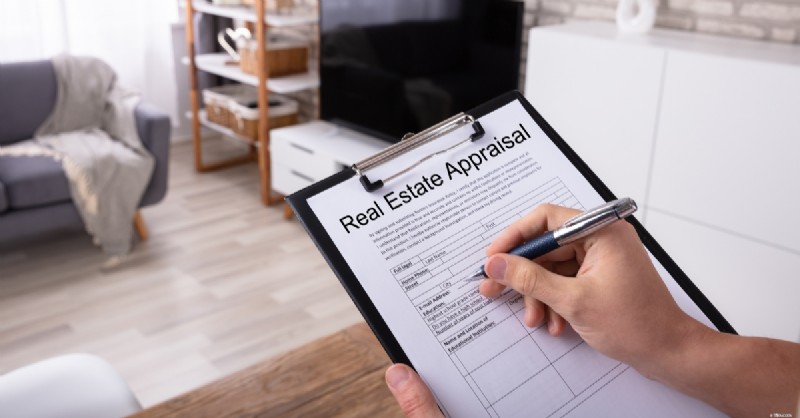
A mortgage lender will only back the amount that they believe a property to be worth. If the property isn't appraised at close to the sale price, then the deal could be in trouble.
If it's significantly less, the mortgage likely won't go through, and the buyer will have to back out. In some cases, the seller may agree to a lower sale price rather than go through the process of relisting.
Agree-upon repairs were skipped
Yuliia/Adobe

After the home inspection, buyers and sellers may negotiate repairs that must be made by closing or credits that the seller offers instead of fixing issues.
If these repairs are not made, then the buyer has the option to back out since the contract has not been met.
The inspection is worse than anticipated
seanlockephotography/Adobe

You go into the inspection, keeping your fingers crossed that it doesn't reveal any deal-breaking foundation issues or major deferred maintenance.
On occasion, though, the inspection report will come back far worse than anticipated. Your contract may allow you to back out, depending on the house's condition.
You lose your job
alotofpeople/Adobe

The bank's assessment of your ability to buy a house is based, in part, on your income. If you lose your job before closing, the bank may be unable to vouch that you can pay the mortgage each month.
And, if you no longer feel comfortable taking on this financial investment, you may have the flexibility to back out.
There are title issues with the house
Anastasiia/Adobe

If the current homeowners don't have a clear title to the home and know who legally owns the home, the buyer has every right to back out.
The last thing you want is someone showing up six months from now claiming the house is theirs.
Boundary lines are disputed
Pcess609/Adobe
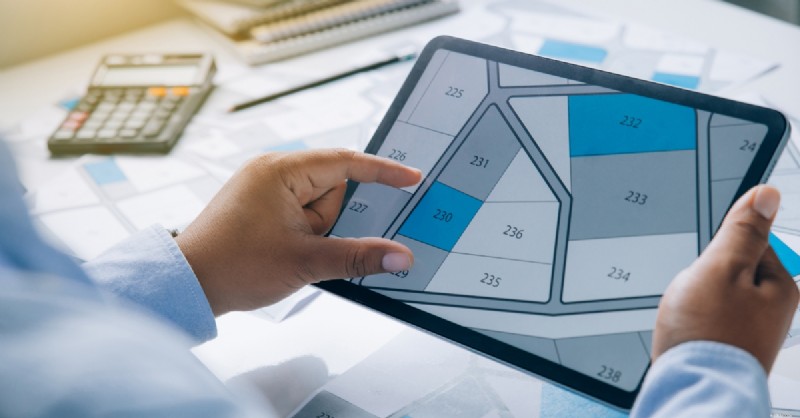
When you put the offer on the property, you expected it to match the square footage or acreage that was advertised.
If you have a survey done during the buying process and it's at odds with what was disclosed, then you may want to reconsider your purchase price or if you want to buy the property at all.
You felt rushed into making a decision
kucherav/Adobe

While you may not have a legal reason to back out, sometimes the only reason you need to back out is that it doesn't feel right.
If you felt rushed into making an offer due to pressure from your agent or theirs, or you jumped on a property because you got caught up in a frenzy, that might be a good reason to back out and restart your search with fresh eyes.
Your old house hasn't sold
arak7/Adobe

Depending on the market, you may be able to include a home sale contingency. This means you'll be able to back out of the sale if your current home doesn't sell.
However, if there are multiple offers in a hot market, this type of contingency generally won't be accepted.
The condition of the house doesn't meet FHA loan standards
Giban/Adobe

Whether your credit is lower than ideal or you can't afford a 20% down payment, Federal Housing Administration (FHA) loans can be great options.
The only issue is that the house has to meet strict requirements, particularly regarding the appraisal. If the FHA appraiser doesn't think the house meets those standards, you'll have to back out.
You find out updates were made without permits
kerkezz/Adobe

Whenever there are significant structural changes made to a property, from adding another bathroom to adding another story, it's necessary to pull permits.
If you find out that updates were made without getting the proper permits, you may want to rethink this house purchase. A lack of permits could mean that these projects weren't made to code.
You have a major life change
Nicholas Felix/peopleimages.com/Adobe

You never know when the dream job across the country might come up, or you could find out that your parents may be moving in with you. These life changes could dramatically impact the type of house you should buy.
If you're already under contract on a house that no longer meets your needs, you may need to consider backing out.
There are outstanding liens on the property
JoshuAA/peopleimages.com/Adobe

If you find out that there is an outstanding lien on the property and the seller can't get it resolved before closing day, then it may be time to run in the other direction.
Liens on a home will complicate the closing process, and it could be a precursor to more significant issues with the home.
You can't shake the uneasy feeling
StockPhotoPro/Adobe

Sometimes, you don't need a reason to take a break from house hunting.
If your house purchase is keeping you up at night and you can't seem to shake the anxiety and nerves, then it might be time to back out of the purchase.
This is a case where the money you'll lose is worth the peace of mind.
Bottom line
fizkes/Adobe

While it is possible to back out of a home purchase after your offer has been accepted, there can be consequences.
For example, you could lose your earnest money deposit if you back out of the contract for a reason that is not included in your contingencies.
Additionally, the seller could take legal action if they believe there were monetary damages as a result of the purchase falling through.
Nevertheless, when you're making the largest purchase in your life, you want to be sure you're comfortable with the result to reduce unnecessary money stress in your life.
- $0 annual fee
- Intro APR on purchases and balance transfers
- Apply Now
- INTRO OFFER: Unlimited Cashback Match for all new cardmembers. Discover will automatically match all the cash back you’ve earned at the end of your first year! There’s no minimum spending or maximum rewards. You could turn $150 cash back into $300.
- Earn 5% cash back on everyday purchases at different places you shop each quarter like grocery stores, restaurants, gas stations, and more, up to the quarterly maximum when you activate. Plus, earn unlimited 1% cash back on all other purchases.
- Redeem cash back for any amount. No annual fee.
- Get a 0% intro APR for 15 months on purchases. Then 17.49% to 26.49% Standard Variable Purchase APR applies, based on credit worthiness.
- Terms and conditions apply.
4.7
FinanceBuzz writers and editors score cards based on a number of objective features as well as our expert editorial assessment.
Our partners do not influence how we rate products.
Apply Now
on Capital One's secure website
Read Card ReviewIntro Offer
Discover will match all the cash back you’ve earned at the end of your first year.
We can help boost your earning potential even further!
Loading...
Confirming Subscription
Loading...
Thanks for Becoming an EXTRA Ultimate Subscriber!
Check your texts
Reminder: Check your inbox as well to confirm your EXTRA email subscription.
-

GDPR Explained: A Simple & Concise Guide for Beginners
What is GDPR? Here’s a Simple Guide to Get You Started If like, most people, you’ve tried to read up on GDPR but glazed-over before you completed the first paragraph, here’s a mor
-
Navigating Market Uncertainty: Should You Invest in Mutual Funds Now?
In 2020, will go down in history books as a year when a pandemic rattled markets across the globe. For many investors who have been around for more than a decade, this is a reminder of the 2008 econom
debt
- Debt Reduction Strategies: A Spring Cleaning Guide
- Save Money on International Calls to Military Families Abroad
- Cosigning a Loan: 6 Crucial Questions to Ask Before You Agree
- Mortgages Explained: Your Guide to Home Loans & Financing
- Unlock Banking Advantages: The Power of Relationship Banking
- Understanding the Credit Impact of Peer-to-Peer Lending
- Negotiate Credit Card Debt: A Step-by-Step Guide
- Personal Loans for Bills: Weighing the Pros & Cons in 2024
- Debt Settlement vs. Debt Consolidation: Which is Right for You?
-
 Understanding GAAP Balance Sheet Format: A Comprehensive Guide
A man is holding a spreadsheet on a tablet. The balance sheet is a financial statement that summarizes a company's financial positions as of a given date, usually the end of a fiscal quar...
-
 Herfindahl-Hirschman Index (HHI): Understanding Market Concentration
The Herfindahl-Hirschman Index is an index that measures the market concentration of an industry. A highly concentrated industry is one where only a few players in the industry hold a large perce...