
Spousal Debt Liability: Understanding Your Responsibility for Your Spouse's Debts

If your spouse owes money, there are times you might have legal responsibility for the debt. This depends on several factors, including your state's laws, whether you have jointly owned assets and whether you made any commitments to the creditor.
Pre-Marital Debt
First some good news: You can't be billed for your spouse's debts incurred before you married. Your spouse's older debts are his own. It can still affect your life together if a creditor garnishes his salary or places a lien on his assets, but that creditor can't garnish your pay or take your house.
However, if you and your spouse co-own a major asset, like a house, it's possible your spouse's creditor can still put a lien on it for a premarital debt. This depends on state law, which varies wildly across the country.
Community Property
If you live in one of the nine community property states, the law says everything either spouse earns during marriage belongs to both of you equally. The same applies to debts: if your spouse runs up a $5,000 debt, you're on the hook as much as she is. If you have a steady income and your spouse doesn't, creditors can use a judgment to garnish your paycheck.
Common Law
The other states apply a common-law standard to marital finances. If your spouse runs up a debt -- except debts for family necessities, such as food -- creditors can pursue him, but not you. The critical exception is any debt both of your names are on. For example, if you take out a joint auto loan to help a spouse who couldn't qualify based on his own credit score, your creditor has the right to squeeze you for the money if he doesn't pay the bill each month.
Joint Ownership
If you own assets jointly with your spouse -- such a bank account or a home -- his creditors may be able to seize half or all the assets, even in common-law states. Typically, creditors can't get more than half the money in a joint account if only one of you is responsible for the debt. Other types of joint property may be completely protected, depending on state law. For example, a house that's jointly owned as "tenancy by the entireties" -- a kind of joint ownership used in some states -- can't be seized for a debt owed by one spouse alone.
-
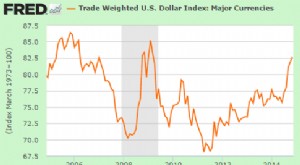
Strong Dollar: What It Means for You - Impact & Effects
You have probably heard it before: At the end of yet another melancholy rant about how bad things are in America, someone inevitably adds “… and then the dollar is so weak, too.”
-

Interest Rates & Forex Trading: A Comprehensive Guide
Interest rates and foreign exchange rates are in a complicated relationship. The understanding of this relationship is hard, but it is also very crucial for successful forex trading. To make money w
debt
- Spouse Responsibility for Deceased's Debt: Understanding Estate Liabilities
- Understanding Bank Levies: Duration and Process
- Driver's License Suspension After a Judgment: What You Need to Know
- Understanding Wage Garnishment and Job Changes
- Checking for Debt Judgments: A Guide to Court Records
- Consumer Impact of Recession: Understanding Economic Downturn Effects
- Understanding Medicaid and Inheritance: Impact & Eligibility
- Unemployment Benefits & Taxes: What You Need to Know
- Chapter 7 Bankruptcy: Understanding the Means Test & Its Impact
-
 Land Contract Taxes: Understanding Tax Implications When Selling Real Estate
Selling real estate by land contract or contract for deed can be an excellent way to turn an unwanted piece of property into a stream of payments over a short or long period of time. These contracts a...
-
 Understanding the Impact of Government Budgeting on U.S. Investors
When government budgeting accounts for new expenses, it may use bonds as a way to fund those projects. Bonds are one of the two ways the government can get money, the other way is by raising tax...