
Understanding Checking Accounts: A Comprehensive Guide
A checking account is a type of deposit account that individuals open at financial institutionsTop Banks in the USAAccording to the US Federal Deposit Insurance Corporation, there were 6,799 FDIC-insured commercial banks in the USA as of February 2014. for the purpose of withdrawing and depositing money. Also known as a transactional or demand account, a checking account is very liquid. To put it simply, it provides users a quick way of accessing their money.
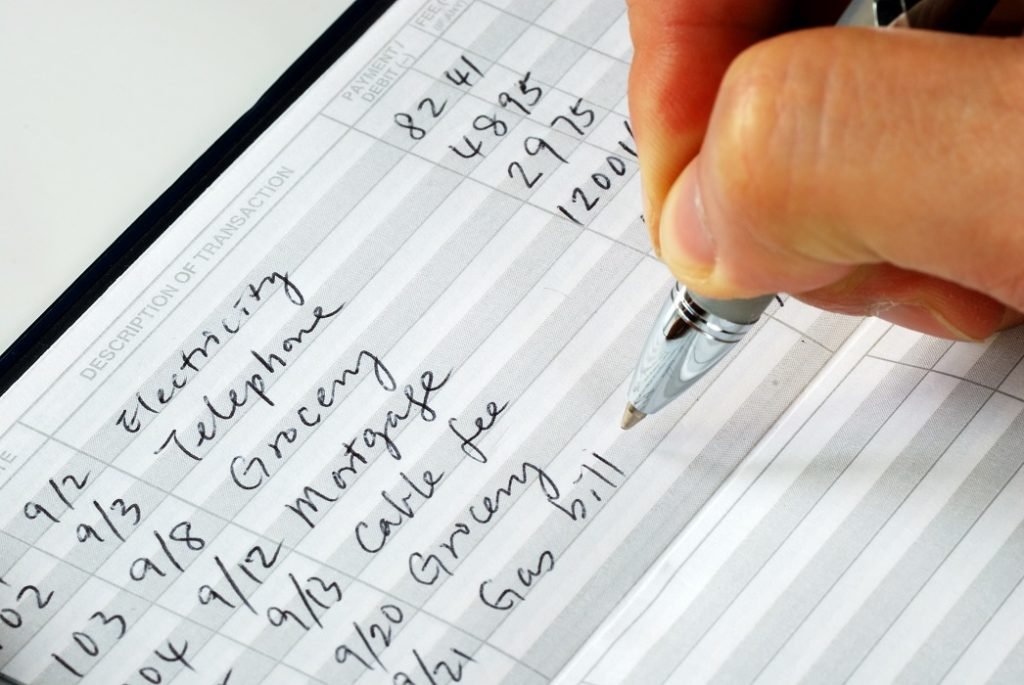
A checking account can be accessed using several options: ATMs, electronic debits, and checks. One characteristic that makes a checking account unique compared to other accounts is that it typically allows users to deposit and withdraw money many times without incurring fees.
Examples of Checking Accounts
There are many types of checking accounts to choose from. For example, one can open a commercial or business account, a joint account, or a student account.
1. Commercial or business account
A business checking account is used by companies and, consequently, it’s owned by the company. This means that any transactions happening in the account must be authorized by the company owner or a person authorized by the owner.
2. Joint account
A joint account is one that is opened by two or more individuals, often marital partners. With such an account, either one of the partners is able to write checksHow to Write a CheckEven though digital payments are continually gaining more market share, it’s still important to know how to write a check. This guide shows you step by step on the account.
3. Student account
There are many banks that offer free checking accounts for college students. The accounts remain free until the student graduates from college.
Choosing a Checking Account
Below are several things to consider when choosing where to open an account:
1. Account Fees
Financial institutions usually charge certain fees on their clients’ checking accounts. It’s important that one compare the fees between banks before opening an account. There can be hidden costs if, for example, the checking account goes below a minimum balance required.
When comparing fees among different banks, an individual should consider their spending habits. If their balance hovers around the zero mark, then the best institution is one that does not come with a minimum balance requirement. Here are the most common fees charged on accounts:
Maintenance fees
Some checking accounts, particularly those held at national banks, charge a monthly maintenance fee. However, there are banks that waive the fee if one meets specified criteria, such as maintaining a minimum balance. It’s important that one reads the fine print before opening an account.
Overdraft fees
These are fees charged when one withdraws a higher amount of money than what is in their account. Overdraft costs are usually expensive. To avoid such fees, individuals may be able to enroll in overdraftBank Account OverdraftA bank account overdraft happens when an individual’s bank account balance goes down to below zero, resulting in a negative balance. It usually happens when there are no more funds in the account in question, but an outstanding transaction is processed through the account, leading to the account holder incurring a debt. protection, which is a feature that prevents one from incurring fees when they overdraw.
Minimum balance fees
Some financial institutions charge their clients fees if their account balance falls below a specified amount. The required minimum varies from one bank to another.
ATM fees
If one is using an out-of-network ATM, then they may incur a fee from the ATM operator and bank. According to a Bankrate survey, the total cost of cash withdrawals from an out-of-network ATM amounted to $4.68, on average, in 2018.
2. Incentives
Keeping a savings account is not the only way that one can earn interest from the bank. Checking accounts may also come with perks in the form of interest earned over time and rewards.
An interest-bearing checking account works in the same way as a savings account. However, the interest rateInterest RateAn interest rate refers to the amount charged by a lender to a borrower for any form of debt given, generally expressed as a percentage of the principal. varies depending on the type of account.
3. Convenience
If an individual leads a very busy life, chances are that he might not be able to keep going to the bank in order to make a withdrawal or deposit. For such people, the best checking accounts are the ones that provide online and mobile access. That way, people can easily check their account balance, pay bills, and make deposits using their cellphone or computer.
4. Customer Service
Thanks to technology, account holders can now perform most of their banking functions online or through mobile applications. However, challenges can arise, forcing the account holder to seek third-party assistance. So, before picking a checking account, one should read online customer reviews to get a rough estimate of the bank’s level of customer support. It’s better to go for a financial institution that provides a few perks but offers excellent customer service.
The Bottom Line
A checking account is a type of bank account that allows people to access their cash easily. It is simply an account for daily expenses. However, it is more than just a place where one can make deposits and withdrawals. It’s the hub of personal finances. With the right bank account, individuals can improve their money management skills.
Additional Resources
CFI offers the Financial Modeling & Valuation Analyst (FMVA)™Become a Certified Financial Modeling & Valuation Analyst (FMVA)®CFI's Financial Modeling and Valuation Analyst (FMVA)® certification will help you gain the confidence you need in your finance career. Enroll today! certification program for those looking to take their careers to the next level. To keep learning and advancing your career, the following CFI resources will be helpful:
- Bank ReconciliationBank ReconciliationA bank reconciliation statement is a document that compares the cash balance on a company’s balance sheet to the corresponding amount on its
- Personal FinancePersonal FinancePersonal finance is the process of planning and managing personal financial activities such as income generation, spending, saving, investing, and protection. The process of managing one’s personal finances can be summarized in a budget or financial plan.
- Service ChargeService ChargeA service charge, also called a service fee, refers to a fee collected to pay for services that relate to a product or service that is being purchased.
- Types of Retail BanksRetail Bank TypesBroadly speaking, there are three main retail bank types. They are commercial banks, credit unions, and certain investment funds that offer retail banking services. All three work toward providing similar banking services. These include checking accounts, savings accounts, mortgages, debit cards, credit cards, and personal loans.
-

Understanding Due to Account: A Comprehensive Guide
Due to Account is an accounting term that denotes a liability account. It is the amount of funds due to another party and is found in the general ledgerGeneral LedgerIn accounting, a General Ledger (G
-
Savings Accounts: A Beginner's Guide to Safe & Simple Savings
What is a savings account?A savings account is a basic type of financial product that allows you to deposit your money and typically earn a modest amount of interest. These accounts are federally ins
finance
- Secured Checking Accounts: Rebuild Credit & Access Banking
- Understanding Checking Accounts: Features & Benefits
- Trust Checking Accounts: A Comprehensive Guide for Trustees & Beneficiaries
- Understanding Account Balances: A Comprehensive Guide
- Understanding Account Numbers: Your Key to Financial Records
- Understanding Account Statements: A Comprehensive Guide
- Understanding Appropriation Accounts: Distribution of Funds & Profits
- Understanding Checking Account Buffers: Prevent Overdrafts & Stay On Budget
- Checking Accounts: A Comprehensive Guide for Everyday Banking
-
 Margin Accounts: Borrowing to Invest & Increase Buying Power
A margin account refers to a type of brokerage account that investors use where they can borrow funds to purchase financial products. Investors are required to pay a monthly interest rate on the amoun...
-
 Wrap Accounts: A Comprehensive Guide for Investors
A wrap account refers to an investment account that is managed by a broker for a flat annual fee. The flat annual fee, which ranges from 1% to 3% of assets under management (AUM)Assets Under Managemen...