
Understanding Account Statements: A Comprehensive Guide
An account statement is a periodic report that is sent to a customer. It contains a summary of account activity within a defined period – usually a month, quarter, year, or other custom periods. Examples of account statements may include credit cardCredit CardA credit card is a simple yet no-ordinary card that allows the owner to make purchases without bringing out any amount of cash. Instead, by using a credit statements, brokerage account statements, and checking account statements.
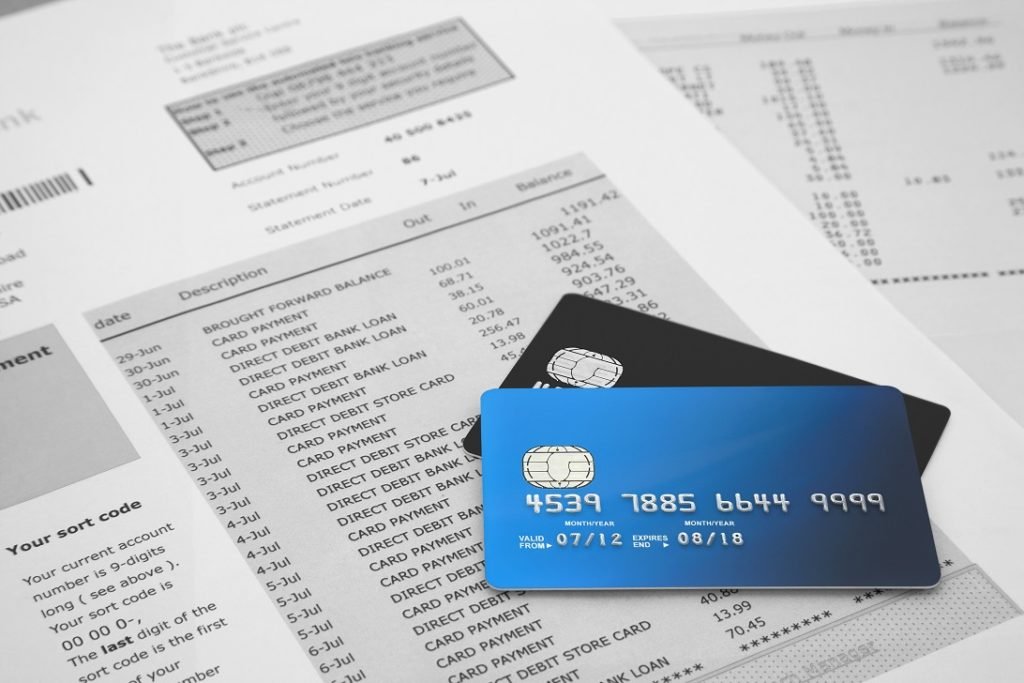
Summary
- An account statement is a summary of account activity over the current period which can be a month, quarter, year, or other defined period.
- The account statement shows a summary of invoices sent, payments received, and other fees associated with maintaining the account.
- An account statement can be generated for any type of account with ongoing transactions such as a brokerage account, insurance account, credit card, or bank account.
An account statement provides important information such as a list of services provided to the customer, fees charged for the service provided, money owed by the customer, and any prepaymentsPrepaymentA Prepayment is any payment that is made before its official due date. Prepayments may be made for goods and services or towards the settlement of debt. They can be categorized into two groups: Complete Prepayments and Partial Prepayments. to the account.
It can also show billings to the customer and payments made by the customer, resulting in an ending balance that can be positive or negative. Companies may send the account statement to a customer to remind them of credits that are still unpaid for the services rendered.
The account statement is sent as a printed document to the customer’s physical address, or electronically to the customer’s email address. Customers may also log into the service provider’s portal and download an account statement for the period.
Understanding Account Statements
Account statements are generated for any type of account with ongoing transactions. For example, credit card holders use their credit cards to make transactions at a point of sale, and the transactions are reflected as they occur.
When the credit card holders pay the credit card debts, the funds are reflected in the account. At the end of the period, the credit company sends credit card bills that show all transactions conducted using the credit card, fees charged, and the current credit card balance that represents debts.
Similarly, online payment processors such as PayPalPayPal HoldingsPayPal Holdings, Inc. is one of the largest online payments companies that allow parties to make payments through online funds transfers. The online payment system offers electronic alternatives to traditional payment methods such as money order and checks. PayPal provides a platform for online vendors, auction sites, allow customers to access credit card statements for any specific duration that the customer is interested in. Any cash payments in and out of the account are shown in the statement, and the ending balance shows the current account balance at the end of the period.
Service providers also send a periodic account statement to their customers, showing the level of consumption, unpaid credits, prepayments, and the amount due for the period. Examples of utility companies include cable TV service, telephone and internet subscription providers, water providers, and power companies.
The companies above generally bill their customers at the end of every month, and they send an account statement detailing all transactions in the customer’s account. The statement shows debits paid to the account, credits received, account maintenance fees, state taxes, and any surcharges included in the account.
Some utility companies charge a fixed fee, which is incurred regardless of whether or not the customer consumes the service or product provided.
Components of an Account Statement
An account statement should provide financial information that gives an accurate overview of the customer’s transaction history during the billing cycle. The upper section of the account statement shows the name, address, phone number, and email address of both the business and the customer. The other components include:
- Date range: The time interval covered by the statement. Generally, the statement can cover a specific month, quarter, or year.
- Opening balance: The starting amount in the account statement and shows the amounts due for the previous period.
- Invoiced amount: The total amount of goods or services that the customer consumed during the current period.
- Amount paid: The total amount that the customer has already paid and deducted from the amount invoiced in the current period.
- Balance due: The amount that the customer is required to pay to the company in the current period. It can be positive (customer owes the vendor money), negative (vendor owes the customer), or zero (all payments have been settled).
Why the Account Statement is Important
An account statement is sent to customers to provide a summary of products and servicesProducts and ServicesA product is a tangible item that is put on the market for acquisition, attention, or consumption while a service is an intangible item, which arises from consumed and billed for a given period. Any amount paid to the account during the period is shown on the statement, as well as any amount that remains unpaid for the billed period, and the billing cycles preceding the current cycle.
The customer also uses the account statement to dispute any transaction that needs to be addressed by the service provider or financial institution.
For example, the amount owed may include additional costs such as penalties for delayed payments, interest charged on the debt owed, overdraft fees, double charges, etc. The additional costs increase the total amount owed, and the customer may require these costs to be reviewed to reduce the debt burden.
The account statement is also important when checking the consistency of records in a customer’s account. The business can use it to verify that a customer’s already paid all the amounts owed to the business, and if there are any missed payments, the business owner can send a payment reminder to the customer.
If there are double charges or double payments captured in the system, the business owner can review and verify all payments to ensure the accuracy of recorded transactions.
For recurring customers who receive an invoiceInvoice Template (Word)This invoice template (word) will act as a guideline for you when creating sales invoices to keep records of transactions. periodically, the account statement makes it easier to view all invoices sent to the customer and payments received from the customer. Any discrepancies are easily detected and rectified.
More Resources
CFI is the official provider of the Commercial Banking & Credit Analyst (CBCA)™Program Page - CBCAGet CFI's CBCA™ certification and become a Commercial Banking & Credit Analyst. Enroll and advance your career with our certification programs and courses. certification program, designed to transform anyone into a world-class financial analyst.
To keep learning and developing your knowledge of financial analysis, we highly recommend the additional resources below:
- Financial Statements for BanksFinancial Statements for BanksFinancial Statements for Banks differ from those of non-banks in that banks use much more leverage than other businesses and earn a spread
- Online Payment CompaniesOnline Payment CompaniesOnline payment companies are responsible for handling online or internet-based methods of payment. Examples include PayPal, Alipay, and Google Pay.
- Personal Financial StatementPersonal Financial StatementA personal financial statement is a document or set of documents that outline an individual’s financial position at a given point in time.
- Forecasting Finance (Equity, Debt, Interest)Forecasting Finance (Equity, Debt, Interest)This article on forecasting finance is part three of the four-step financial forecasting model in Excel. This guide explains how to model debt and interest
-

Checking Accounts: A Comprehensive Guide for Everyday Banking
Simply put, a checking account is a bank account designed to be used for everyday expenses. Checking accounts keep your money safe until you need it. And then allow you easy access when the time comes
-

Understanding Bank Statements: A Comprehensive Guide
A bank statement is a document that summarizes all the transactions that have taken place in your bank account over a period of a month. The purpose of a bank statement is to record and track all your
finance
- Understanding Brokerage Statements: A Comprehensive Guide
- Understanding Account Balances: A Comprehensive Guide
- Understanding Account Numbers: Your Key to Financial Records
- Understanding Appropriation Accounts: Distribution of Funds & Profits
- Understanding Bank Statements: A Comprehensive Guide
- Understanding Checking Accounts: A Comprehensive Guide
- Understanding Deposits: Bank Accounts & Security Funds | [Your Brand/Company Name]
- Understanding Dormant Accounts: Definition, Implications, and State Regulations
- Savings Accounts: Your Guide to Secure Savings & Growth
-
Savings Accounts: A Beginner's Guide to Safe & Simple Savings
What is a savings account?A savings account is a basic type of financial product that allows you to deposit your money and typically earn a modest amount of interest. These accounts are federally ins...
-
Understanding Beneficiaries: Who Receives Your Assets?
Whenever you open a financial account, you’re almost always asked to name a beneficiary. Simply stated, a beneficiary of the account is someone who is entitled to the benefits of the account, ...