
Distribution-in-Kind Explained: Understanding Non-Cash Payments
Distribution-in-kind, also known as a distribution-in-specie, is a payment that is not made in cash. Instead, it is a payment that can be made in the form of physical goods or any other financial instrument that is not cash.
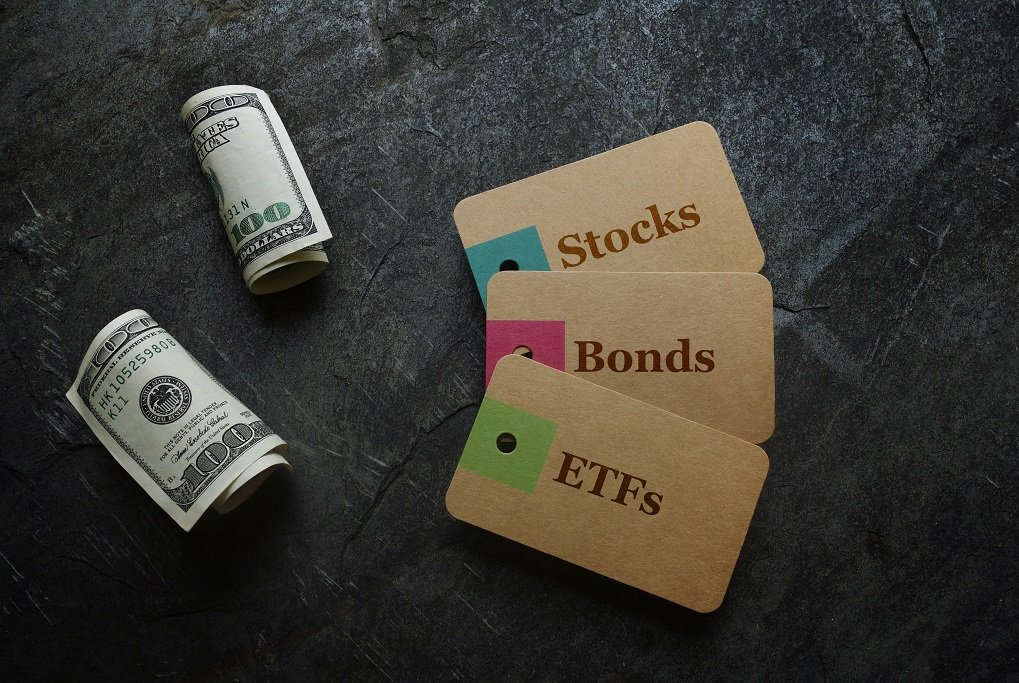
For example, payment can be made using securities, such as stocks, dividends, bonds, or mutual fundsMutual FundsA mutual fund is a pool of money collected from many investors for the purpose of investing in stocks, bonds, or other securities. Mutual funds are owned by a group of investors and managed by professionals. Learn about the various types of fund, how they work, and benefits and tradeoffs of investing in them. It can also be in the form of inheritance, such as property, investments, or any other asset that is not cash. It is beneficial to pay out a distribution-in-kind in cases where cash may not be easily accessible or in situations where it is more practical to execute a payment using a physical asset instead of cash.
When an individual makes a distribution-in-kind, there are a few key points for consideration. The process of transferring a physical asset or an alternative financial instrument may require them to fill out forms at the bank. They can specify if they want to take a portion of the asset in-kind and another portion in cash.
Making Use of a Distribution-in-Kind
A distribution-in-kind is useful because it is a flexible and convenient option for individuals to be paid, especially if the asset is not easily liquefiable. For investors, it is a preferred method for transferring funds if they want to avoid going through the process of cashing out their stocks.
For companies that need to pay out dividendsDividendA dividend is a share of profits and retained earnings that a company pays out to its shareholders. When a company generates a profit and accumulates retained earnings, those earnings can be either reinvested in the business or paid out to shareholders as a dividend. to their investors, they can opt to pay dividends by giving out more shares of stocks rather than cash. For family members who are receiving property as an inheritance, it is also a favored way of receiving payment instead of having to sell the property to receive cash.
Tax Considerations
A distribution-in-kind sometimes leads to more favorable tax outcomes. Businesses and organizations may prefer to use a distribution-in-kind to minimize the amount of taxes they need to pay and to avoid paying the capital gains taxCapital Gains TaxCapital gains tax is a tax imposed on capital gains or the profits that an individual makes from selling assets. The tax is only imposed once the asset has been converted into cash, and not when it’s still in the hands of an investor. that comes from an increase in the value of an asset.
Besides businesses, private investors who keep tax-deferred accounts may also opt to use a distribution-in-kind because it helps decrease taxes. Additionally, investors also prefer a distribution-in-kind because they can record the profit they earn from stocks as part of capital gains rather than ordinary income. It is advantageous to the investor because ordinary income is taxed at a higher rate than capital gains.
Although a distribution-in-kind can be used to offset or mitigate the amount of payable taxes, there is an exception for transactions involving real estate. If a property is sold and the homeowner earns a profit from the sale, then the amount that he/she earns is not exempt from the capital gains tax.
Example of Using a Distribution-in-Kind
In the United States, individuals who are of retirement age are required to withdraw a certain amount of money annually from their individual retirement account (IRA) and/or retirement plans from their employer. The amount that they withdraw is called the required minimum distribution (RMD), and it must be taken out of their account to avoid tax penalties.
However, the amount that they take out does not need to be in the form of cash. Instead, they can withdraw the RMD in-kind because doing so allows them to transfer the securities into a taxable account. Moving your securities to a taxable account means that if your securities go up in value due to appreciation, then the profit that they can earn will be taxed as capital gains rather than ordinary income. It is beneficial because the capital gains tax is lower than the ordinary income tax rate.
Related Readings
CFI offers the Commercial Banking & Credit Analyst (CBCA)™Program Page - CBCAGet CFI's CBCA™ certification and become a Commercial Banking & Credit Analyst. Enroll and advance your career with our certification programs and courses. certification program for those looking to take their careers to the next level. To keep learning and advancing your career, the following resources will be helpful:
- ConsiderationConsiderationThe term “consideration” is a concept in English law that refers to the price paid in exchange for the fulfillment of a promise. Its main characteristic is that the promissor must give a promise of something that is of value, and the promisee must give something of value in exchange. In simple terms, anything of value that is promised by one party to another can be viewed as a consideration.
- Dividend Per Share (DPS)Dividend Per Share (DPS)Dividend Per Share (DPS) is the total amount of dividends attributed to each individual share outstanding of a company. Calculating the dividend per share
- Electronic CheckElectronic CheckAn electronic check is an electronic version of the conventional paper check. It is a form of online payment where money is withdrawn from
- Virtual CurrencyVirtual CurrencyVirtual currency is a type of unregulated digital currency. It is not issued or controlled by a central bank. Examples of virtual currencies include Bitcoin
-

Representativeness Heuristic: Understanding Cognitive Bias in Investing
Representativeness heuristic bias occurs when the similarity of objects or events confuses people’s thinking regarding the probability of an outcome. People frequently make the mistake of believ
-

Momentum Trading: A Comprehensive Guide to Riding Market Trends
Momentum trading is a type of trading strategy that seeks to capitalize on securities that are moving in a particular direction. This strategy utilizes the motto of the tren
finance
- Omnichannel Marketing: A Comprehensive Guide for Businesses
- Overconfidence Bias: Understanding Its Impact & How to Mitigate It
- Understanding Risk Tolerance: A Guide for Investors
- Understanding Speculators: Strategies and Risks in the Market
- Understanding Loan Conditions: What Lenders Require
- Approved Lists in Investing: A Comprehensive Guide
- Blockchain Explained: A Simple Guide to Understanding the Technology
- Financial Planning: A Comprehensive Guide to Achieving Your Financial Goals
- SIMPLE IRA: A Comprehensive Guide for Small Businesses
-
 REIT vs. REOC: Understanding the Key Differences for Investors
As an investor, it is important to know the differences between REIT vs REOC. A real estate investment trust (REIT) and a real estate operating company (REOC) are types of real estate companies t...
-
Personal Budgeting: A Beginner's Guide to Financial Control
Mastering personal finance is like learning any new skill. It takes time, practice, and patience. Most people who start caring about personal finance realize that they’ve made a few financial mistakes...