
FHA Loans: Your Guide to Government-Backed Mortgages
FHA stands for the Federal Housing Administration. An FHA loan is a mortgage that is insured – or backed – by the federal agency. In other words, an FHA loan is a government-guaranteed mortgage. The loan enables individuals with lower credit scoresFICO ScoreA FICO score, more commonly known as a credit score, is a three-digit number that is used to assess how likely a person is to repay the credit if the individual is given a credit card or if a lender loans them money. FICO scores are also used to help determine the interest rate on any credit extended to secure money to purchase a home. It is often ideal for first-time buyers with either weak credit or simply not much established credit.
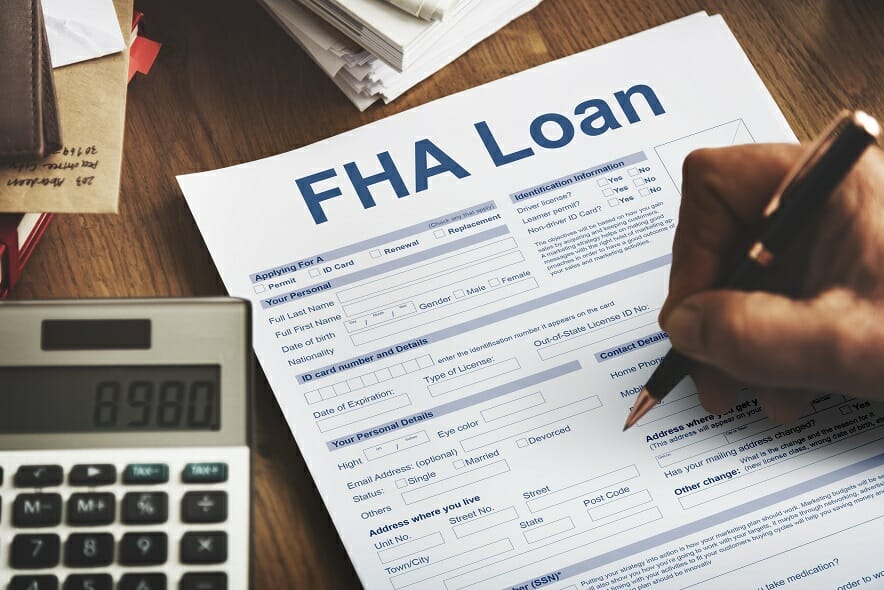
The borrower must pay for mortgage insurance premiums against the loan, which helps protect the lender if the borrower defaults, and allows the borrower to pay a fraction of the somewhat standard 20% down payment cost.
History of the FHA
The Federal Housing Administration (FHA) was established in the 1930s to address the widespread and catastrophic foreclosures, defaults, and bankruptciesBankruptcyBankruptcy is the legal status of a human or a non-human entity (a firm or a government agency) that is unable to repay its outstanding debts caused by the stock market crash and subsequent Great Depression.
The US housing market took one of the largest hits during the Great Depression. The FHA was designed to ensure that banks and mortgage brokers obtain some sort of repayment guarantee. It was ideally created to help stimulate the housing market by making affordable and obtainable loans available to large numbers of people, many of whom lost everything during the economic crisis.
Today, the FHA and the loans they offer are basically major IOUsPromissory NoteA promissory note refers to a financial instrument that includes a written promise from the issuer to pay a second party – the payee – to a lender on an individual’s behalf. The FHA takes on the responsibility of repaying the debt should the borrower fail to pay. It doesn’t remove the borrower from obligation. However, it makes it a lot easier for individuals to take out a loan and purchase a home in a situation where, otherwise, he or she would be unable to secure a home loan.
Benefits of FHA Loans
There are a variety of benefits to FHA loans. One of the main benefits is the ability to purchase a home with an incredibly low down payment, e.g., as low as 3.5% of the home’s value. Other loan programs typically involve a significantly higher down payment and/or require the borrower to achieve an excellent FICO score (credit score).
Another benefit comes with assumable FHA loans. Buyers can assume someone else’s FHA loan, simply picking up in the repayment process where the previous borrower left off. This practice might enable the assuming borrower to reap the benefits of lower interest ratesInterest RateAn interest rate refers to the amount charged by a lender to a borrower for any form of debt given, generally expressed as a percentage of the principal. if the loan was originated during a time when interest rates were substantially lower than at the time the loan is assumed. If the buyer needed to obtain a new mortgage, it would come with a higher interest rate and correspondingly higher mortgage payments.
Simplified Qualification Process
FHA loans are generally easier to qualify for than conventional loans are. There are a few things to keep in mind when checking into the qualifications for this type of loan:
- Seeking out multiple lenders is important. Each lender can and will set its own standards that must be met to qualify for an FHA loan. If the standards set by one FHA-approved lender appear unreasonable, or just unmanageable, simply try another lender.
- No minimum income limit is required to be approved for an FHA loan. An individual simply needs to generate enough income to show they are capable of repaying the loan. FHA loans are typically marketed toward individuals that fall in the lower income bracket
- Low credit scores are not the end of the world. With FHA loans, low credit scores often make a person more likely to be approved. This is because FHA loans are designed and geared toward helping single individuals and families looking to purchase their first home.
FHA loans offer individuals, especially those with more meager credit histories, the opportunity to secure funding to purchase a home. Paying attention to qualification requirements and looking at more than one lender increases a person’s chances of securing an FHA loan.
Additional Resources
CFI is the official provider of the global Commercial Banking & Credit Analyst (CBCA)™ Program Page - CBCAGet CFI's CBCA™ certification and become a Commercial Banking & Credit Analyst. Enroll and advance your career with our certification programs and courses.certification program, designed to help anyone become a world-class financial analyst. The following CFI resources will be helpful in advancing your financial education:
- Mortgage-backed Security (MBS)Mortgage-Backed Security (MBS)A Mortgage-backed Security (MBS) is a debt security that is collateralized by a mortgage or a collection of mortgages. An MBS is an asset-backed security that is traded on the secondary market, and that enables investors to profit from the mortgage business
- Promissory NotePromissory NoteA promissory note refers to a financial instrument that includes a written promise from the issuer to pay a second party – the payee –
- Real EstateReal EstateReal estate is real property that consists of land and improvements, which include buildings, fixtures, roads, structures, and utility systems. Property rights give a title of ownership to the land, improvements, and natural resources such as minerals, plants, animals, water, etc.
- Tangible AssetsTangible AssetsTangible assets are assets with a physical form and that hold value. Examples include property, plant, and equipment. Tangible assets are
-

Signature Loans: A Comprehensive Guide for Borrowers
It’s often easier to get approved for secured loans that require collateral, like your home or car. However, many people don’t like the idea of putting their personal property at risk. That’s why ma
-

USDA Loans: Your Guide to Rural & Suburban Homeownership
Homebuyers looking to escape the hustle and bustle of city life may long for a quieter life in the country. But anytime you’re considering making a major lifestyle change, finances can become
finance
- Loan Administrator: Understanding Their Role and Responsibilities
- FHA Plus Loan: Reduce Closing Costs & Homeownership in Virginia
- Collateral Explained: What It Is & How It Works
- Understanding Interest: Costs & Rewards of Borrowing and Lending
- Leveraged Loans: Definition, Features & Who Uses Them
- Understanding Loans: Definition, Types & How They Work
- Loan Servicing Explained: What It Is & How It Works
- Starter Loans: Build Credit with Low or No Credit History
- Understanding Liens: A Comprehensive Guide to Property Rights
-
 What is a Stock Loan?
A stock loan is a type of transaction that commonly occurs between two different stock brokers. This type of transaction is also known as a securities loan. Here are the basics of a stock loan a...
-
Personal Loans: A Comprehensive Guide to Understanding and Applying
When you need money–whether it’s to consolidate debts, pay for an emergency, or get caught up on everyday bills–a personal loan is one option you might consider. Personal loans are j...