
Understanding Fair Credit Scores: Ranges & What They Mean

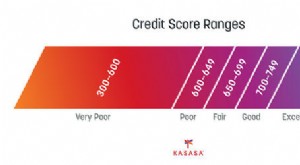
Fair credit scores fall at the lower end of the credit-scoring spectrum. For FICO, they generally range from the upper 500s to the mid-600s. Fair VantageScore® credit scores fall in the low- to mid-600s.
But it’s up to individual lenders to decide what scores they consider to be fair, and that range can vary by lender and the credit-scoring model the lender uses.
Even with some variability between lenders, knowing how your credit scores stack up can help you understand what types of credit, interest rates and terms you might qualify for. While you’ll typically be able to get a credit card or loan with fair credit, you’re more likely to qualify for better rates and terms with higher credit scores.
To give you a better understanding of how fair credit compares with other credit score ranges, let’s look at what different scores mean, the difference having good credit can make, and what you can do to improve your scores.
You may have many different credit scores
It can be tough to figure out how your scores stack up because you don’t have just one credit score. You may have many different scores, and it’s unlikely that any of those scores are the same. There are several reasons for this.
First, lenders may use multiple credit-scoring models, and different models have different scoring ranges. For example, VantageScore 3.0 and 4.0 as well as FICO® Score 8 and 9 range from 300 to 850. But industry-specific FICO scores that help predict the likelihood a person will repay a specific type of loan, such as an auto loan or credit card, range from 250 to 900. And older versions of the VantageScore range from 501 to 990.
Second, each credit-scoring model weighs the criteria it uses to calculate scores differently.
Third, each consumer credit bureau — and there are many — may have different information that it uses to generate a score. So your scores may vary based on the credit score model used or information that the bureaus have on you.
Credit score ranges
Even with so many different credit scores, it’s helpful to have a general idea of where your credit scores fall and what they mean, so that you have an idea of what to expect when you apply for credit.
Here’s a breakdown of credit score ranges for several popular scoring models.
Lenders decide what different scores mean
While the tables above provide a general guideline of how lenders view credit scores, every lender has its own criteria for defining different credit score ranges, which may or may not match what you see here. For example, one lender may consider a score of 675 to be good, while another lender defines it as fair.
And don’t forget that while credit scores are important criteria used in lending decisions, they’re not necessarily the only ones. Lenders may also look at your ability to repay, debt-to-income ratio and other factors when deciding whether to approve an application for credit.
Why it’s important to have good credit scores
Having good credit scores is important because it can lead you to …
- Better credit card offers — Credit card issuers typically reserve their best offers for people with excellent credit.
- Lower interest rates — In general, people with higher credit scores are more likely to qualify for lower rates on personal loans, auto loans, mortgages and other types of credit, because lenders tend to view them as less of a credit risk.
- Lower insurance premiums — In some states, insurance carriers can use credit-based insurance scores to help determine insurance premiums. In general, people with better credit pay less.
- More rental options — Landlords typically run a background check — which may include a credit check — before renting an apartment or a house to a tenant. Depending on the rules of your state, if you don’t have a solid credit history, a landlord may choose not to rent to you.
What’s next?
If your credit scores currently fall into the fair or poor category, don’t panic. There are things you can do to help improve them. First, make sure you pay your bills on time and in full every month, because late payments negatively affect your scores. If remembering to make your payments is a struggle for you, consider setting up auto pay.
Second, try to keep your credit utilization ratio low. The amount of debt you owe compared to your available credit plays a significant factor in the calculation of your credit scores, and lowering your ratio can benefit your credit. Finally, apply for new credit sparingly and don’t open too many accounts at once.
While you’re working to improve your scores, it’s important to make sure that everything on your credit reports is accurate. You can get a copy of your report from each of the three major credit bureaus for free once a year at annualreport.com. If you find any errors, work to resolve them as quickly as possible.
Learn what your score means: 640 650 660 670 680 690
-

Cashback Credit Cards: A Comprehensive Guide
Cashback is a credit card perk where a percentage of eligible purchases made on the credit card is paid back to the cardholder. The concept of cashback gained mainstream traction in 1986 whe
-

Credit Analysis: A Comprehensive Guide to Assessing Credit Risk
Credit analysis is the process of determining the ability of a company or person to repay their debt obligations. In other words, it is a process that determines a potential borrower’s credit ri
finance
- Understanding Credit Scores: What They Are & Why They Matter
- Understanding FICO Scores: Your Key to Creditworthiness
- Understanding Bad Credit Scores: What You Need to Know
- Understanding Average Credit Scores: What You Need to Know
- Understanding Credit Scores: What's Average & How to Improve
- Understanding Bad Credit Scores: Causes & How to Improve
- Understanding Credit Scores: What's a Good Score & How to Achieve It
- Understanding FICO Scores: Your Comprehensive Guide
- Understanding Fair Credit Scores: What They Mean & How to Improve
-
 Understanding the Highest Possible Credit Score (850)
It’s the Bigfoot of the financial world; a perfect credit score. AKA, the highest score a person can get. This mythical and elusive number for the FICO Score is 850. And, for those unaware, FICO...
-
 Credit Scores by Age: Understanding Trends & Building Credit
Have you reviewed your credit report lately? You should — it’s definitely a smart thing to do. More than ever, Americans are actively aware of their credit history and the impact their financial effor...