
Navigating Bear Markets: Investing with ETFs
Investing in a bear ETF, or one that is based on a downturn in the market, may be a good strategy if the prospects for the stock market are low. A bear market ETF provides a way for an investor to benefit from the low expectation of the market's performance and provide some investment return for the owner of the contract.
Exchange Traded Funds
Exchange traded funds mirror their index performance by matching the investments that make up the index. In the case of a bear market ETF, the performance is based on derivatives and other securities that are predicting a prolonged downturn in the overall market.
ETFs are similar to mutual funds, but vary slightly. Whereas a mutual fund is actively managed and seeks to outperform the general market, an ETF seeks to perform in the same way as the underlying index that it is tracking. This means that an ETF is passively managed and should have a fee structure that is lower than that of a comparable mutual fund. As with any type of investment, ETFs is subject to the risk of loss.
Market Condition for Bear ETFs
If you believe the general outlook that the market will go down for a prolonged period of time, at least 2 to 3 quarters, investing in a bear ETF makes sense. Investing in a bear ETF when the market is experiencing an upswing or general rise however is not a good idea since the return in the bear ETF will be much lower than what you would find in a corresponding bull ETF.
When hedging bets about the direction of the market, which is hard to predict over a sustained period of time, you need to put in the time and research to justify taking this type of approach. Be careful to always take the time to research your information and use many different sources of information before you make a decision.
The Suitability of Bear ETFs
Bear ETFs represent a risky investment strategy that is best left to those individuals with greater investment experience. If you purchase ETFs without the assistance of a broker or investment counselor, you will be subject to greater losses and no recourse in the event that your hedge is on the wrong side of the market. Be certain to carefully examine your investment strategy and goals because a bear ETF may not help your overall portfolio. You should really know what you are doing before you invest in this type of fund.
Further Research on Bear ETFs
It is a good idea to research information on the NASDAQ trading system. Particularly, you should read through all information that pertains to the construction of these investments and how the bear ETFs work, relative to various conditions in the market. This information will be found in the prospectus for the fund and will be of value to you as you make a decision to purchase or not purchase a bear ETF.
-

Oil Fund Investing: A Simple Way to Access Oil Market Returns
Investing in an oil fund can provide you with a way to speculate on the price of oil without worrying about the hassle of a futures contract. There are several will funds that you could consider
-
Bullet Trade: Profiting in Bear Markets with Options - A Comprehensive Guide
Using the bullet trade is a high-risk investment technique that is utilized with options. Here are the basics of the bullet trade and how you can make money with it during a bear market. Utilizi
Fund information
- Navigating Bear Markets: Strategies for Investing During Downturns
- Foreign Stock ETFs: A Guide to International Investing
- Passive vs. Active ETF Investing: Which Strategy is Right for You?
- Understanding Sector ETFs: A Guide to Targeted Investment
- Silver ETFs: A Simple Way to Invest in Precious Metals
- Invest in Brazil: A Guide to Brazilian ETFs for Emerging Market Exposure
- Healthcare ETFs: A Beginner's Guide to Investing in Healthcare
- Understanding Bear Markets: Causes, Characteristics & Impact
- Navigating Crypto Bear Markets: 4 Investing Strategies
-
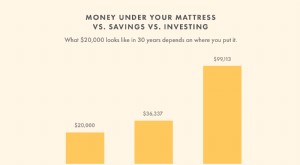 Understanding Bear Markets: What Investors Need to Know
The securities market can’t climb forever. Eventually prices will begin to fall. We call this period of decline a “bear market.” It’s not the end of the world for investors, but it’s a concept you sho...
-
 Understanding the Current Market: Is a Bear Market Here?
You can’t be blamed for feeling a little anxious about the stock market over the last couple of years — especially in the first few weeks of 2022. After more than a decade of unprecedented growth, ...