
Rent Abatement: Understanding Tenant Rights & Property Damage
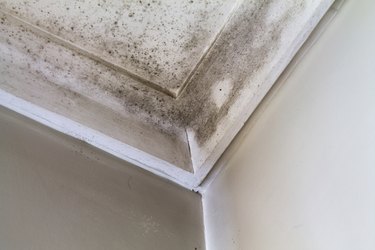
Hazards that affect a home's habitability and diminish a rental property's value or usefulness may qualify for a type of rent reduction process known as rent abatement. Rent abatement differs from rent withholding or "rent strikes," which entail skipping all of the rent payment until a valid repair request is met. Research your local and state rent-abatement laws or consult an attorney before taking this course of action, as it may require you to file a lawsuit and could result in eviction if executed incorrectly.
A Basic Tenant Right
Residential rental agreements carry certain basic rights that protect tenants from poor property maintenance and unhealthy or unsafe living conditions. The basic right to property enjoyment, a habitable property, a certain amount of privacy, the ability to repair the premise and deduct expenses from the rent when a landlord won't repair the rental are all examples of such protections. The ability to abate, or decrease the amount of money owed based on a rental's diminished condition, is also a basic right that may or may not be expressly written into a rental agreement. It also may not be enforceable in every state. Furthermore, many jurisdictions don't allow landlords to deny, or cause tenants to waive, these basic rights.
Rent Abatement Period
The rent abatement period, during which the tenant only pays a portion of the rent, depends on the reasons for rent abatement and the official court decision. Abatement may last days or weeks, depending on the time frame needed to bring a property up to habitable standard. During this time, the rent a landlord loses out on may be recovered through the landlord's insurance company. The money a tenant saves during the rent abatement period may be applied toward temporary housing costs, such as a hotel room or short-term rental.
Accounting for the Damages
The amount of rent reduction during abatement may be calculated in two ways. The landlord may reduce the rent owed by a certain percentage. For example, if one-quarter of a rental is unusable or uninhabitable due to faulty plumbing, the tenant may owe 25 percent less rent for the abatement period. Another way to calculate abated rent is by finding out the diminished value of the rental due to its defective condition and reducing the rent accordingly. For example, if a rental home's fair market rent is $1,000, but its diminished condition causes it to be worth only $500 a month, the tenants rent is half off.
Handling it in Court
Rent abatement usually requires you to file a lawsuit in court. Depending on the amount you are requesting to abate, you either file in small claims court or superior court. You can also file for retroactive rent abatement -- a refund for rent already paid on a rental in substandard condition. In some jurisdictions with specific rent abatement ordinances, tenants must follow a protocol before taking it to court. For example, tenants may request an inspection by city officials when a landlord fails to fix a problem. If the landlord then fails to comply with the city's requirement to repair the home, the tenant may request a rent abatement hearing in front of a health and public safety committee, which decides the outcome.
-

DeFi Explained: A Beginner's Guide to Decentralized Finance
The Beginner’s Guide to Decentralized FinanceIf you’re diving deep into the world of cryptocurrency, you have probably heard the term “DeFi” used to describe a variety of new protocols and assets. Fi
-
0x: A Comprehensive Guide to Decentralized Ethereum Trading
What Is 0x? 0x is a decentralized exchange for trading ERC 20 tokens. (See also: What Is ERC 20 And What Does It Mean For Ethereum?). It is among the most high-profile examples of decentra
home finance
- Eviction Moratorium & Rental Assistance: What Renters Need to Know
- Landlord Refusing Rent? Know Your Rights & Legal Options
- Understanding Effective Rent: A Guide for Renters & Landlords
- Gross Potential Rent (GPR): A Real Estate Investor's Guide
- Rental Application Requirements: Documents You'll Need
- Understanding the DU: Your Mortgage Approval Explained
- Roommate Rent Issues: Rights, Options & Legal Steps
- Understanding PCM Rent: A Guide for International Renters
- Understanding Rent Expense: Definition & Significance
-
DB(k) Plans: A Hybrid Retirement Solution for Employers & Employees
The DB(k) plan is a type of retirement plan that is available for employers. This type of retirement plan combines features from the 401(k) plan with features from a defined benefit pension plan...
-
 Understanding Regulation Z: Your Rights as a Borrower
Regulation Z is a consumer-protection regulation that compels lenders to disclose the cost of credit in a clear way for consumers. Whether you’re applying for a mortgage or dealing...