
Using Land as a Down Payment for a Home Loan: What You Need to Know
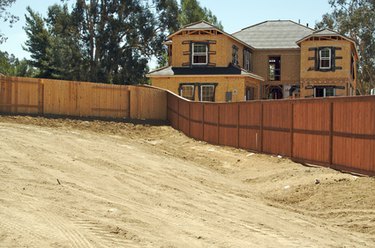
You can use a piece of land you own for the down payment on a home loan. This is even true if you are seeking a loan to build a home on the property you currently own. However, since the land is vacant, there are several considerations that will determine the size of the loan you achieve. Further, you may face higher interest rates by using land as the down payment on any loan rather than placing a cash down payment.
Step 1
Determine the value of the land you would like to use as collateral. You will need the original deed to the land to show ownership. You will also need a current appraisal of the value of the property. The lender will want to know what the collateral is worth prior to issuing any loan.
Step 2
Get a builder to estimate the cost of building your home. The builder will provide a good faith estimate of the cost to build a home on the property to your specifications. The builder will also quote the estimated value of the home once construction is complete. This number will be the total cost of building your home; since you already own the land, only the cost of construction must be provided through a loan.
Step 3
Contact a mortgage lender for approval on a loan. The lender will consider the size of loan you are seeking against the estimated value of the property once the home is built. For example, if the builder estimated the home would be worth $250,000, and you need a $200,000 loan to complete construction, the lender is extending a loan worth 80 percent of the value of the property. This means your down payment, i.e. the value of the lot, would need to be 20 percent.
Step 4
Provide additional down payment where necessary. The lender may ask you to supplement the land down payment with a cash down payment. This is particularly true if the quality of the land is in question. For example, land that has not yet been graded and plumbed is often valued lower than land that is "builder-ready." Therefore, you may need to add more money to ensure your down payment is high enough.
Step 5
Pay closing costs. Even if you are using land as a down payment, you will need to provide the lender with cash to close. Closing costs typically range from 3 to 5 percent on a mortgage loan.
Tip
You may consider a hard money loan against the land for the building process. Many mortgage lenders will require you refinance your loan after the final home is in place, and the value of the home may change at that point. A hard money loan will use the land as collateral for temporary financing to pay for the construction only. You will only seek a mortgage after the home is built in this model.
Things You'll Need
Deed to the land
Appraisal of land value
Construction plans and estimates
-

Land Financing: A Comprehensive Guide to Funding Your Land Purchase
Buying a parcel of land to farm or build upon has many benefits but you'll have to jump through more hoops to finance such a purchase. Many lenders steer clear of land financing due to the increas
-

Home Buying Myths: Down Payment & Closing Costs Explained
Misconceptions are common in our daily lives. Statements we accepted as fact often turn out to be incorrect. Albert Einstein failed his math class. George Washington had wooden teeth. You cant buy a h
home finance
- Understanding Your Rights: Stopping a Payday Loan Before It's Too Late
- Calculate Your Loan Payments: A Simple Guide
- Using Vehicles as Mortgage Collateral: Options & Considerations
- Using Collateral for a Home Down Payment: A Guide
- Leverage Your Land: Using Vacant Land as Collateral for an Equity Loan
- Leveraging Land as Collateral for a Home Loan: A Comprehensive Guide
- Land Loans with No Down Payment: Your Guide to 100% Financing
- Your Guide to Saving for a Home Down Payment
- Down Payment Savings: A Comprehensive Guide for First-Time Homebuyers
-
 FHA Land Loans: Financing Your Future Home Construction
You may qualify for a Federal Housing Administration land loan if you plan to build a house on the property within a specific time frame. This loan is also known as the construction to permanent loan....
-
 Refinance Your Manufactured Home: A Step-by-Step Guide
Whether you decide to refinance your manufactured home to get a lower interest rate or go from an adjustable rate to a fixed rate mortgage, the process is similar to refinancing a stick-built home. Th...