
How to Choose the Right Stock Broker: A Comprehensive Guide
Selecting a stockbroker or brokerage firm can be handled in one of two ways: you can choose an individual broker, or you can choose a brokerage firm and then find a broker within that company. When shopping for a broker, it's likely that you'll begin to come across a few names over and over again. It stands to reason that a broker's reputation will go a long way in helping you to decide with whom to do business.
Both a firm's size and membership on the stock exchange can affect its reputation. Large national firms are known throughout the world; however, a small local firm may be renowned within its local community. If a stock brokerage firm is a member of the New York Stock Exchange, its brokers have most likely passed the exams given by both the Exchange and the National Association of Securities Dealers (NASD). In addition, the rules of conduct for member firms of those organizations tend to be more stringent.
Another consideration when choosing a broker is his or her area and level of expertise. If a broker's main proficiency is in bonds or commodities and you're interested in stocks, it might be wise to continue your search until you find a professional with specialized knowledge in your particular field of interest. Additionally, make it a point to ask about the fee structure for custodial services, account management, and transaction costs; and inquire about how the broker is specifically compensated.
Above all, you should feel comfortable with your broker's investment philosophy, and you should also be comfortable talking to him or her personally. Before making your final decision, be sure to review the brokers' employment history, licensing, and whether they've ever been disciplined or had any customer complaints or violations of NASD regulations. This information can be obtained on the NASD website.
Here are a few additional tips to keep in mind when searching for a broker:
Be aware that many stockbrokers make their living solely on commissions from trading securities. In such a case, the broker may be biased toward encouraging you to make frequent changes to your portfolio. Brokers who encourage excessive trading, known as churning, in order to earn more commissions may be exposed to lawsuits and should be avoided. On the other hand, if the broker is paid a salary, he or she may have sales quotas to meet in order to cover some of the fixed costs of the firm.
Be aware that most brokers are not financial analysts; don't assume, therefore, that they're experts in all aspects of investing. If you need information about stocks that your broker doesn't actively follow, he or she should be able to obtain the relevant information from the in-house research department or from other sources available to the brokerage firm.
Finally, be aware that brokers are professionally prohibited from offering unsuitable investments to their clients. For example, if a broker suggests a risky, speculative security when your investment objectives are income production and safety of principal, the broker could be held accountable for your losses. To protect yourself, always state your objectives in writing and give a copy to your broker. Don't rush into suggested investments if you're not sure about them. Ask for additional information and weigh the advice or recommendations carefully before making your decision.
-

Prime Brokerage vs. Custody: Understanding the Differences
Broker showing apartment to a young couple Brokers and custodians, along with clearinghouses, are the primary trade facilitators in a trading cycle. While brokers initiate trades and clearing
-
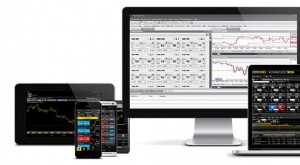
Vestle Review: A Comprehensive Analysis of a European Forex Broker
Vestle: Formerly known as IFOREX is the European trading arm of ICFD Vestle is the European trading arm of ICFD limited which was formerly known as IFOREX, one of the large
invest
- Understanding Brokerage Churn: Risks and How to Avoid It
- Discount Brokers: What They Are & How They Work
- How to Choose the Best Forex Broker: A Comprehensive Guide
- Floor Brokers: How They Facilitate Stock Trades & Market Insights
- Market Making: Definition, Requirements & FINRA Qualifications
- How to Choose the Right Stock Broker: A Comprehensive Guide
- Best Forex Brokers for Beginners: A Comprehensive Guide
- Selecting a Reputable Commodity Futures Broker: A Comprehensive Guide
- Select the Best Stock & Options Broker: A Comprehensive Guide
-
 Gross Revenue vs. Gross Income: Understanding the Difference
Revenue does not always translate into profitability. Gross revenue and gross income are two critical figures for an analyst evaluating the health of company. While gross revenue indicates ho...
-
 Understanding Brokerage Accounts: A Comprehensive Guide
Opening an account at a brokerage firm is as easy as opening a bank account. The investor is required to provide basic personal information, such as occupation and social security number, as wel...