Top 10 Index Funds for Smart Investors | [Year]
People learning how to start investing may find the number of investment options overwhelming. One way to narrow down your list of choices is by choosing a particular method, such as index investing. But even if you’ve determined you want to be an index investor, you may wonder what the best index funds available are.
The answer to that question depends on each person’s investing goals, timeline, and many other factors. Thankfully, plenty of index fund options exist for most types of investors. The trickier part is finding the specific ones you want to invest in.
Below, we cover 10 popular index funds other people are investing in, as well as the basics of index investing you should know.
In this article- Why you might invest in index funds
- Fidelity ZERO Large Cap Index Fund
- An easier way to invest in index funds
- FAQs
- Bottom line
Why you might invest in index funds
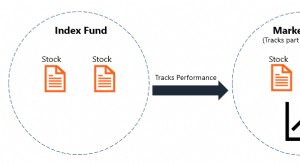
Index funds are a type of passively managed investment that aim to track the returns of an index. For example, an S&P 500 index fund attempts to mimic the S&P 500. S&P stands for Standard & Poor, which is the company that created this benchmark index.
Index funds generally purchase the same assets that are held within an index. If the index changes, the index fund typically buys or sells investments to mimic the changes of the particular index. This allows the index fund to essentially mirror the returns of the index.
Index fund investing allows you to own a wide variety of investments by purchasing a single fund. It simplifies investing and helps with the diversification of your portfolio without requiring you to buy each asset within the index.
These funds aren’t perfect, though. Fund managers have to oversee index funds, which means fees are involved to cover those costs. These fees reduce your returns slightly, but the reduced return is often worth the ease of owning an index fund versus building your own portfolio and managing it.
Index funds can be in the form of either mutual funds or exchange-traded funds (ETFs). Mutual funds update their current net asset value, which is roughly equivalent to the share price of a stock, once per day and can’t be traded on the open market during market hours. ETFs allow you to buy and sell them during market hours and their pricing updates throughout the day. ETFs usually have lower costs than mutual funds, but both types of index funds are often considered low-cost investments compared to actively managed funds that try to beat the market.
We’ve compiled the below list of popular index funds to give you an idea of some choices in the market so you can determine which might be a good fit for you. We included various fund types to offer options for people with different investing goals while keeping a particular eye on low-cost index fund options. Consider how these funds could help you meet your investing goals.
-
Index Funds Explained: A Beginner's Guide to Tracking Market Performance
Index funds are mutual fundsMutual FundsA mutual fund is a pool of money collected from many investors for the purpose of investing in stocks, bonds, or other securities. Mutual funds are owned by a g
-

Understanding S&P 500 Index Funds: A Beginner's Guide
S&P 500 index funds are one of the most common types of index funds in the world. This type of fund is designed to track the movements of the S&P 500 exactly. Here are the basics of S&P 500 inde
invest
- Index Funds: 5 Hidden Risks Investors Should Know
- Index Funds: A Comprehensive Guide to Investing in Market Performance
- Top 8 Low-Cost Index Mutual Funds for Investors
- Investing in Index Funds: A Beginner's Guide to Low-Cost Diversification
- Enhanced Index Funds: A Comprehensive Guide for Investors
- Index Funds vs. Stocks: A Comprehensive Guide for Investors
- ETFs vs. Index Funds: A Comprehensive Guide for Investors
- High-Risk Cryptocurrencies: A Guide for Informed Investors
- Index Funds: Pros & Cons for Long-Term Investors