
Socially Responsible Investing (SRI): Align Your Investments with Your Values
Today is Earth Day, and in honor of our planet, we wanted to talk about Socially Responsible Investing, or SRI. At Personal Capital, we’re pleased to include SRI as part of our holistic investment management offering. With our Socially Responsible Personal Strategy, you can invest in companies doing a better job managing environmental, social, and corporate governance issues.
Learn more about how to invest in the future you want.
Why Socially Responsible Investing Matters
As Director of Portfolio Implementation at Personal Capital, Brendan Erne plays a critical role in constructing and managing investment portfolios, as well as building our broader research team. He has also been instrumental in implementing our Socially Responsible Personal Strategy, Personal Capital’s holistic approach to socially responsible investing. We sat down with Brendan for an FAQ on all things Socially Responsible Investing and why it’s important to Personal Capital clients.
Define Socially Responsible Investing
“Socially responsible” is still a very broad and subjective concept. What one investor deems socially responsible is often completely different from another. Up until recently, it has mostly fallen on each investor to decide what companies, industries or sectors they should exclude from their portfolio – with the goal of aligning their investments with their personal beliefs.
So, if someone didn’t want exposure to tobacco or gun producers, they’d simply exclude them from being purchased in their portfolio. This form of “exclusionary” investing is referred to in the industry as “S.R.I.,” and is the most common form of socially responsible investing being used today.
And while excluding specific categories can be effective, a newer and much more robust form of socially responsible investing is gaining momentum. This methodology is referred to as ESG (Environmental, Social and Governance). It is through these high-level categories that a company’s “social responsibility” is assessed. The “E” covers areas such as carbon emissions and renewable energy projects, the “S” includes policies like employee diversity and safe work conditions, while the “G” encompasses issues like board independence and executive compensation.
While there is no global standard on how to evaluate these metrics, a handful of third-party firms have established thorough research and ranking methodologies. By using these ratings, investors can go much further in their application of socially responsible investing. Instead of simply excluding companies they don’t want to own, they can actively seek out companies doing a better job managing environmental, social and governance issues.
-
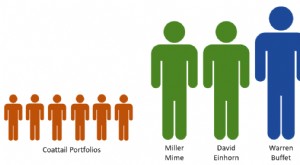
Coattail Investing: How to Follow Successful Investors
Coattail investing refers to an investment strategy where an investor replicates the investment style of well-known successful investors. Individual investors use information published on the Securiti
-

Socially Responsible Investing (SRI): A 6-Step Guide to Ethical Investing
If you want to make a difference, one of the easiest ways is to donate money. However, doing good for a cause can also mean doing good for yourself and your future. That win-win scenario has histor
invest
- Socially Responsible Investing (SRI): A Comprehensive Guide
- Avoiding Common Pitfalls in Socially Responsible Investing
- Socially Responsible Investing: Understanding Asset Allocation
- Socially Responsible Investing (SRI): 5 Key Principles for Impact & Profit
- Socially Responsible Investing (SRI): Grow Wealth & Support Good Causes
- Socially Responsible Investing (SRI): Aligning Finance with Values
- Socially Responsible Investing (SRI): Build a Portfolio That Aligns with Your Values
- Socially Responsible Investing (SRI): A Comprehensive Guide
- Sustainable Investing: Your Guide to Socially Responsible Investing (SRI)
-
 Value Investing: A Comprehensive Guide to Finding Undervalued Investments
Value investing, as the name suggests, consists of finding investments that are good value for money. A value investor actively seeks out stocks, bonds or other investments that he or she believes hav...
-
 Investing Explained: A Comprehensive Guide for Beginners
When you think about investing as a whole, what comes to your mind? Some popular answers could include stocks, bonds, mutual funds, real estate, or even a small business. Or, maybe other things came t...