
Federal Government Shutdown Ends: Key Policy Shifts and Fed Leadership Change
On Monday, Congress passed a three-week spending bill to end the government shutdown that kicked off late last week. Immigration debate was a central topic between Democrats and Republicans, and the next three weeks will likely see continued debate on this front.
Jerome Powell, who has been a member of the Federal Reserve Board of Governors since 2012, was confirmed as Janet Yellen’s successor as chairman of the Fed. Yellen’s term ends Feb. 3. It is widely expected that Powell will maintain the economic strategy that Yellen has been operating under during her four-year tenure.
The U.S. dollar has continued to weaken relative to many foreign currencies in 2018, providing a boost to any international stock holdings held by investors. Netflix reported a strong quarter, based on stronger-than-expected subscriber growth, particularly abroad. The stock price rose significantly on the back of this news.
Weekly Returns:
S&P 500: 2,872.87 (+2.22%)
FTSE All-World ex-US: 58.89 (1.9%)
US 10 Year Treasury Yield: 2.66% (+.0%)
Gold: $1,350.32 (+1.3%)
EUR/USD: $1.2427 (+1.6%)
Major Events:
- Monday – U.S. government passes bill to avoid shutdown for three weeks.
- Tuesday – Jerome Powell confirmed as Federal Reserve Chairman.
- Wednesday – Treasury Secretary Steve Mnuchin comments that a “weaker dollar[U.S.] is good for trade” at the World Economic Forum in Davos, Switzerland.
- Thursday – The WSJ reported that airlines are facing an uphill battle this year as fuel prices and other costs are expected to provide a headwind for company profits.
- Friday – The U.S. Commerce Department reported that U.S. Gross Domestic Product(GDP) rose by an estimated 2.6% (annualized) in the fourth quarter of 2017. A revised estimate will be released on Feb. 28.
Our Take:
With only three weeks until a new federal government budgetary crisis, Democrats and Republicans will have a short span to work through their differences without providing further interruption in services to taxpayers.
As we continue into 2018, it will be interesting to see how the federal tax overhaul impacts companies small and large across the United States. As we’ve said before, a bull market doesn’t die of just old age, and the tax overhaul could lend a hand to continued gains in the U.S. markets. There is also interest in whether the new Fed chairman will deviate from the path that Yellen has been following for the past four years. The long-term impacts of the Fed’s policies over the past decade remain unknown, and as such, we strongly believe investors should maintain a disciplined, diversified approach as a core aspect of the investment strategy.
-

Understanding Economic Deficits: Causes & Effects
The literal meaning of the word deficit is a loss or shortfall. In terms of finance, deficit refers to a shortfall of certain economic resources, mostly money. An individual runs a deficit if they spe
-

Trump's Impact on Financial Markets: 5 Key Charts to Watch
Whether it was tanking the Mexican Peso or boosting the price of gold, the often acrimonious and sometimes downright bizarre 2016 election has already left its mark on the financial markets over the
invest
- Government Benefits After Separation: What You Need to Know
- SF-50 Form: How to Obtain and Understand Your Federal Personnel Action Form
- Buying Government Land: A Comprehensive Guide
- Impact Investing: Generate Returns & Positive Change
- Government Shutdown & Economic Impact: Understanding the Effects
- Impact Investing: A Comprehensive Overview of ESG Strategies
- Government Incentives for Eco-Friendly Living: 11 Ways to Save Money
- Cryptocurrencies & the IT Industry: Transforming the Future
- Navigating Regulations in the Oil & Gas Drilling Industry
-
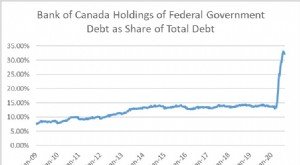 Canada's Throne Speech: Navigating the Deficit and Economic Priorities
By all accounts, the federal government is planning a bold and ambitious agenda when it unveils its speech from the throne in Ottawa later this month. For som...
-
 Operating Leverage: Understanding Its Impact on Business Performance
Return on equity, free cash flow (FCF) and price-to-earnings ratios are a few of the common methods used for gauging a companys well-being and risk level for investors. One measure that doesnt get e...