
Understanding Dividend Decisions: Why Some Companies Don't Pay Dividends
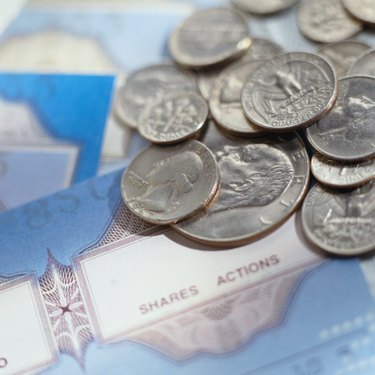
Many investors look at dividends as an important part of an overall investment strategy, and they absolutely should. Stocks that pay dividends put income into the investor's pocket, and many established companies raise the dividend each year. Some companies, however, do not pay dividends, and what follows are some common reasons why:
Not Profitable
Dividends, by definition, are paid out of the profits of the company. If a company is just breaking even or losing money, paying dividends might put it at risk of failing.
Cash-Flow Restrictions
Even if a company is generating a big profit, it may lack cash to pay dividends. A lot of the cash the company has may be reserves for big capital expenditures, paying down debt, or a big lawsuit settlement. Some companies borrow funds to pay dividends, but that is not a sustainable practice.
Contractual or Regulatory Reasons
Some companies are forced to cease dividend payments due to lender or even government entanglements. Banks, for example, cannot pay dividends if they are losing money. A big lender may not loan a company money unless dividend payments are reduced or eliminated, as the lender wants to be sure the company can first pay back the loan. Under the Troubled Asset Relief Program, or TARP, for instance, such restrictions on dividend payments were imposed on banks that borrowed from the government.
Preference to Retain Earnings for Growth
When the company pays dividends to shareholders, there is less in the company's coffers to grow the business. If management feels it can better use the cash to invest in new business opportunities to grow the company, it will be hesitant to pay out profits to shareholders.
Tax Reasons
Dividends are taxable income events for the investors. Companies that pay dividends have already paid taxes on the income at a corporate level, and once the dividends are paid out to shareholders, the government takes another cut. This is particularly a concern in companies where dividends have never been paid and there would be a significant tax liability for larger shareholders.
-
Beyond Science: Evaluating Advice and Finding What Works for You
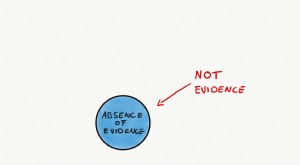
There’s a lot of “science-backed-advice” in books, articles, newspapers, and other places we get our advice from. Honestly, I also regularly refer to scientific studies.My goal for writing artic
-

Is Freelancing Right for You? 3 Reasons to Consider Alternatives
Freelancing certainly seems like one of the top options to start a home-based business when sites like Upwork claim that freelancing will become the workforce majority within a decade.As a seasoned fr
investing
- Monthly Income from CDs: What You Need to Know
- Understanding Dividends on Cash Flow Statements: A Guide
- Understanding Why R&D Expenses Are Expensed, Not Capitalized
- Index Fund Dividends: What You Need to Know
- Mutual Fund Dividends: Frequency, Types & Tax Implications
- Understanding Why Companies Issue Stock: Funding & Growth Strategies
- Penny Stocks & Dividends: What Investors Need to Know
- Understanding Dividend Payments: Why Some Companies Don't Pay
- Understanding EBITDA: Benefits, Limitations & How to Use It
-
Understanding Private Equity Dividends: A Comprehensive Guide
Private equity is a type of investment capital, where a firm, or group of high-net-worth individuals, invest in a company in return for an equity stake. This allows them to own part of the company a...
-
Investing in IPOs: Benefits, Risks, and How to Participate
There is a lot of excitement in the investor community around an Initial Public Offering or IPO. IPOs are attractive for investors owing to the underlying belief of buy low and sell high. It is a comm...