
Interest-Bearing Accounts: What You Need to Know
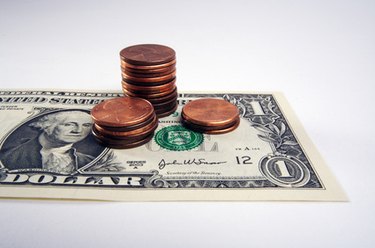
An interest bearing account is an account at a bank or credit union that earns interest over a specified amount of time. The interest is paid to the account based on the account balance. Some banks have specified rules including an account balance requirement as to when they will pay interest to the account. In some cases there can also be a lowered interest rate or additional fees if the minimum account balance is not met.
Benefits
The benefit of an interest bearing account is that a business or consumer can earn money for keeping money deposited in the bank. In cases where the interest earned is at a higher rate, the interest can add a good portion to the account balance over the course of a few years. The interest earned can be used as extra income by the business or consumer to pay for emergencies and unforseen costs.
Reasons
There are many reasons why people open interest bearing accounts. A parent may choose to open an interest bearing account as a college savings account. In this case if the parent continues to add money over an 18-year period, thousands can be added to the balance as a result of the interest paid. A young couple can choose to open the account to save a down payment for their first home loan. In other cases a consumer may want to improve financial management and save money with added benefits.
Potential
Interest bearing accounts have the potential to be a good investment for some consumers and businesses. For a consumer the account can be used for extra income for the account holder. For example if the account holder wants some extra money, but does not want to withdraw from savings, he can choose to withdraw the interest earned. According to bankaholic.com, a rate comparison site, the average rate of interest earned on an interest bearing account can start as low as .5 percent to almost 4 percent. There is no set amount required to make withdrawals from an interest bearing account. In order to start earning interest many of the banks do require a minimum deposit of $500. This minimum balance is also required so the account holder can avoid fees.
Time Frame
A consumer can choose between different types of interest-bearing accounts. Some of the accounts have a set time when interest is paid (monthly, every six months, quarterly or annually) while other interest-bearing accounts allow the customer to choose the time when the account interest is paid. Among the customer's choices are interest payments on a monthly, quarterly or annual basis.
Expert Insight
The U.S. Department of Treasury suggests collecting the money on an interest bearing account if the consumer plans to close the account. If a consumer does not collect all the interest before the interest earning period is due the payments are typically not made to the consumer. The bank will typically retain the unpaid interest.
-

Dividends vs. Interest: Understanding Investment Income
Dividends and interest are the two major types of income investors can receive. The distinction between dividends and interest is determined by what type or classification of investment pays the incom
-

CDs vs. Savings Accounts: Which Offers Higher Interest in 2024?
When the Federal Reserve cut the Fed Funds rate in 2020, it was great news for mortgage and loan interest rates, but not so great news for savings rates. Because savings rates are also t
investing
- Calculate Lost Interest: A Simple Guide
- Understanding Interest-Bearing Trusts: How They Work & Benefits
- Understanding Debit Interest: What It Is & How It Works
- Interest Earned Calculator: Understand & Calculate Your Returns
- Understanding Interest-Bearing Accounts: A Comprehensive Guide
- Is Savings Account Interest Tax Deductible?
- Understanding Bank Interest: How Banks Profit & Why You Do Too
- Savings Account Taxes: What You Need to Know
- Checking Account Interest: What You Need to Know
-
 Tax Implications of Savings Account Interest: What You Need to Know
Earned money from your savings? Here...
-
 Savings Account Interest Rates: Are They Worth It in 2024?
Kids, gather round, because an old man wants to tell you a story of the glory days. It was 2007, and you could put your money in a savings account earning an annual interest rate of 5 percent. It’s t...