
Transferring Ownership of EE Savings Bonds: A Step-by-Step Guide

Savings bonds issued after June 2003 have a term of 20 years, and there's no law preventing you from selling or buying bonds after they are issued, so the U.S. Treasury has forms to reissue the bonds with the new owner's name on them. You can obtain the necessary form to change the ownership from the U.S. Treasury's website.
Specific Forms
Which form you use depends on whether the original owner died, you're moving the savings bond to a personal trust or it's simply a new owner. If the old owner died, use Form PD F 4000 if the new owner is named on the bond or Form PD F 5336 if there's no new owner named. If you're moving the bonds to a personal trust, use Form PD F 1851. If you're simply changing the owner, such as if you bought the bond from another owner or received it as a gift, use Form PD F 4000.
-

Transferring AT&T Account Ownership: A Step-by-Step Guide
AT&T allows you the ability to transfer your account if there is another person who is willing to take over the remainder of your phone contract. The Transfer of Billing Responsibility requires th
-
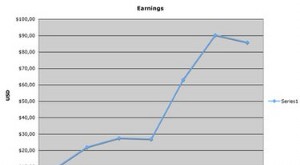
Understanding and Calculating Year-to-Date (YTD) Change
Calculating the YTD change can help you determine the rate of growth. A year-to-date figure (YTD) details the total percentage change from January 1 until a date later in the year. A calendar
investing
- Locate Your Savings Bonds: A Step-by-Step Guide
- Locate a Lost Savings Bond: A Comprehensive Guide
- Understanding Savings Bonds: A Safe Investment Option
- Cashing in Savings Bonds: A Comprehensive Guide for EE & I Bonds
- Locate Lost Savings Bonds: A Comprehensive Guide
- Cashing in Savings Bonds: A Comprehensive Guide
- Understanding Savings Bonds: A Comprehensive Guide
- Understanding Savings Bonds: A Comprehensive Guide
- Understanding U.S. Savings Bonds: A Secure Investment
-
Understanding and Purchasing U.S. Savings Bonds: A Comprehensive Guide
How to Buy War Bonds. War bonds began with the Liberty Bond to help fund World War I, and Series E Savings Bonds helped the effort during World War II. Series E bonds continued after the war but event...
-
Buy Bonds Directly: A Guide to Purchasing Bonds Without a Broker
How to Buy Bonds Without a Broker. Bonds are debt securities on which the issuer pays interest over a certain amount of time to buyers. Although many people use a broker for this process, it can be ea...