
Understanding Embedded Options in Preferred Stock: A Comprehensive Guide
There are a number of reasons why investors buy preferred stock. For instance, preferreds are sometimes used to speculate on interest rates because of their relatively high sensitivity to rate changes. Many investors employ preferreds to generate a steady income. Still others use them to make option plays. Preferreds can contain several different types of embedded options (options that are part of and inseparable from the structure of another security instrument). Some embedded options benefit the investor, while others benefit the bond issuer. Some common embedded options of preferred stock are discussed below.
Call option - Stock equity is normally perpetual, which means that it has no set maturity date. Most companies that issue preferred stock want to have at least some control over its maturity so that they can either refinance the preferred with a new issue that pays a lower dividend rate if interest rates should decline, or simply retire the preferred if the funds are no longer needed.
Investors favor preferreds that have a long period of call protection, while issuers prefer short periods of call protection. Investors are compensated for short periods of call protection with higher dividend payments. Preferreds whose only embedded option is a call option are known as straight preferreds.
Cumulative option - If a preferred stock is cumulative, any unpaid dividends accrue against the preferred in the event that the company is unable to meet its preferred dividend payments. This means that before common shareholders can again receive dividends and managers receive bonuses, all of the overdue dividends must be paid to the preferred stockholders. If the stock is not cumulative, however, any dividend payments that are missed are simply forgone.
Participating option - With a participating option, in the event that the issuing company has a very good year, the preferred shareholders will also participate in the company's financial windfall - typically by receiving an extra dividend payment. The determinants of what constitutes "a very good year" are detailed in the prospectus of each issue.
Voting rights option - Generally barred from the right to vote for members of a company's board of directors, preferred shareholders that have this option are granted voting privileges if and only if the issuer is behind on its dividend payments. The preferred holders get these voting rights in order to protect their interests. Sometimes they're granted enough votes to effectively seize control of the company - but again, only if a dividend payment is missed. The details of any voting right options are also found in the issue's prospectus.
Convertible option - Many preferred issues offer investors the right to convert their preferred stock into a fixed number of shares of the company's common stock. This gives investors the opportunity to participate to some degree in the appreciation of the company's common shares. The trade-off is that convertible preferreds offer a lower dividend yield. The difference in yield is what pays for the option.
Exchangeable option - Some preferreds provide the issuer the right to exchange the preferred stock for a more senior debt issue. For example, a company with a large tax loss carry forward might elect to issue preferred stock because issuing equity instead of debt would strengthen the company's balance sheet. Additionally, the company can't make use of the interest expense deduction - one of the primary benefits of issuing debt securities - due to its current tax situation.
-

Binary Options Trading in the U.S.: A Comprehensive Guide
Binary options are financial options that come with one of two payoff options: a fixed amount or nothing at all. Thats why theyre called binary options—because there is no other settlement possible.
-
Understanding Timer Call Options: Fixed Volatility Explained
A timer call option is a rare and infrequently used model in which volatility is fixed instead of implied in an options contract. Typically, the implied volatility of a security is used to gener
Option
- Stock vs. Stock Options: Understanding the Key Differences
- Understanding European Options: Definition & Key Features
- Understanding Stock Options: A Beginner's Guide to Puts & Calls
- American Options: Understanding Early Exercise & Investor Flexibility
- Index Options: Understanding and Trading S&P 500 & Other Indices
- Embedded Options: Understanding Rights and Future Actions in Financial Securities
- Understanding FLEX Options: Flexible Exchange-Traded Options Explained
- American vs. European Options: Key Differences Explained
- Understanding Exotic Options: A Comprehensive Guide
-
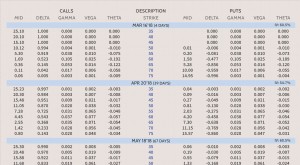 Understanding Options Pricing: A Guide to Greeks
Trying to predict what will happen to the price of a single option or a position involving multiple options as the market changes can be a difficult undertaking. Because the option price does not al...
-
Understanding Exotic Options: A Comprehensive Guide
Exotic options provide many opportunities for those who wish to dabble in the speculative world of options. An option gives you the right to buy or sell an asset at or before a specific poi...