
Spring Spending: Protect Your Finances with Simple Strategies

(Image credit: Getty Images)
The weather is warming up and so is Americans' urge to spend. And while spring doesn't revolve around major shopping events in the same way as other seasons, that doesn't mean we aren't finding ways to part with our money.
According to a report from Inmar Intelligence, 58% of Americans say convenient shopping matters more in the spring, and 95% say coupons and discounts are critical to making spring spending a possibility.
Meanwhile, just 53% of Americans say they're currently following a budget, according to a YouGov report.
From just $107.88 $24.99 for Kiplinger Personal Finance
Become a smarter, better informed investor. Subscribe from just $107.88 $24.99, plus get up to 4 Special Issues
CLICK FOR FREE ISSUE
Sign up for Kiplinger’s Free Newsletters
Profit and prosper with the best of expert advice on investing, taxes, retirement, personal finance and more - straight to your e-mail.
Profit and prosper with the best of expert advice - straight to your e-mail.
These factors combined can make it much easier for spending habits to shift without even realizing it.
Why spring can derail your finances
For most of us, the beginning of the year is an opportunity to reevaluate spending. Around the holidays, people tend to spend more on gifts, meals, parties or traveling. Sometimes those expenses are planned for and other times they're not.
Regardless of the reason, the holidays often bring an increase to credit card balances or a dip in savings. If budgets aren't adjusted accordingly, carrying that financial strain into the new year is almost guaranteed.
At the same time, many people rely on automatic bill pay for monthly payments. Although it's convenient, auto-payments can lead to an 'out of sight, out of mind' attitude. Eventually, spending becomes less intentional and you become less aware.
Then comes spring. Many of us, especially those of us living in colder climates, are coming out of winter fatigue with a renewed sense of energy. Suddenly, we're making plans to spruce up the yard, update wardrobes or buy exercise equipment or gym memberships to become more active.
These activities don't feel like overspending in the moment, but if they're not being tracked, they can add up fast.
Instead of having a plan for spending, purchasing decisions become more reactive. The good news is getting back on track is possible. It just requires intentionality and discipline.
Low-effort ways to reset
Trying to make too many changes at once is often where people become overwhelmed, discouraged and derailed. Setting up an automatic transfer to savings from each paycheck is a great first step to long-term progress.
Connecting accounts to budgeting tools is another low-effort move toward getting spending back on track. Budgeting apps can be downloaded directly to your smartphone or tablet and can be set up to automatically track purchases for you. This is a simple, low-effort way to get a better understanding of where your money is actually going.
Spending habits don't change overnight. They tend to shift gradually as routines change and attention to spending fades.
Fortunately, a financial reset doesn't require a complete redo. Often, it comes down to consistently tracking spending and making small adjustments as needed.
Cynthia Pruemm is an investment advisory representative of and provides advisory services through CoreCap Advisors, LLC. SIS Financial Group and CoreCap Advisors are separate and unaffiliated entities.
Related Content
- The 50-30-20 Budget Rule: A Simple Way to Save Money
- Household Budget Worksheet
- Financial Hangover Got You Down? Rebalance Your Budget
- Jet Set on a Budget: Expert Advice for Summer Travel
- Fall Is Tax Time? Yes! Act Now to Make Needed Adjustments
This article was written by and presents the views of our contributing adviser, not the Kiplinger editorial staff. You can check adviser records with the SEC or with FINRA.
-
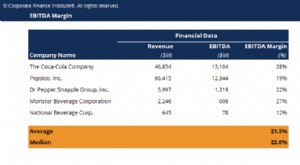
EBITDA Margin: Definition, Calculation & Importance
EBITDA margin is a profitability ratio that measures how much in earnings a company is generating before interest, taxes, depreciation, and amortization, as a percentage of revenue. EBITDA Margin = EB
-

US Foreign Aid by Country: A Comprehensive Overview (2024)
US foreign aid per country is huge! Did you know that the current US foreign aid system was established in 1961? To help you fully grasp the magnitude, we prepared an info
Public investment fund
- Understanding SEBI's New Mutual Fund Categories: A Comprehensive Guide
- Energy Stocks: A Decade of Underperformance & Future Outlook
- 2019 Mutual Fund Rankings: Performance Analysis & Market Outlook
- Navigating the 2020 Market: Investment Strategies & Outlook
- Navigating Market Downturns: Key Lessons for Investors
- Oakmark International (OAKIX): Long-Term Performance in Foreign Markets
- Dodge & Cox Stock Fund (DODGX): Overview & Analysis
- Understanding the Difference Between Your Investment Returns and Fund Performance
- SBI Bandhan SWP: Secure Your Family's Financial Future
-
 Understanding Stock Market Volatility & Its Impact on Investments
When the economy reopened after the pandemic, the stock market rebounded with a period of sustained growth. But industry experts now caution that concerns about inflation and a new COVID-19 variant...
-
 Understanding Credit/Debit Card Declines: Reasons & Solutions
Sometimes, cards are declined due to system malfunction. The merchant should tell you if that occurs. When you make a purchase with your credit or debit card or you attempt to withdraw money ...