
Maximize Savings: 3 Best Places to Earn More with Low Interest Rates
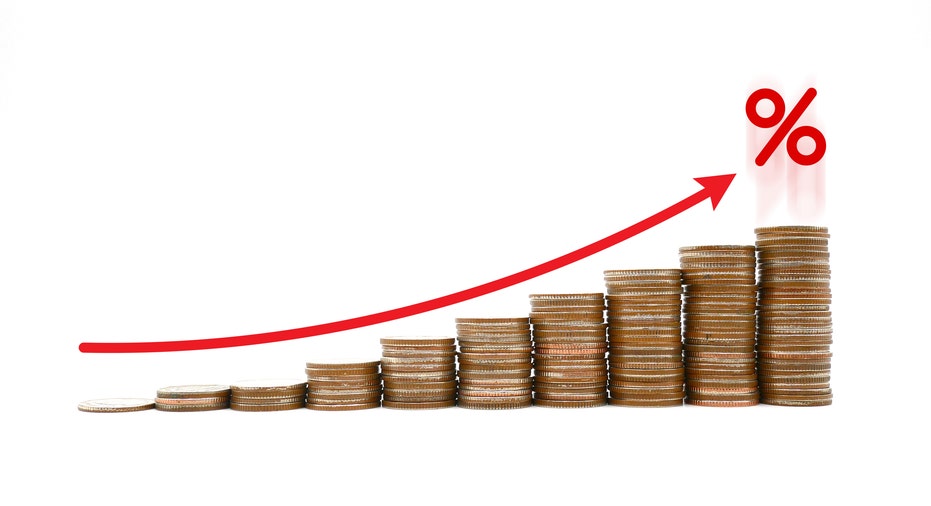
With interest rates in decline, where can a saver go to pad their portfolio? These three landing spots make the grade. (iStock)
Coronavirus has forced the U.S. Federal Reserve to cut interest rates twice in 2020, the second time (on March 15) bringing the benchmark federal funds rate down to a range of 0 to 0.25 percent.
The Fed cuts rates — which, in turn, led mortgage rates, refinance rates and beyond to reach all-time lows — to spark more lending and credit through a now weakened U.S. economy. On the downside, though, Main Street bank savers are scrambling to find more robust rates on traditional rate-return financial tools like bank accounts and U.S. Treasury bonds after the rate drop amid the coronavirus pandemic.
That scramble hasn’t been easy, financial experts say.
“The flip side of low-interest rates means that lending tools such as money market accounts, certificates of deposits and bonds have low-interest rates, too,” said Ryan Moore, founder and CEO of Kingman Financial Group, in San Antonio, Texas. “Storing money in these types of instruments currently won't provide the same opportunity and rewards that have been seen in days past. Some may even be detrimental if rates increase in the future.”
That said, Moore is optimistic that traditional savers can find some upside in record low-interest rates. “Don't let it discourage you,” he said. “Instead let it provide the inspiration to examine alternatives and opportunities to grow.”
The path forward for savers in a low-rate environment requires some patience, discipline and a dash of creativity. If you're financially stable, here are three things you should do that can help save money, earn more toward savings and get out of debt.
1. Pay down debt at lower rates
The coronavirus pandemic has allowed U.S. interest rates to hit a record low, providing opportunity as well as some incentives to change a financial consumer’s existing habits.
“With interest rates so low, borrowing money is the cheapest it has been in a long while,” Moore said. “It’s a great opportunity to save money on existing debt, mortgages and business loans.”
If you already have a mortgage, for example, you may want to consider refinancing while rates are at a record low. To see how much you could save on your monthly mortgage payment, compare rates using Credible's free online tool. Within minutes, you can see what multiple mortgage lenders are offering.
If you have student loans, it's also a good idea to consider a refinance (particularly if you have private loans -- as the rate cut doesn't affect federal student loans). The rates and repayment terms of student loans vary depending on lenders. Credible uses your loan balance and estimated credit score show you your potential savings.
It's also wise to crunch the numbers into a student loan refinancing calculator as you work on financial planning.
According to Moore, savers can also take advantage of low-interest rates by moving outstanding debt (like credit card debt) and replacing it with a much lower interest rate.
“However, it's important to be aware of closing cost that may offset any advantages,” he said. “Shop around banks, credit unions, mortgage companies, not only in your area but nationwide, to ensure you receive the best rates possible.”
2. Get creative with bank savings rates
Look into a money market account, which historically generates higher rate returns than bank savings or checking accounts.
“A money market account is fairly similar to a savings account, with some extra characteristics,” said Anna Barker, personal finance expert and founder of the LogicalDollar personal financial website. “In particular, they usually require a higher minimum deposit or balance to be maintained.”
However, they also generally offer higher interest rates than a standard savings account. “That makes them a good option for someone looking to earn more from their savings,” Barker said.
Take a closer look at online savings accounts, as well, Barker said. “If you're not currently using an online savings account, online savings accounts are a good idea. By and large, they have interest rates that are slightly higher than those offered by traditional banks.”
3. Ladder certificates of deposit
Done correctly creating a CD ladder can lead directly to more robust savings rates.
“A certificate of deposit - or CD - allows customers to have access to higher interest rates for a certain period of time, on the condition that they not touch the deposit during that period,” Barker said. “Otherwise, you have to pay an early withdrawal penalty.”
The main benefit of a CD, especially during periods such as these where there's a chance another rate cut could happen, is that the interest rate is locked in for the entire term. Consequently, laddering CDs can be a good strategy for savvy savers.
“With a laddering approach you buy various CDs with different maturity rates,” Barker noted. “For example, say you put your money into three CDs with intervals of one, two and three years. At the end of the first year, the money in that CD will become available for you to either spend or put back into your savings.”
A laddering strategy frees up savings at the end of each interval, which provides some flexibility to CD investors, too.
“You might need the money, depending on your financial goals and when you want to use the cash,” she added. “At the same time, it lets you take advantage of the potentially higher interest rates that the CD offers.”
The takeaway on finding good savings rates
One last point. The more financial consumers shop around for higher savings rates on different investment vehicles, the stronger their odds of digging up some great rate deals.
Credible is a great resource when it comes to comparing multiple lenders to ensure you'll meet your financial goals. Their tools enable savers to instantly and accurately compare various savings rates, completely free of charge.
By comparing rates and deploying creative strategies like leveraging lower rates to reduce debt and build a CD ladder to optimize bank savings rates, savers can better manage their money and find strong savings rates — even in a downward spiraling economy.
-

Negative Interest Rates Explained: Impact & Implications
You might have heard the term 'negative interest rates', but what do they actually mean? And how do negative interest rates affect the economy? Here's everything you need to know about
-

Creative Money-Saving Challenges: Fun Ways to Boost Your Savings
Most of us have heard of the 10% rule regarding saving money, but youre more likely to stick with something if you make it fun. Finding crazy things to do along with mon
Savings
- Understanding the Advantages of Low Interest Rates
- Negative Impacts of Low Interest Rates: Economic Risks & Investment Implications
- Maximize Savings: Strategies for Low-Interest Rate Environments
- High-Yield Savings Accounts: Earn More Interest on Your Savings
- Maximize Your Savings: 8 Strategies to Outperform Low Interest Rates
- Highest Interest Rates: Banks Offering Above-Average Savings & CD Yields
- Understanding Low Savings Account Interest Rates: Reasons & What to Expect
- Understanding Interest Rates: A Simple Explanation
- Attract Dates: How Financial Habits Boost Your Appeal
-
 Negative Interest Rates: Explained | Causes, Effects & History
There are two types of interest rates: real and nominal. Just as the name suggests, negative interest rates are interest rates that fall below zero. Although rare, the concept dates back to t...
-
 Negative Interest Rates Explained: How They Work & Impact
Negative interest rates are used by central banks to increase borrowing in times of economic recession. By offering a negative interest rate, the central bankFederal Reserve (The Fed)The Federal Reser...