
EFT vs. Debit Card: Understanding the Key Differences
Electronic funds transfers and debit cards may seem similar, but are actually very different. In fact, their only real similarity lies in that each is a cashless electronic payment system. Each has its own advantages and disadvantages, and each has its own best use.
Transactional Differences
A main difference is an EFT could be either a wire transfer or an Automated Clearing House transaction, while a debit card refers only to a direct debt transaction. Wire transfers are electronic transfers that take place between one bank and another, or between commercial wire-transfer companies such as Western Union or MoneyGram. An ACH transaction is a paper check alternative. Finally, a debit card is a way to transfer funds, usually in real-time, from a bank account to a merchant or an automated teller machine.
Wire Transfer Characteristics
Bank-to-bank and commercial wire transfers are common for single, time-sensitive payments. In both cases, funds are sent to the receiving party using a secure online system. High dollar and international wire transfers must comply with record-keeping and reporting regulations outlined in the Patriot Act of 2001. That act was put in place to prevent money laundering and to stop people from funding terrorist activities.
ACH Transactions
ACH transactions are common for business purposes such as direct deposit payroll, government benefits and personal online bill payments. Unlike with a wire transfer or a debit card, where each transaction is processed individually, ACH handling takes place in large batches in regular, predetermined intervals. Batched transactions are sent to either the Federal Reserve or a secure clearinghouse. After sorting, individual transactions go to the receiver's bank, which debits or credits the person's bank account.
Debit Cards
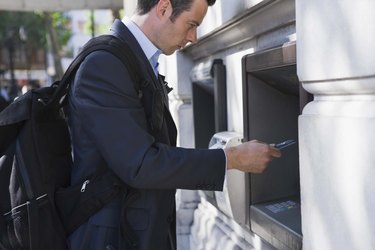
Debit card transactions skip an intermediary and link directly to a bank or financial institution. Most transactions deduct payments in real time. For example, if you swipe a debit card at a retail store, the merchant service verifies with your financial institution that the funds are available and approves or denies the transaction. A similar process at an ATM allows you to withdraw cash or deposit money into an account.
-
PayPal Debit Card: How to Apply & Use Your Card
In addition to using your PayPal account online, you can get a PayPal Debit MasterCard that can be used anywhere MasterCard is accepted. It can also be used at ATMs to withdraw cash from your account.
-
Reversing Debit Card Transactions: A Comprehensive Guide
Can a Debit Card Transaction Be Reversed? Whether you're a merchant or a customer, trying to reverse charges on a debit card is a hassle. There aren't many reasons why someone might w
budgeting
- Debit Card Hotlisting: What It Is & How to Protect Yourself
- Debit Card Restrictions: Why They Happen & How to Resolve Them
- Reverse Debit Card Purchase: Understanding and Resolving Unauthorized Charges
- Activate Your PayPal Debit Card: A Quick & Easy Guide
- Debit Card Preauthorization: What You Need to Know
- Track Your Debit Card Purchases: A Comprehensive Guide
- SunTrust Debit Card Activation: 5 Easy Methods
- Understanding Debit Card CVV: Security Codes Explained
- Debit Cards Explained: A Comprehensive Guide for Beginners
-
 Debit Card Fraud: How to Dispute Unauthorized Charges & Cancel Your Card
Debit card theft is a frustrating ordeal that may leave you in debt. Debit cards offer much less protection from liability than credit cards, which means it may be more difficult for you to r...
-
 Protect Yourself: Understanding Unauthorized Debit Transactions & Recovery
Unauthorized debit transactions can be more dangerous than credit card transactions. Debit card transactions clear instantly, unlike credit card transactions, which can take several days to clear. Her...