
Understanding and Obtaining Your Pay Stub: A Comprehensive Guide
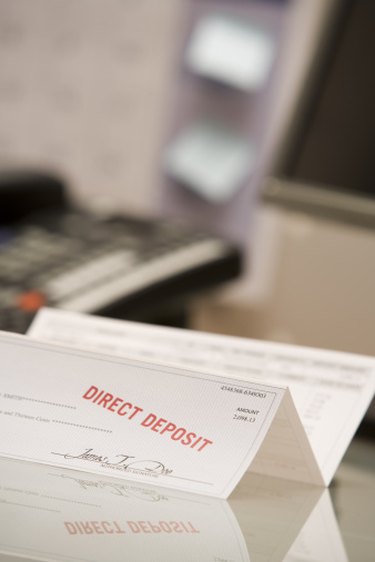
The Fair Labor Standards Act, which set the federal minimum wage, overtime, recordkeeping and child labor regulations, does not require your employer to give you a paycheck stub. However, most states require employers to give employees a check stub. If you no longer work for a company and are entitled to a pay stub by law, your employer is required to provide it. If you have not received your final pay stub, you can take certain steps to obtain the document.
Step 1
Contact your state labor department for its pay stub rules. Many employers give employees a pay stub regardless of whether the state requires it. If your employer gave you a check stub each time you were paid but was not mandated to, the company does not have to give you your last check stub unless it is required by state law. If you have a labor union that negotiated a pay stub with your employer for you and other employees, contact the union for assistance.
Step 2
Contact the U.S. Department of Labor, Wage and Hour Division if your employer refuses to give your last check stub as required. Specific federal laws may be in place to ensure workers receive a pay stub. For example, under the Migrant and Seasonal Agricultural Worker Protection Act, agricultural employers are supposed to give workers a pay stub.
Step 3
Ask your employer or payroll department for a copy for your last check stub. This is the easiest way to obtain your pay stub. Even if you are not entitled to a pay stub, but need one, such as for proof of income, your employer can quickly draft up a pay stub for you. In most cases, a check stub can be a separate written document or affixed to your paycheck, as long as it includes the required information, your employer can give it to you in either format.
Step 4
File a complaint with your state labor department if you are entitled to your last check stub and your employer refuses to give you one.
Tip
State paycheck stub penalties vary. For example, if a California employer intentionally refuses to give you your pay stub and causes you to suffer damages as a result, he must pay you the greater of all damages or $50 for the first pay period violation. Thereafter, he pays $100 for each subsequent pay period that he’s in violation, up to $4,000, plus reasonable attorney fees. Further, the state can order the employer to pay you $750 for refusing your request to inspect or copy your pay stub.
-
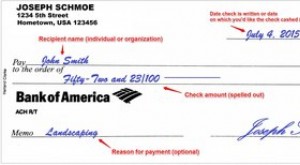
Check Writing Guide: A Step-by-Step Guide for Secure Payments
Key elements of writing a check. Properly writing a check reduces the chances of making an error and makes it difficult for someone to fraudulently alter the information. Always use an ink pe
-

Alaska Permanent Fund Dividend: Eligibility & How to Receive Your Check
Get a Dividend Payment in Alaska Nearly everyone who lives in Alaska gets a yearly check. It's reimbursement for allowing the Trans-Alaska Pipeline to flow through the state. Alaskans are
budgeting
- Access & Download Your Unemployment Benefit Pay Stubs Online
- How to Obtain a Voided Check Without a Checkbook: A Comprehensive Guide
- Access & Understand Your Pay Stubs Online | [Company/Resource Name]
- Check Stub Guide: Understanding and Completing Your Checks
- Certified Checks & Money Orders: A Comprehensive Guide
- ADP Pay Stub: Access and Download Your Recent Pay Stubs
- Certified Checks: What They Are & How to Obtain One
- Cashier's Check: What It Is & How to Obtain One
- Create Employee Pay Stubs: A Simple Guide & Templates
-
 How to Properly Sign a Check: A Step-by-Step Guide
The person writing a check must sign it in the lower right-hand corner. As the range of ways to pay for goods or services has expanded, the practice of writing a check has declined. Consumers...
-
 Your Guide to Getting a Refund: Tips & Strategies
Sometimes, after purchasing a product or a service, you find it doesn't work, it doesn't meet all of your needs or you just don't want it anymore, so you decide you want your money back. U...