
Understanding the Impact of Financial Stress on Health & Well-being
It's not surprising that financial problems cause stress. If you aren't earning enough to cover your expenses, you may be in danger of losing your home or vehicle, having your phone cut off or experience the embarrassment of having to file bankruptcy or face a lawsuit. Financial stress can contributes to poor physical and mental health for both you and your children and can affect your job performance if you allow it to preoccupy you.
Children's Health
If you have children, their physical and mental health can suffer from the family's financial stress. Parents may not have the money to provide for as many of the children's wants and may need to cut costs when providing fpr needs, such as giving children hand-me-downs instead of buying new clothes. Children may be frightened or unable to understand why their parents can't provide them with the lifestyle they are used to and may have difficulty expressing or labeling their feelings. Parents must talk to children about financial stress using age-appropriate language to reduce negative health effects.
Physical Health Effects
Financial stress can cause physical illness, especially if a person experiences high stress with little emotional support or feels stress for an extended period of time. In addition, those suffering from financial stress often cannot afford regular medical care or cannot access health care due to past unpaid bills. Thus, financial stress can also cause physical illness to get worse because of lack of access to health care.
Importance of Self-Care
If you experience financial difficulties, you must make sure to take care of your needs to reduce the stress on yourself and your children. Don't try to save money by skipping meals or doctor's appointments; you need to eat enough and take care of basic health needs to keep yourself healthy and have enough energy to work, job hunt or otherwise resolve financial problems. You must also get adequate sleep to help yourself think clearly and should not stop seeing friends or doing things you enjoy if you can afford them, as isolation will lead to depression.
Job Productivity
Employees tend to be less productive on the job when they are experiencing financial stress. They may be worried about financial problems or about the possibility of being laid off during difficult economic times and may have difficulty concentrating on their work because of preoccupation with money. In addition, if employees feel they are not being paid enough to meet their financial needs, they may feel less motivated to be productive on the job.
-
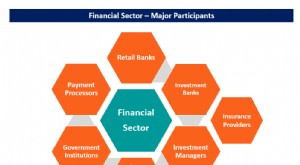
Understanding the Financial Sector: Institutions and Services
The financial sector refers to the businesses and institutions that manage money and provide intermediary services to transfer and allocate financial capital in an economy. Types of Financi
-

Understanding the Philosophy of Accounting: Principles & Concepts
The philosophy of accounting encompasses the general rules, concepts, and ideas surrounding the preparation and auditing of the accounts and financial statementsThree Financial StatementsThe three fin
budgeting
- Financial Aid: Understanding the Downsides & Alternatives
- Understanding the Wide-Ranging Effects of Unemployment
- Financial Challenges for Teens: Earning, Saving & Budgeting
- Financial Challenges for Seniors: Planning for Retirement & Avoiding Fraud
- Common Causes of Financial Problems: Understanding & Avoiding Them
- Understanding Financial Problems: Causes, Types & Solutions
- Understanding the Drawbacks of Financial Intermediaries
- Mastering Financial Management: Secure Your Future & Grow Wealth
- Understanding the Impact of US Dollar Fluctuations on the Global Economy
-
 Understanding the CAPE Ratio: A Guide to Cyclically Adjusted P/E
The CAPE Ratio (also known as the Shiller P/E or PE 10 Ratio) is an acronym for the Cyclically-Adjusted Price-to-Earnings Ratio. The ratio is calculated by dividing a company’s stock price by th...
-
 Dodd-Frank Act Explained: Impact & Key Provisions
The Dodd-Frank Act, or the Wall Street Reform and Consumer Protection Act of 2010, was enacted into law during the Obama administration as a response to the financial crisis of 2008. It was named afte...