
Understanding Ledger Balances: A Simple Explanation
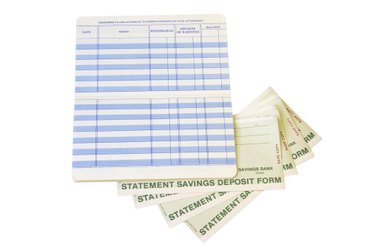
A ledger balance is the balance that denotes the total amount of money deposited into a business or personal account. An account holder gets her ledger balance by subtracting the total number of debits from the total number of credits during an accounting period.
Debits
Debits and credits must be equal in order for your account to be balanced. Debits appear on the left side of the bank statement and include expenses like rent, wages, maintenance and utilities. Debits on bank statements also consist of bank service fees and ATM charges.
Credits
Credits are on the right side of a ledger balance and bank statement. It includes any deposits, such as direct deposits, checks deposited and refunds payable to account holders.
Ledger Balance v. Available Balance
A ledger balance signifies the balance at the beginning of the day whereas available balances tells you how much money is available for withdrawal. For example, your ledger balance may be $500; however, you may only have $200 available for use.
Balancing Bank Statement
The bank statement only provides the balance to a particular date. Checks written and deposits made after this date will not appear. Account holders enter checks and deposits on designated spaces on statements. When numbers on each side equal, the account is balanced.
-

Understanding Bank Account Holds: What They Mean & How to Resolve
A woman is using her cell phone. In many cases, a "hold" on a bank account refers to the time after a check is deposited before the bank clears the funds for use. However, it might
-

PC Banking: A Comprehensive Guide to Online Banking Security & Features
PC banking refers to a person being able to access their banking information from a "personal computer." It has become a popular method for people to manage money and pay bills using online
budgeting
- Understanding Prorated Payments: Definition & Calculation
- Quarterly Billing: Advantages, Disadvantages & What You Need to Know
- Understanding Bond Forfeiture and Bond Vacated: A Legal Explanation
- Understanding a $9,000 Salary: Annual Income Explained
- Understanding Your Bank Account: Available Balance vs. Ledger Balance
- Understanding 'PC' on Your Bank Statement: Online Transactions Explained
- Understanding APY: Annual Percentage Yield Explained
- HODL Explained: The Origin and Meaning of a Bitcoin Term
- Kasasa: The Meaning Behind Our Name & Mission
-
Understanding Credit Card Cash Advance APR: What You Need to Know
The cash advance APR is the annual percentage rate of interest you have to pay for credit card cash advances. It's typically higher than the APR for ordinary purchases. If you have a credit card w...
-
Understanding the R9 Credit Score Code: What It Means & Implications
A notation of "R9" next to an account on a credit report is not actually a credit score but rather a code that indicates the payment status of that account. Payment status affects your credi...