
Cashing a Third-Party Check: What You Need to Know
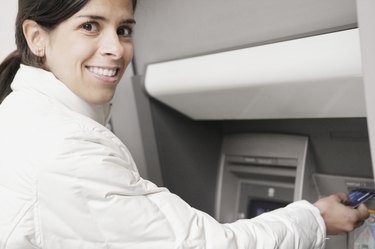
Your check is considered a third-party check if the payer wrote it to someone else who subsequently transferred it to you. These checks are not as easy to cash as regular checks, because they are susceptible to fraud. Be prepared to show identification and prove that you obtained the check legally before you can cash it.
Third-Party Check Issues
Many banks are reluctant to cash third-party checks because they cannot immediately verify that the original original payee intended for you to have it, or confirm that the payer will not dispute it. If a payee endorses a check and then misplaces it, it's easy for anyone who finds it to endorse to themselves as a third party and attempt to cash it. The bank would be liable for the money if the payee or payer disputes it. You might have a better chance of cashing the check with the issuing bank. Call and verify the bank's policies about such checks before your visit.
Cashing the Check
Take the check to a branch of the bank on which the check is drawn. Arrive with the person who is signing the check over to you. The payee must sign the back of the check above the endorsement line and write "Pay to the order of" and your name underneath. Sign under this line. Both parties must present a legal form of picture identification, such as a driver's license or state identification card. The teller will provide the cash after verifying signatures and identification. Some banks charge a fee for cashing checks if you don't have an account, but provide the service free for members. You could open an account with the money if you want to avoid the fee.
Depositing the Check
Your bank may be willing to accept the check for deposit, depending on its policies on third-party checks. Some banks that accept such checks allow customers to deposit via ATM but most do not. Instead, prepare a deposit slip and take the check to a teller. Sign it and present your identification. In many cases, depositing a third party check places a mandatory hold on all but $100 -- which is available the next day according to federal banking regulations -- for up to nine days. If the payer or payee disputes it within this time, your bank will take the money out of your account.
Check Cashing Service Provider
Some check-cashing businesses accept third-party checks. Of these businesses, some only cash personal checks, rather than government or commercial. The providers also charge a fee for the service, which varies by business and the size of the check. Present the check along with the payee. Sign it in front of the representative and show your identification in order to get the funds.
-
ATM Check Deposit: A Simple Guide for Convenient Banking
Consumers completed nearly 12 billion ATM transactions in 2008. Depositing a check at an ATM is a quick, easy and safe process. ATM deposits are useful when you don't have photo identific
-

Cashing a Cashier's Check From Another State: A Simple Guide
Man at bank teller A cashier's check is a guaranteed method of payment because it is drawn on a bank's own money. You can cash an out-of-state cashier's check the same way you wou
budgeting
- Cashing a Third-Party Cashier's Check: A Comprehensive Guide
- Cashing Checks at Walmart: A Quick & Convenient Guide
- Checks as Payment: Are They Considered Cash?
- Understanding SSI Checks: Cashing Options & Direct Deposit
- Cashing Checks at Walmart: A Complete Guide
- Cashing Large Checks: A Comprehensive Guide
- Cashing Old Checks: What to Do with Two-Year-Old Checks
- Cashing Checks: A Comprehensive Guide to Check Cashing Stores
- Cashing Personal Checks: Your Guide to Easy Options
-
 Mobile Check Deposit: A Comprehensive Guide & Lender Requirements
Banking has made dramatic changes over the past decade, thanks in part to smartphones and tablets. Instead of going to a local branch, more than one-third of consumers now rely primarily on mobile ban...
-
 Comprehensive Guide to Background Checks: A 2024 Essential
It’s the year 2021. The COVID-19 hype is slowly subsiding. Chinese rover Zhurong successfully landed on Mars. And, background checks are nothing peculiar any longer. In fa...