Protect Your Brand: Combating Amazon Counterfeit & Fraud
Between Amazon Retail and third-party Marketplace sellers, Amazon made about $120 billion in the U.S. last year.
The majority of those sales occurred through third-party sellers.
If you’re a brand executive, the idea of putting your products on Amazon is probably a little scary.
But the reality is that your products are going to get onto Amazon whether you want them to be there or not, and your competitors are already selling there anyway.
Whether it’s selling or advertising on Amazon, you have to figure out your relationship with this 800-pound gorilla so you can control your brand, be competitive, and increase sales.
Unfortunately, ignorance is not an option when it comes to dealing with Amazon.
Let’s take a closer look at the challenges Amazon creates for your business and see what steps you need to take to be successful in an ecommerce world that is dominated by Amazon.
Does Your Brand Have an Amazon Problem?
Let’s first define our terms. You can either sell your products to Amazon or on Amazon.
When you wholesale, Amazon:
- Owns the product.
- Makes the pricing decisions.
- Decides what to keep in stock.
You can also sell your products on Amazon through third-party sellers, and this is where things can get a little complicated.
Unauthorized Sellers on Amazon
There has been a lot of attention paid to all of the unauthorized sellers on Amazon—the companies that a brand isn’t affiliated with but finds ways to sell their products on Amazon.
When you lose control of your inventory and other companies have access to your product, the Amazon marketplace becomes a problematic channel.
You can’t control pricing because you don’t know who the sellers are, and if you don’t know the sellers, how do you ensure that the Amazon channel aligns with everything you do in every other channel you control?
Price Transparency and Lack of Control: The Worst Case Scenario
Regardless of whether or not you control your brand on Amazon, all of your retail partners can easily see what’s happening on the marketplace.
A lot of brands end up having awkward conversations with retailers who say:
The brand says:
Unfortunately, it doesn’t matter if you don’t know who the third-party sellers are.
Consumers don’t care who’s ultimately selling the products and retailers are just looking at the bottom line.
The moral of the story is this:
If the consumer can always get the product cheaper on Amazon, your brand has an Amazon channel problem.
Controlling Your Brand on Amazon
When I refer to a brand selling on Amazon, I’m talking about a company that has a U.S.-registered trademark.
When dealing with unauthorized third-party sellers, many brands think:
Brands often employ legal counsel to send cease and desist notices but rarely find that strategy to convince them to stop selling the product.
The Gray Market, First Sale Doctrine, and Your Business Rights
The reality is that there are a lot of very sophisticated gray-market sellers on Amazon and they don’t scare easily.
They all have legal representation, and they know how to play the game of what’s known as ‘first sale doctrine.’
First sale doctrine is a legal concept that says anybody in this country has the right to buy a product and then turn around and resell it.
These sophisticated gray-market sellers know that they have legal protection thanks to the first sale doctrine, so you have to become more sophisticated as a brand if you want to protect your ability to control distribution.
Get a Trademark to Overcome First Sale Doctrine
One important way to overcome first sale doctrine is to modify the way you enforce trademark.
You can structure your trademark so that it’s not just the name of your brand but also how the product is handled—how it gets moved from retailer to consumer.
There are about 75 different ways that trademark can be defined and enforced.
If you can show there is potentially a trademark issue, you can get a court to rule in your favor and overcome first sale doctrine as a legitimate means by which an unauthorized seller can sell your products on the Marketplace.
When you tighten up control of your trademark, you can:
- Better control distribution and not have to rely on sending those nasty cease-and-desist letters to unauthorized sellers.
- Demonstrate that the continued selling of your products without authorization actually represents a legal issue.
The resellers are illegally selling your products and can’t hide behind first sale doctrine.
Managing trademark and continuing to police it is a cost of doing business.
You have to put the right kind of online reseller policy in place, and it has to include anti-diversion language that says resellers and retailers don’t have the right to sell the product to unauthorized third parties.
Lack of Control is a Motivation Issue in Retail
The simple reality is that hardly any brands in the world have complete control of distribution.
Brands sell to retailers or distributors and their incentives do not align perfectly with the incentives of the channel.
As a brand, your goal is to sell a lot of product and protect brand equity, but the retailer or distributor only cares about selling a lot of product.
These businesses don’t have an incentive to care about the long-term value of your brand or whether you can get the premium pricing you want because of your brand’s value.
You have to figure out how to motivate your channel to do what you want to do, which is to sell your product at higher prices than a generic product.
Channel Control is a Business-Saver
While you probably can’t keep your channel 100% clean all of the time, you can put enough roadblocks in the way that most of these sophisticated gray-market sellers will decide that it’s too much of a hassle to sell your brand.
They’ll move on to some other brand that isn’t managing trademark very well.
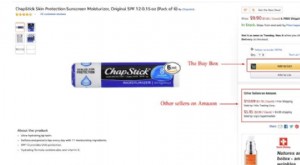
Your goal should be to keep your channel clean enough that you can either take back the Buy Box on Amazon yourself, or at least ensure that your designated reseller owns the Buy Box most of the time.
Done effectively, your pricing gets stabilized on Amazon and it’s much more consistent with your pricing on every other non-Amazon channel.
And if you have consistent pricing online and offline, it’s a lot easier to recruit more brick-and-mortar retailers to sell your product.
I’ve worked with companies who have lost their distributors because the distributors said:
Once the brand got control of what was happening on Amazon, they were able to bring back distributors who could then get their products into brick-and-mortar channels.
-

Is Amazon Prime Worth It? 3 Signs to Reconsider Your Membership
Amazon Prime isn't right for ev
-
Amazon Buy Box: A Comprehensive Guide for Sellers
There are two types of sellers on Amazon: Amazon itself, which sells a vast range of products. Third-party retailers, who typically specialize in one or more categories. Since there is no limi
Business
- Amazon Reselling Strategies: Insights from an Amazon Selling Expert
- Avoid Common Amazon Selling Mistakes: A Guide for Experienced Sellers
- Is Amazon Right for Your Business? A Comprehensive Guide for New Sellers
- Amazon Selling Strategies: A Beginner's Guide to Launching Your Business
- Amazon SEO Mastery: Rank Higher & Boost Sales in 2024
- Maximize Amazon Profits: A Guide to Earning $5,000/Hour
- Unlock Amazon Sales: Why Your Products Need an Amazon Presence
- Selling to Germany: A Comprehensive Guide to the German E-commerce Market
- Maximize Sales with Google: A Comprehensive Guide for Merchants