
The Rise of Cashless Payments: Insights from 7 Leading Brands
Technology is restructuring how money moves.
From crypto-currencies to peer-topper payments and one-click checkouts, modern innovations are shifting the basic payment infrastructure of our economy.
The gadget we carry in our pockets is becoming more than ever thought possible. And the wallet is its next target.
Adii Pienaar, Founder of Conversio and WooThemes (later acquired by WooCommerce), sums this up best:
Customers worldwide are using their mobile devices for online shopping more often.
Think about how easy Amazon makes this with their 1-Click Purchases.
From a historical standpoint, Apple Pay, was announced in 2014. But it wasn’t the first of its kind.
The Evolution of Mobile Payments:
A brief history of mobile payments, according to TechCrunch:
- 1983: David Chaum, an American cryptographer, starts work on creating digital cash by inventing “the blinding formula, which is an extension of the RSA algorithm still used in the web’s encryption.” This is the beginning of cryptocurrencies.
- 1994: Although this is disputed, some believe that the first online purchase, a pepperoni and mushroom pizza from Pizza Hut, occurs in this year.
- 1998: PayPal is founded.
- 1999: Thanks to Ericsson and Telnor Mobil, mobile phones could be used to purchase movie tickets.
- 2003: 95 million cell phone users worldwide made a purchase via their mobile device.
- 2007: Both the iPhone and the Droid operating system are released.
- 2008: Bitcoin is invented.
- 2011: Google Wallet is released.
- 2014: Apple Pay is launched, followed a year later by Android and Samsung Pay.
- 2020: 90% of smartphone users will have made a mobile payment.
At the time of Apple Pay’s release (years following Google’s own Wallet application), Apple CEO Tim Cook described the magnetic stripe card payment process as broken for its reliance on plastic cards’:
- Outdated and vulnerable magnetic interface
- Exposed numbers
- Insecure security codes
Since then, the same technology Apple uses for Apple Pay has become ubiquitous worldwide: EMV, a payment tokenization specification.
It is why your credit card has a chip in it.
Still, digital payment methods remain more secure than physical cards. They can’t be stolen, for one.
But digital payment methods like Apple Pay have another upside: emerging generations with cash flow and raised on cell phones prefer them.
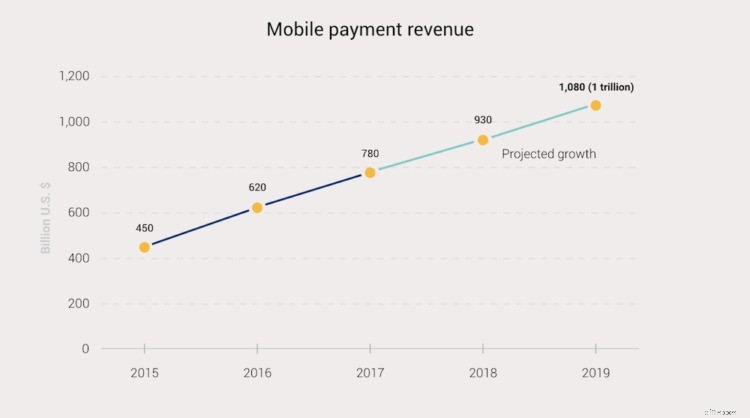
From a study conducted by The Washington Post.
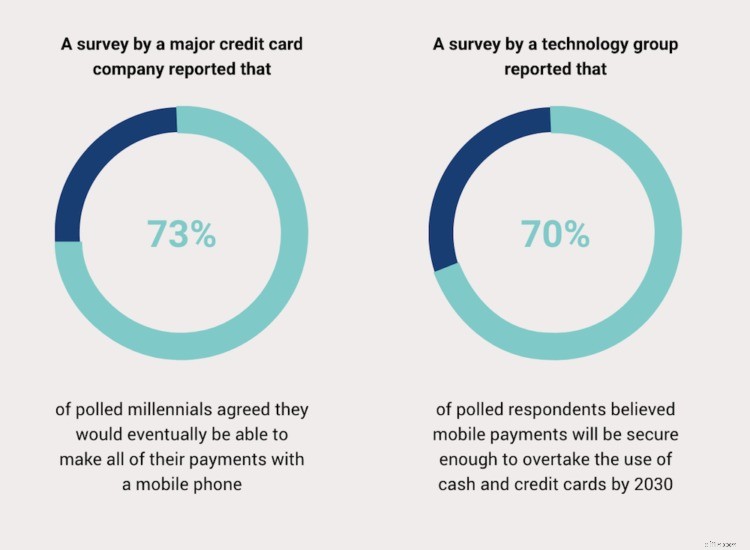
And by 2030, those surveyed expect digital wallets to be the primary source of payments.
To see how these trends are vying in 2020, I’ve interviewed 7 BigCommerce brands using the technology to understand their use case, their data and thoughts.
These two questions reigned supreme:
- Are people using Apple Pay?
- Would you recommend Apple Pay?
Here’s how their experience shook out.
-

Backdoor Roth IRA: A Comprehensive Guide for High Earners
If you want to open a Roth IRA and make too much money to do so, don’t fret. While high-income individuals are shut out from contributing directly to a Roth IRA, they can still gain entry to t
-

Bull Spread Strategy: Understanding Risks & Potential Rewards
The bull spread is a type of option strategy that is commonly used in order to maximize the movement in an underlying security. This strategy is accomplished by purchasing the lowest strike pric
Business
- Short-Term Personal Loans: Pros, Cons & What to Consider
- Personal Debt Settlement: Risks, Benefits & What to Expect
- ETFs: Risks & Benefits - A Comprehensive Guide for Investors
- Pension Plans: Benefits & Drawbacks - A Comprehensive Guide
- Credit Unions: Advantages & Disadvantages - A Comprehensive Guide
- US Treasury Yields Rise Amid Inflation Concerns & Corporate Earnings Analysis
- Subscription Ecommerce: Revenue Soars - 4,461% Growth in 5 Years
- Top 8 Facebook Ads Tools for Ecommerce Success | [Year]
- B2B Ecommerce Punchouts: Streamline Sales & Reduce Errors
-
 Savings Accounts: Benefits, Risks & How They Work
Some employers offer an automatic savings plan. Saving money allows you to prepare for large purchases, like buying a home or paying for college, but it can also come in handy in everyday cir...
-
 Navigating ASC 842 & IFRS 16: A Guide to New Lease Accounting Standards
The new lease accounting regulations will require strong accounting acumen. The new standards will require organizations that lease assets, or “lessees” to recognize the assets and liabili...