
Understanding the Right of Rescission: Loan Cancellation Explained
The Right of Rescission is a consumer's right under federal law that allows a borrower to cancel a loan within three days of signing final loan docs, if their primary residence was used to secure the loan. The federal Truth in Lending Act of 1968 provided the provision to give the borrower a cooling off period to decide if they wanted to follow through with the terms and conditions of the loan. The law does not apply to non-occupant properties. Federal law requires the lender to disclose to the borrower at signing their right under the law. The rescission period begins after the borrower signs all the loan documents.
Exercising The Right
The borrower has to notify the lender or closing agent in writing within 72 hours of signing the documents that they're exercising their right to rescind. The borrower can either sign the form received at closing or write a letter expressing their desire to rescind the mortgage. If the borrower exercises their right they are under no obligation to pay any fees associated with the rescinded mortgage. The borrower can exercise their rights from Monday to Saturday as long as it is within their 72 hour window. Sundays and federal holiday are not included in the 72 hours waiting period.
-

Hope Credit: Understanding Your Post-Secondary Education Tax Credit
The Hope Credit is one of the lifetime education tax credits in the U.S. that provides financial assistance to taxpayers or their children who are pursuing post-secondary education. The creation of th
-

Libra Cryptocurrency: A Comprehensive Overview
Libra is a cryptocurrencyCryptocurrencyCryptocurrency is a form of digital currency that is based on blockchain networking. Cryptocurrency like Bitcoin and Ethereum are becoming widely accepted. creat
debt
- Easement vs. Right of Way: Understanding the Key Differences
- Understanding Auctions: A Comprehensive Guide
- Dow 30 Explained: Understanding the Dow Jones Industrial Average
- Rule of 72: Calculate Investment Doubling Time | [Your Brand Name]
- Nexo: Crypto Lending & CeFi Explained | Secure Loans with Crypto
- Nifty 50: History, Significance & Key Stocks - A Comprehensive Guide
- Basic Attention Token (BAT): A Decentralized Advertising Revolution
- When to Sell Stocks: Identifying Optimal Exit Points
- The Motley Fool: A Deep Dive into Stock Recommendations & Value
-
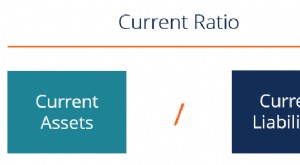 Current Ratio: Definition, Calculation & Financial Health
The current ratio, also known as the working capitalNet Working CapitalNet Working Capital (NWC) is the difference between a companys current assets (net of cash) and current liabilities (net of debt)...
-
 Understanding Forward Rates: A Comprehensive Guide
The forward rate, in simple terms, is the calculated expectation of the yield on a bondBondsBonds are fixed-income securities that are issued by corporations and governments to raise capital. The bond...